
Table of Contents
Introduction
Every century seems to bring its own financial wake-up call — a moment when the global market becomes overheated, risks build up, and eventually everything resets. History shows this pattern clearly: 1929 triggered the Great Depression, 2009 delivered the Great Rebound after the global financial crisis, and now many indicators point toward 2029 potentially becoming the next major turning point — a Great Reset for the global market.
This isn’t about doom or disaster; it’s about renewal. It’s the phase when inflated prices fall back to reality, emotions run high, and yet, patient investors quietly position themselves for the next major wealth cycle.
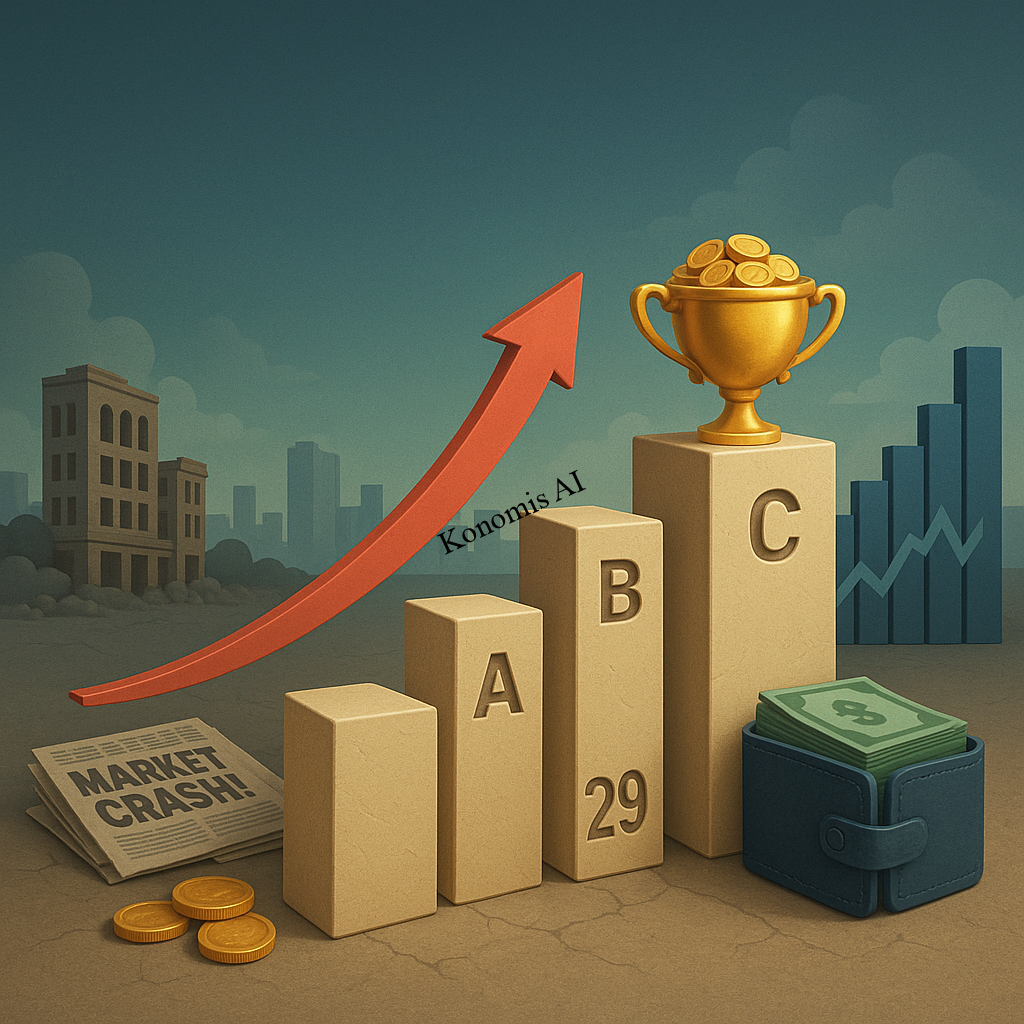
Financial experts describe this as part of a long, repeating rhythm — an 18–20-year financial wave that moves through three main stages: panic, prosperity, and accumulation. Each phase plays its role in cleansing and rebuilding the global economy.
The last major cycle began in 2019, with the pandemic acting as the panic point. Since then, markets have risen and cooled, following the natural curve. If history continues its pattern, 2029 could represent the “C Phase” — the deep accumulation stage, where disciplined and forward-looking investors plant the seeds for the next decade of growth and prosperity.
The Long Financial Cycle Explained
Financial markets don’t move randomly — they follow long, repeating rhythms driven by cycles of fear, growth, and renewal. Economists often describe this as the A–B–C market pattern, repeating roughly every 18 to 20 years.
- A Phase (Panic): A major crisis or crash hits, resetting the system and clearing financial excesses.
- B Phase (Boom): Optimism and confidence return. Credit expands, innovation flourishes, and valuations rise.
- C Phase (Correction/Accumulation): The cycle cools. Prices fall to fair value, emotions swing from greed to fear, and new opportunities begin to form quietly beneath the surface.
When we trace history, the rhythm is clear:
1929 – Panic (The Great Depression)
1945 – Boom (Post-war reconstruction)
1965 – Correction (Economic cooling and global tension)
1981 – Panic (High inflation reset)
1999 – Boom (Dot-com euphoria)
2019 – Panic (Credit and pandemic shock)
2029 – Correction/Accumulation (Predicted deep reset)
2035 – Boom (Next full global expansion)

This pattern shows that 2029 won’t mark an end — it’s a reset before renewal.
It represents the deep accumulation phase where patient investors quietly build positions before the next great expansion wave of 2035, a period expected to bring new prosperity driven by innovation, technology, and rebuilding confidence.
Why 2029 Could Mirror 1929 (But Differ Too)
History never repeats itself exactly — but it often rhymes. The situation leading up to 2029 carries echoes of 1929, when the global market collapsed under the weight of debt, speculation, and blind optimism. Back then, easy money and overconfidence fueled a massive bubble that eventually burst, triggering the Great Depression.
Today, we’re seeing similar warning signs. Global debt is at record highs, with governments, corporations, and households borrowing heavily to sustain growth. Speculation is running hot again, especially in tech and AI-driven sectors, where expectations often outpace reality. And perhaps most importantly, markets have become dependent on central banks — addicted to low interest rates and liquidity injections whenever trouble appears.
However, unlike a century ago, the world today has more tools to prevent total collapse. Modern monetary systems are flexible, and digital currencies, coordinated fiscal policies, and advanced financial mechanisms allow central banks to act quickly.
That said, the reset will still be painful. Investors should expect asset revaluations, rising defaults, and emotional panic before stability returns. The good news? It won’t be the Great Depression 2.0 — it will be a Great Reset, clearing excess and paving the way for a stronger, more balanced global economy.
The 2029 Timeline — Month-by-Month Breakdown
The journey toward the 2029 market bottom is likely to be emotional, messy, and full of confusion. Each month may bring a new wave of headlines, panic, and opportunity — testing even the most experienced investors.
In January and February, credit markets may begin to tighten as debt defaults rise and news outlets warn of a “global slowdown.” By March and April, fear could peak — margin calls, forced selling, and widespread panic may create the first real buying window for those who stay calm and think long term.
Through May and June, volatility is likely to hit its highest point as most investors give up, believing recovery is impossible. This is when smart money quietly starts accumulating quality assets.
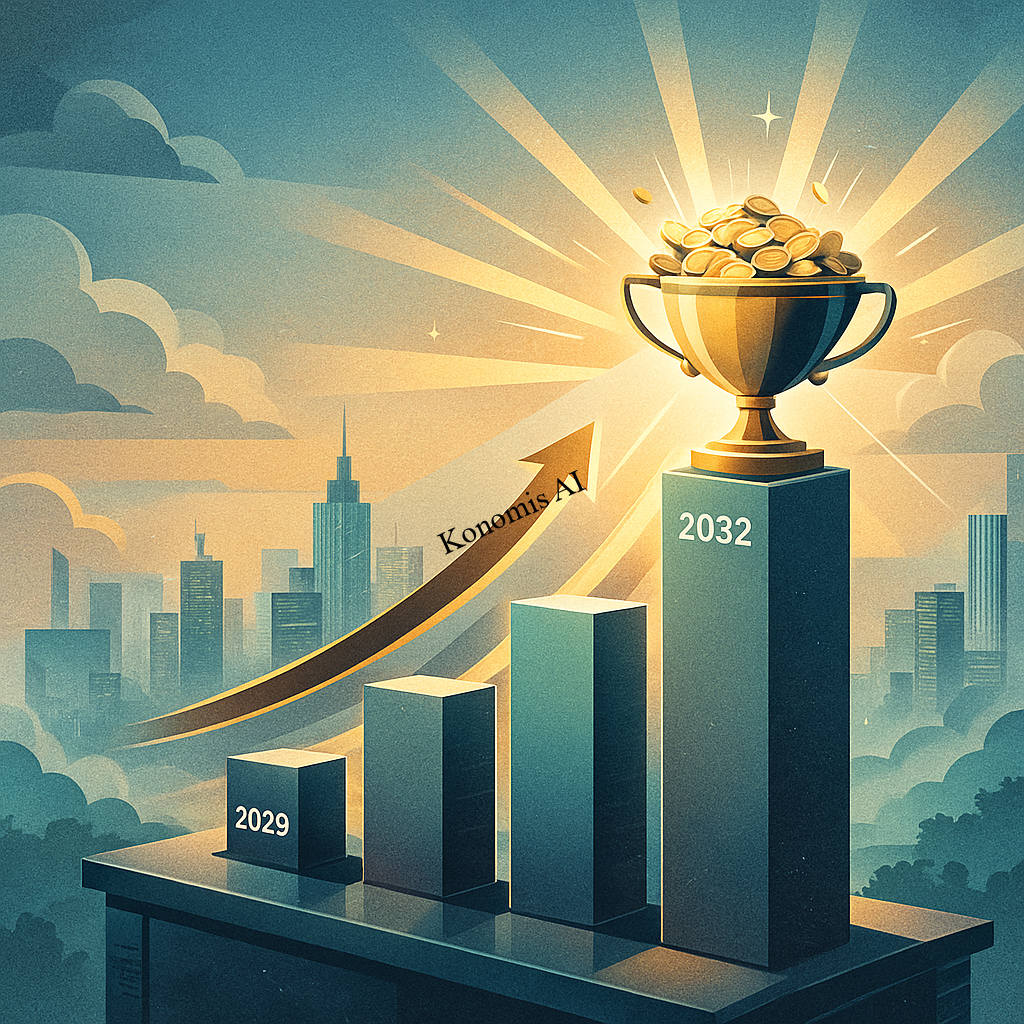
By July and August, markets may move sideways — fear fades but confidence remains low. Then, in September and October, a small rebound might begin, often called the “disbelief rally.” Finally, by November and December, economic data could start showing early signs of stability and recovery.
Emotionally, this period mirrors a timeless pattern: Fear → Despair → Apathy → Hope.
Those who manage to stay rational through despair and act with patience often become the wealth builders of the next great market cycle.
The Economy at the Bottom
By the time 2029 reaches its low point, the global economy will likely look gloomy on the surface — but beneath that darkness, new opportunities will be quietly forming. Many countries may experience recession-like conditions, with shrinking GDP and slowing growth. Big companies, especially in high-debt sectors like technology and real estate, could go through major layoffs as they try to cut costs and survive the downturn.
Credit will be tight, as banks become cautious and limit lending. Liquidity — the easy flow of money — will dry up, making borrowing harder for both businesses and individuals. For many, it will feel like the system is frozen.
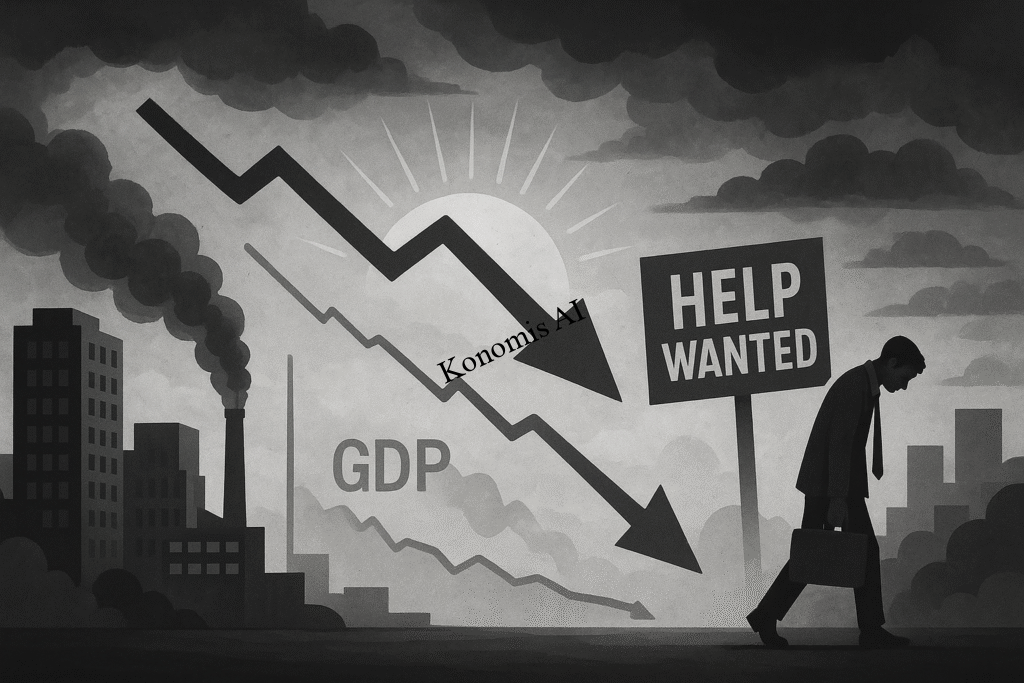
However, this is also when governments and central banks will step in with bold new measures — introducing digital currencies, funding infrastructure projects, and accelerating investment in green energy and sustainable development. These actions will quietly lay the groundwork for the next major growth cycle that runs from 2030 to 2040.
While fear will dominate headlines, those looking deeper will see signs of renewal. Out of this reset, industries built around clean energy, decentralized finance, and artificial intelligence will begin to rise — marking the start of a more innovative and balanced global economy.
Investor Psychology & Media Narrative
During every major market downturn, investor psychology becomes the biggest challenge — not the economy itself. When fear takes over, people stop thinking logically and start reacting emotionally. At the bottom of the cycle, the media amplifies that fear, filling headlines with negativity and hopelessness.
Expect to read things like: “The Stock Market Is Dead,” “Crypto Was a Bubble After All,” or “Cash Is the Only Safe Haven.” These messages feed panic and make most people believe the system is broken beyond repair. But history always tells a different story.
It’s during these darkest times that real wealth quietly changes hands — from those who panic and sell, to those who stay calm, patient, and disciplined. This is how the next generation of wealth is built.
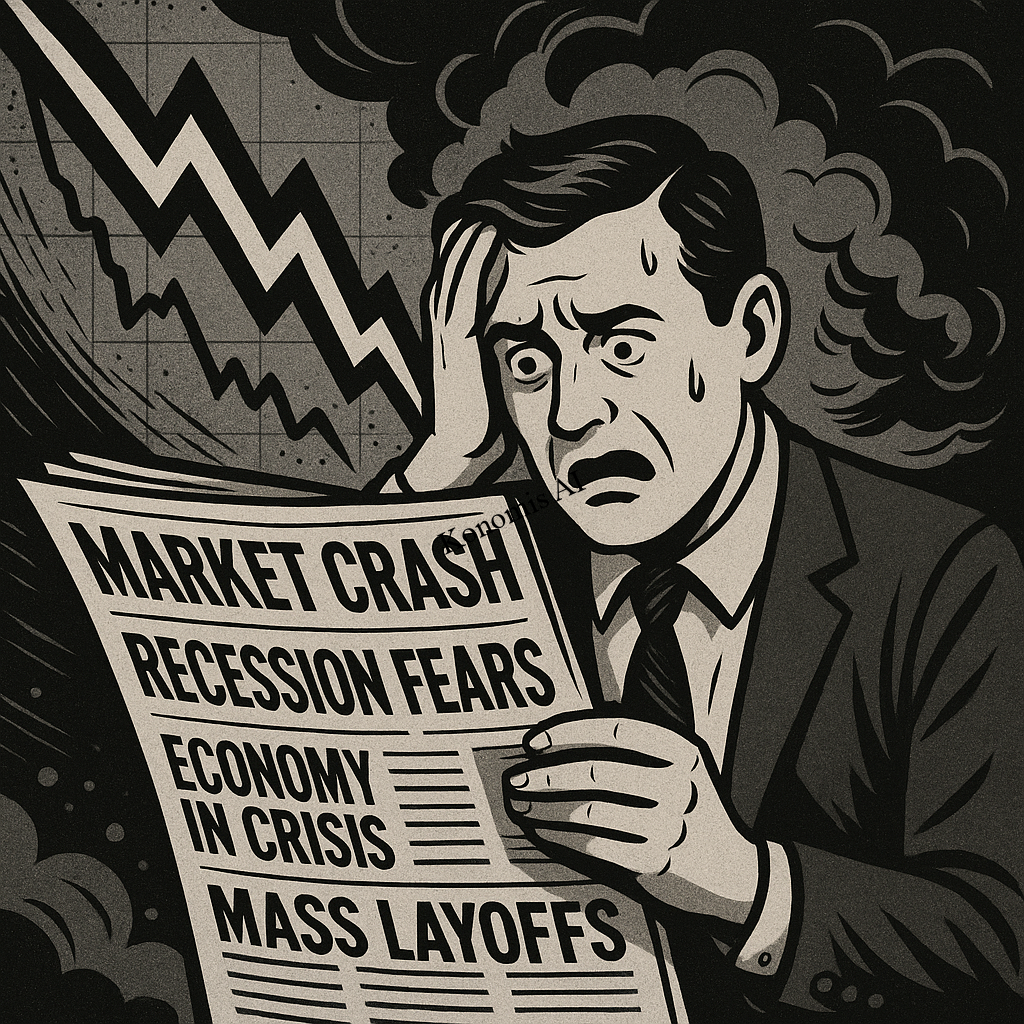
As the famous banker Baron Rothschild once said, “Buy when there’s blood in the streets, even if it’s your own.” In 2029, that “blood” might not be literal — it’ll be digital: red portfolio screens, collapsing charts, and social media filled with despair.
For the few who can remain rational in that chaos, this will be the moment to act — because every crash carries the seeds of the next great recovery.
How to Act (The 2029 Game Plan)
Before 2029 (2027–2028):
The years 2027 and 2028 will be all about preparation — not panic. These are the years to get your financial house in order before the big market reset that’s likely to unfold around 2029.
The first step is simple but powerful: build liquidity. Cash will be your biggest advantage when opportunities arise. In times of panic, most people are forced to sell what they own — but those with cash on hand can buy valuable assets at huge discounts.
Next, cut down unnecessary debt. Avoid loans or commitments that could trap you during uncertain times. Financial freedom gives you flexibility when others feel stuck.
You should also create a watchlist of strong, long-term assets — quality companies, sectors, or even cryptocurrencies that you believe in. When markets fall, you’ll already know what to buy instead of making emotional decisions.

Finally, study past market bottoms — learn how fear, panic, and negative headlines shaped investor behavior. The more you understand those emotional triggers, the better you can stay calm when history repeats itself.
Think of 2027–2028 as your training ground — the time to prepare mentally, emotionally, and financially for the once-in-a-decade opportunity that 2029 could bring.
During 2029:
When 2029 arrives, emotions will likely run high — fear, confusion, and uncertainty will dominate headlines. But this is exactly when calm thinking and a solid plan will make all the difference. The goal isn’t to predict the bottom perfectly, but to accumulate gradually and wisely.
Start by buying in stages rather than all at once — ideally around March–April, May–June, and September–October. These periods are likely to bring heavy volatility, offering good price levels for long-term investors. This approach reduces risk and helps you take advantage of different market phases instead of betting on a single moment.
Focus on oversold but fundamentally strong sectors — industries that have real-world value and long-term potential, even if their prices have fallen sharply. Think energy, infrastructure, technology, and other essential sectors that will lead the next growth cycle.
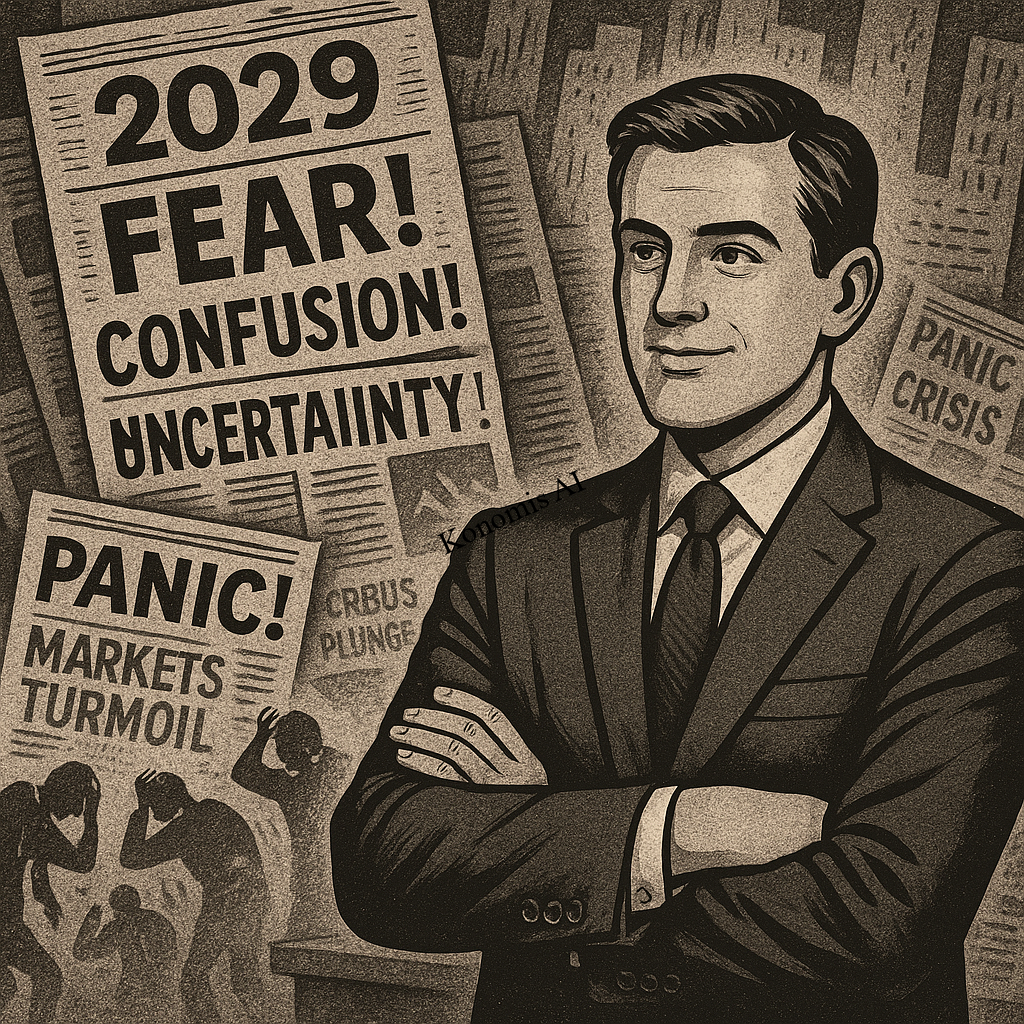
Avoid leverage or speculative plays — borrowing to invest or chasing “get-rich-quick” opportunities can be disastrous in uncertain times.
Most importantly, stay emotionally detached. The markets may look terrifying, but remember: discipline is stronger than excitement. Those who stay patient, buy with strategy, and trust the cycle will be the ones celebrating when recovery begins.
After 2029 (2030–2032):
After the turbulence of 2029, the years 2030 to 2032 will likely be the rebuilding phase — the quiet period when markets begin to recover, but confidence is still low. This is when patience truly pays off.
During this time, the best strategy is simple: hold and compound. Keep your investments and let them grow naturally. Reinvest dividends, staking rewards, or any yields you earn so your returns can multiply over time. Compounding is slow at first, but it’s the most powerful wealth-building force once the new cycle takes off.
It’s also important to ignore short-term noise. You’ll still see fear-driven headlines or temporary pullbacks — that’s normal in the early stages of recovery. Don’t let short-term moves distract you from your long-term vision.
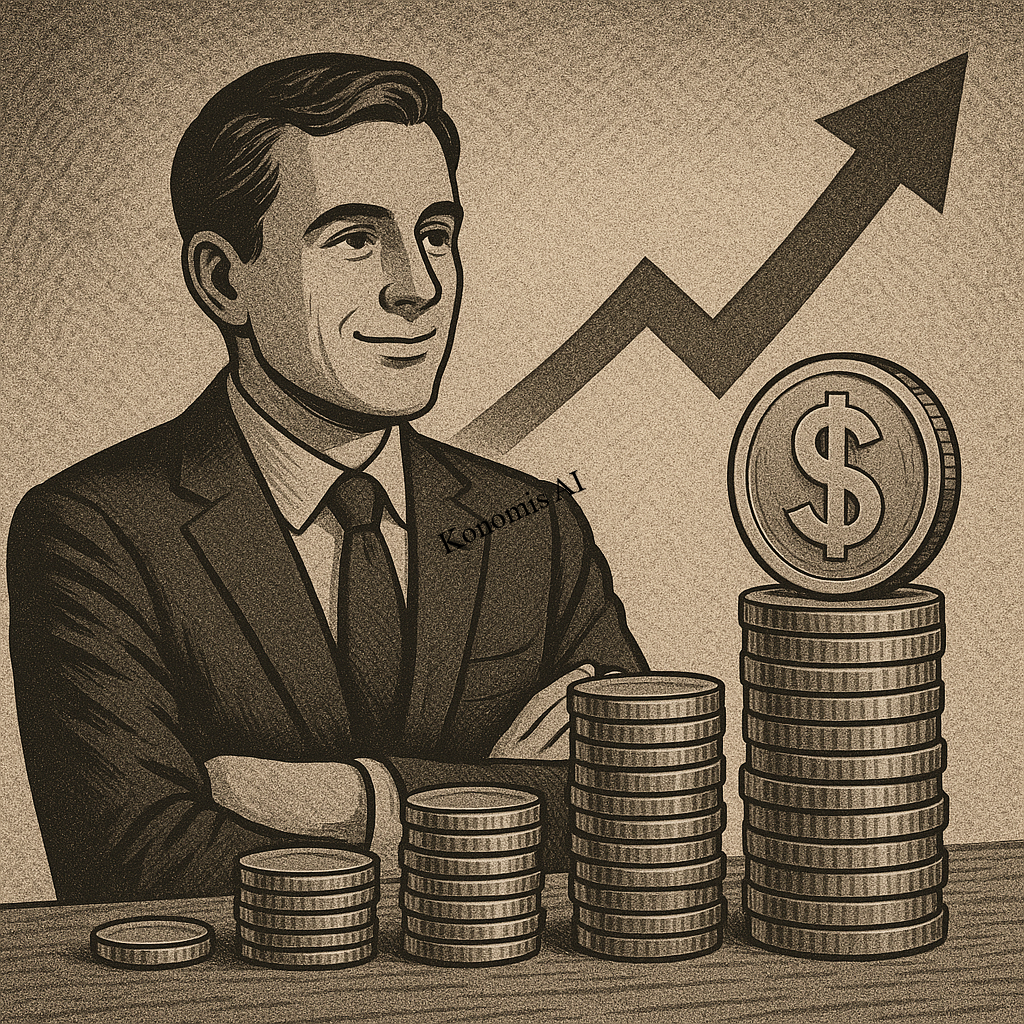
Take time to reassess your portfolio every 6 to 12 months, but always with a long-term perspective. Adjust only if fundamentals change, not because of emotions.
Above all, remember: patience will be your greatest advantage. The next boom won’t reward those who try to time every move — it will reward those who stayed consistent, trusted the cycle, and let time work in their favor.
Sectors & Assets to Target
In the 2029 reset phase, not all assets will move the same way. Some sectors will struggle to recover, while others will quietly build the foundation for the next global expansion. The key is to focus on value over hype — assets that have real-world importance and long-term sustainability.
Equities
Look for strength in banks, energy, and infrastructure companies. These sectors usually lead recoveries because they form the backbone of economic growth. Banks benefit as credit systems stabilize, and infrastructure spending creates jobs and boosts demand across industries.
Commodities
Assets like gold, silver, copper, and lithium will remain vital. Gold and silver act as safe-haven stores of value, while copper and lithium power the shift toward clean energy, electric vehicles, and renewable infrastructure.
Real Estate
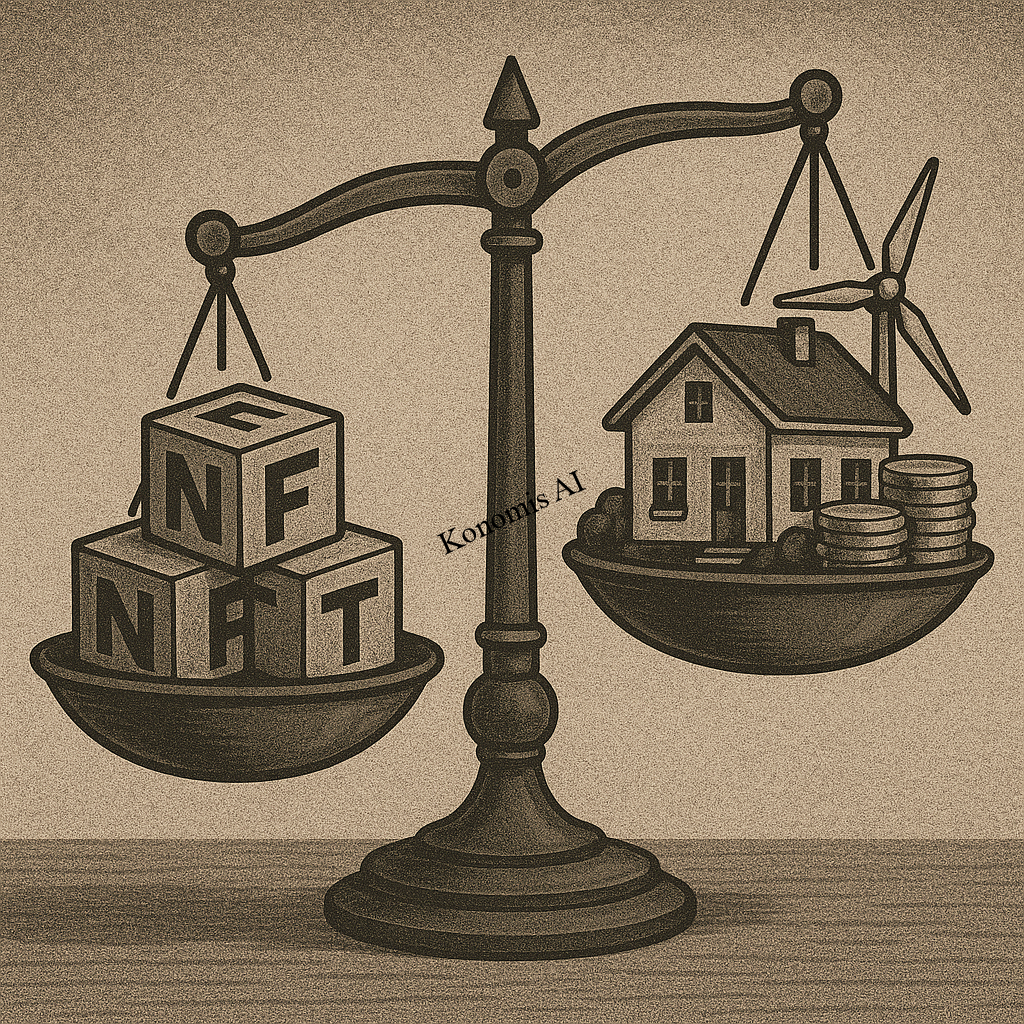
Focus on productive land and essential housing — areas that generate consistent returns or serve practical needs. Avoid speculative real estate driven by hype or luxury trends.
Crypto
Major assets like Bitcoin and Ethereum could hit deep lows in 2029, but that’s often when long-term opportunity begins. Institutional investors may re-enter, driving the next adoption wave.
Bonds
As interest rates peak and begin to fall, long-term treasuries and sovereign bonds will once again become attractive for stable returns.
In short, 2029 will reward those who invest in fundamentals, not fads — assets that actually keep the world running.
Global Shifts After 2029
The decade following 2029 — from 2030 to 2040 — is expected to bring some of the most transformative global changes in modern history. Once the financial reset is complete, the world will gradually shift from recovery to renewal, opening the door to a new era of innovation, growth, and rebalanced power.
One of the biggest changes will be regional power shifts. Economies in Asia, Africa, and Latin America are likely to accelerate, driven by young populations, digital adoption, and growing infrastructure. The global growth engine will no longer rely solely on the West.
At the same time, the process of de-dollarization may gain speed. Instead of one dominant reserve currency, the world could see a mix of regional currencies and digital assets shaping global trade.
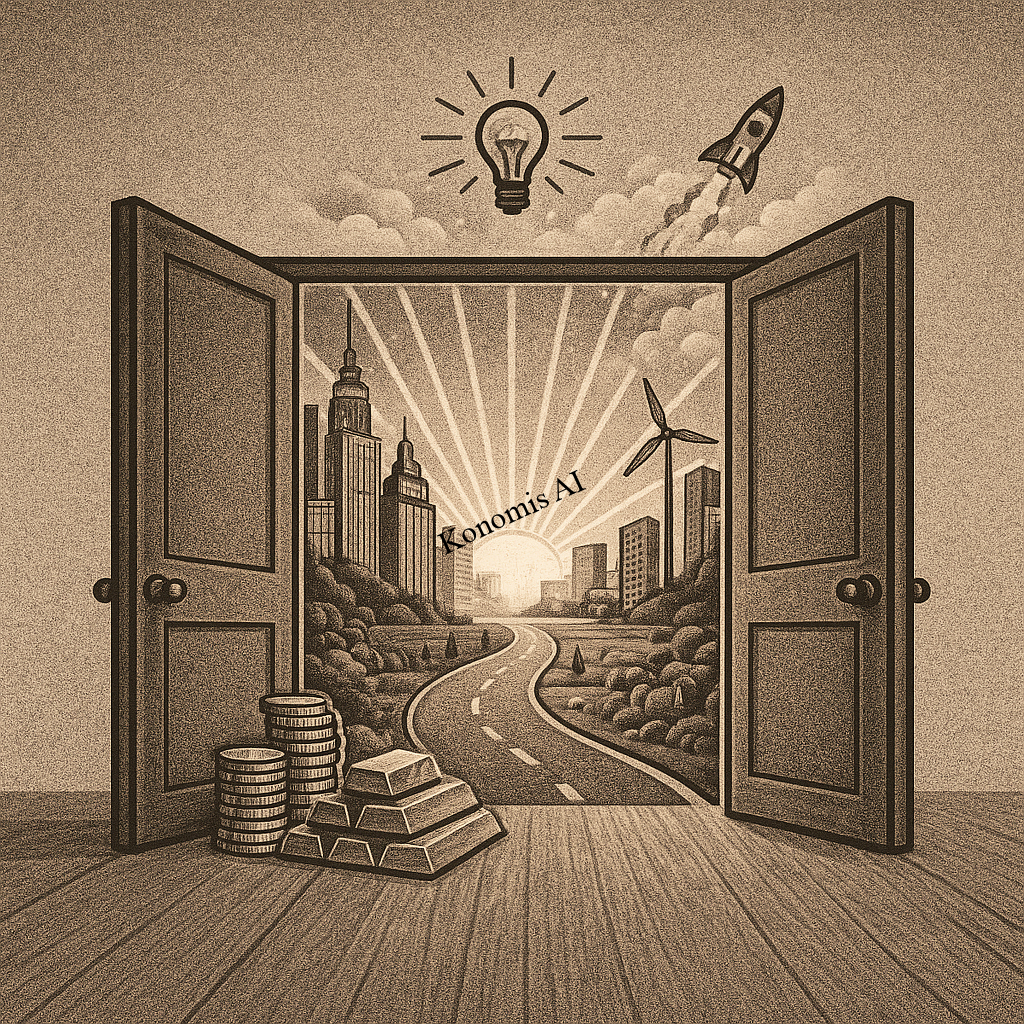
Meanwhile, AI-driven productivity will redefine industries — from manufacturing to finance — increasing efficiency and lowering costs. Combined with this, green infrastructure and clean energy investments will emerge as the century’s biggest economic themes, shaping everything from transport to construction.
These global transformations will create asymmetric opportunities, where small, early investments in the right sectors could lead to exponential gains — rewarding those who recognize change not as risk, but as evolution.
Lessons from Previous Bottoms
History has shown time and again that market bottoms are not the end — they’re the beginning of new wealth cycles. Each major downturn has eventually given rise to powerful recoveries, rewarding those who stayed patient and invested when fear was at its peak.
In 1932, after the Great Depression’s lowest point, U.S. stocks went on to rise by nearly 400% within just five years. What seemed like a financial collapse at the time turned into one of the most profitable rebounds in history.
Then came 1982, marking the start of a 20-year bull market. After years of high inflation and pessimism, markets began a long, steady climb that built immense wealth for long-term investors.
More recently, in 2009, those who had the courage to invest during the global financial crisis saw their portfolios triple in value by 2019.
The pattern is clear — every cycle rewards the same timeless qualities: patience, discipline, and conviction.
The coming 2029 cycle will likely follow the same rhythm. While fear dominates the headlines, opportunities will quietly emerge. For those who act with courage and foresight, it will be another rare chance to build enduring, generational wealth from the ashes of uncertainty.
Psychology of Wealth Transfer
During major market downturns, it often feels like wealth is being destroyed — but in reality, wealth simply changes hands. The money doesn’t vanish; it moves from those who act out of fear to those who stay calm and think long term. This is the quiet process known as the psychology of wealth transfer.
In times of crisis, wealth shifts from the impatient to the patient. People who rush to sell out of panic usually lock in losses, while patient investors step in and buy valuable assets at discounted prices. It also moves from the fearful to the fearless — from those who let emotions control their decisions to those who trust the bigger cycle and act with courage.
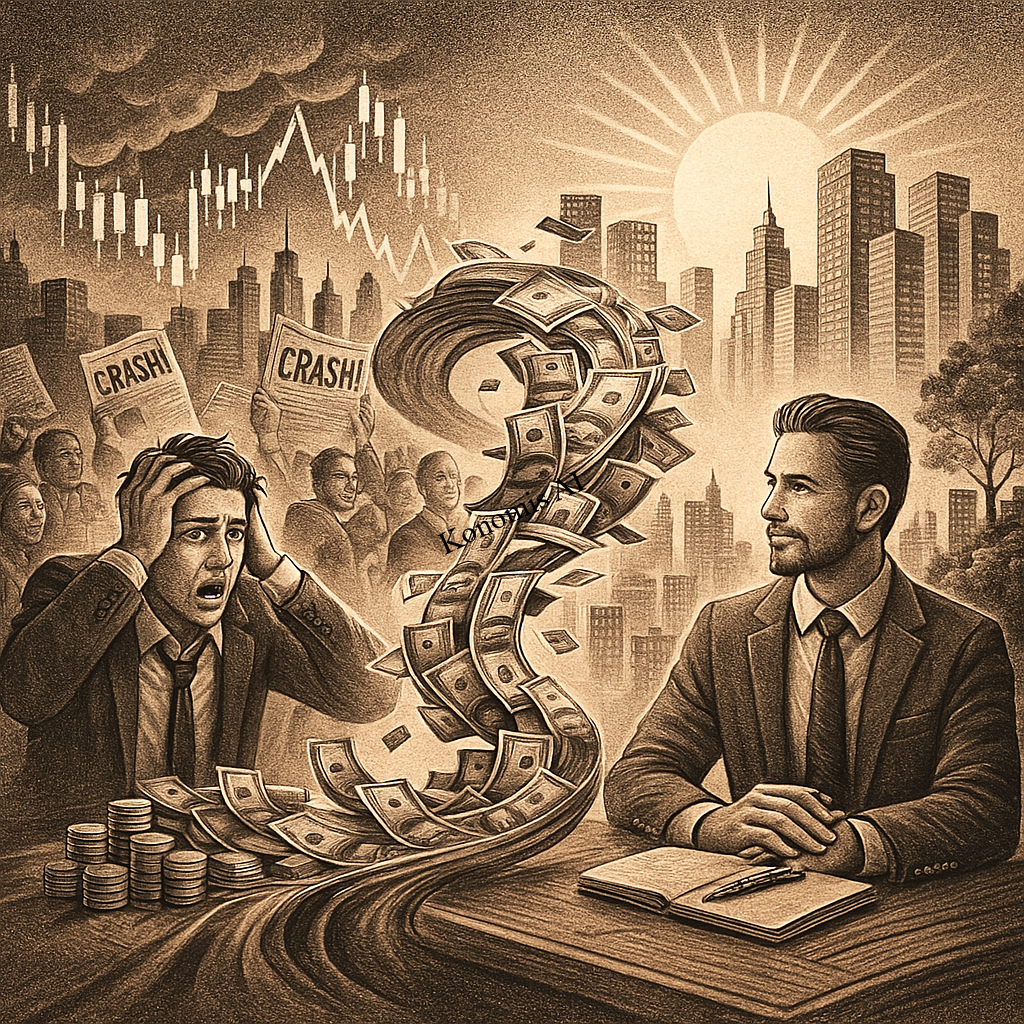
Wealth also transfers from the reactive to the prepared. Those who plan ahead, build liquidity, study market cycles, and keep a long-term view are the ones who seize opportunities when everything looks uncertain.
The truth is, most people panic — only a few persist. But history shows that the small group who keeps going, stays disciplined, and remains rational during chaos often becomes the true winners of the next cycle. These are the people who emerge from downturns not just surviving, but becoming the legends of the recovery phase.
Risks to Watch
Even though 2029 may offer some of the best buying opportunities of the decade, it will still come with its own set of risks. These challenges won’t necessarily derail the long-term recovery, but they can create turbulence that tests an investor’s patience, confidence, and discipline.
One major risk is policy overreaction. Governments and central banks may respond too aggressively — either by injecting too much stimulus or tightening financial conditions too soon. Both extremes can distort markets and delay stabilization. Another concern is inflation persistence. Even after the initial reset, supply chain disruptions or currency weakness could keep inflation higher than expected, creating uncertainty and reducing consumer confidence.
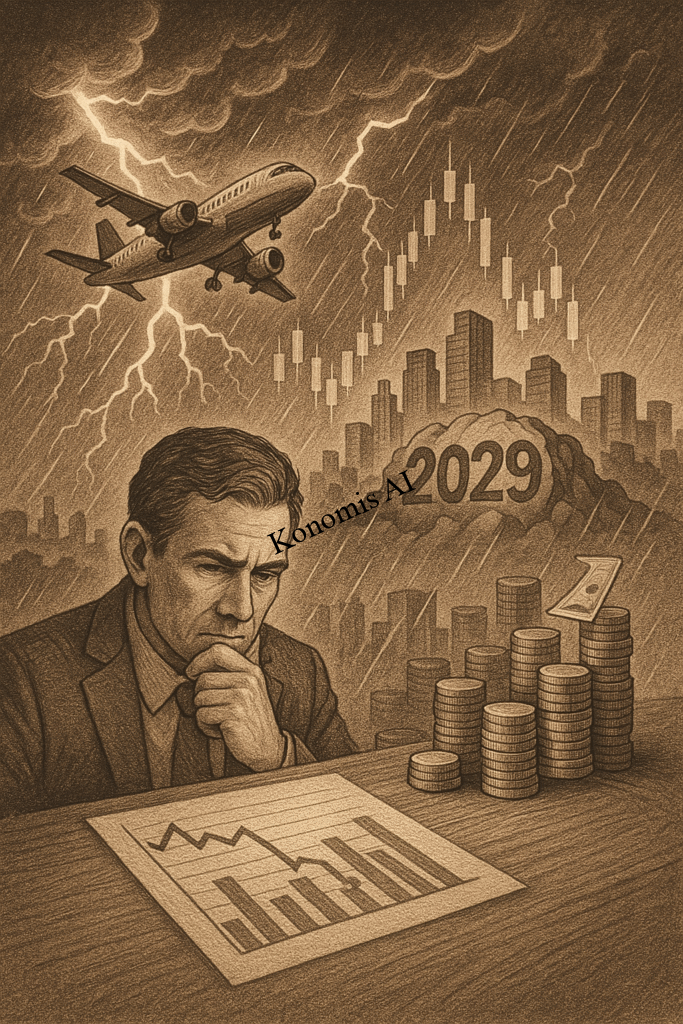
There’s also the threat of systemic credit risks. Highly leveraged institutions, shadow banks, or parts of the decentralized finance (DeFi) ecosystem could face defaults, triggering temporary panic and liquidity shortages. These events won’t necessarily break the system, but they may shake market sentiment.
Finally, geopolitical volatility — such as trade wars, territorial disputes, or shifting global alliances — could add unpredictability to markets.
While these risks may create short-term chaos, they are ultimately temporary storms rather than structural failures. Investors who understand these challenges and stay focused on the long-term cycle will be better prepared to navigate the reset and benefit from the recovery that follows.
The Role of Innovation
Throughout history, major crises have consistently opened the door to major breakthroughs in innovation. When old systems collapse or become inefficient, new ideas rise to replace them. This pattern repeats across every major economic reset.
During the Great Depression, industries were forced to rethink production, which led to the rise of mass manufacturing and large-scale industrial efficiency. The downturn of the early 2000s gave birth to cloud computing, which later became the backbone of modern digital life. After the 2008 financial crisis, trust in traditional systems weakened, accelerating the growth of fintech, digital payments, and blockchain technology.
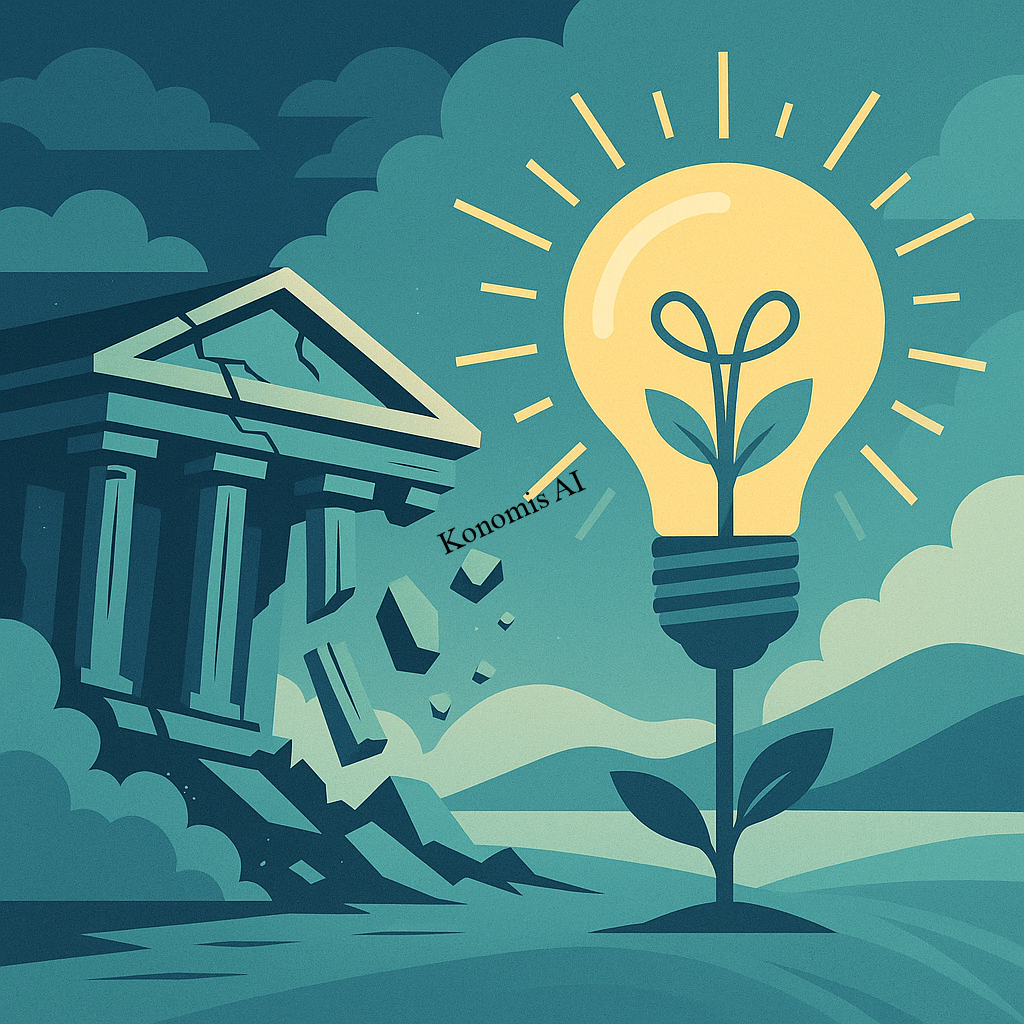
In the same way, the 2029 market reset is expected to become the launchpad for the next major technological revolution. This period will likely mark the beginning of the AI–Blockchain–Energy Renaissance — a powerful combination of artificial intelligence, decentralized digital systems, and clean energy solutions. Together, these innovations will reshape industries, boost productivity, and define the economic landscape of the 2030s.
Rather than viewing crises as only destructive, it’s important to see how they clear the path for invention. The reset ahead will not just correct markets — it will spark the next great wave of global progress.
How Individuals Can Prepare
Preparing for the 2029 reset isn’t about predicting the exact bottom — it’s about building the right habits and positioning yourself before opportunities arrive. The first step is simple: save and build liquidity. Cash gives you flexibility when others are forced to sell. It becomes your biggest advantage during moments of panic.
Next, diversify wisely. Don’t rely on just one type of asset. A balanced approach that mixes tangible assets like gold or land with digital and growth-oriented assets like crypto and tech stocks can protect you from uncertainty while keeping you open to long-term upside.
Education is equally important. Take time to study financial cycles, investor psychology, and market history. Understanding why markets fall — and why they eventually recover — helps you stay confident when emotions run high.
Most importantly, stay calm. Volatility isn’t your enemy; it’s the gateway to opportunity. Market swings that look scary in the moment often become the turning points that create the biggest gains later.
Remember: you don’t need to know the exact day the market bottoms. All you need is the right preparation, discipline, and mindset to position yourself before the dawn, when the next cycle of growth truly begins.
Final Outlook – The Reward After the Reset
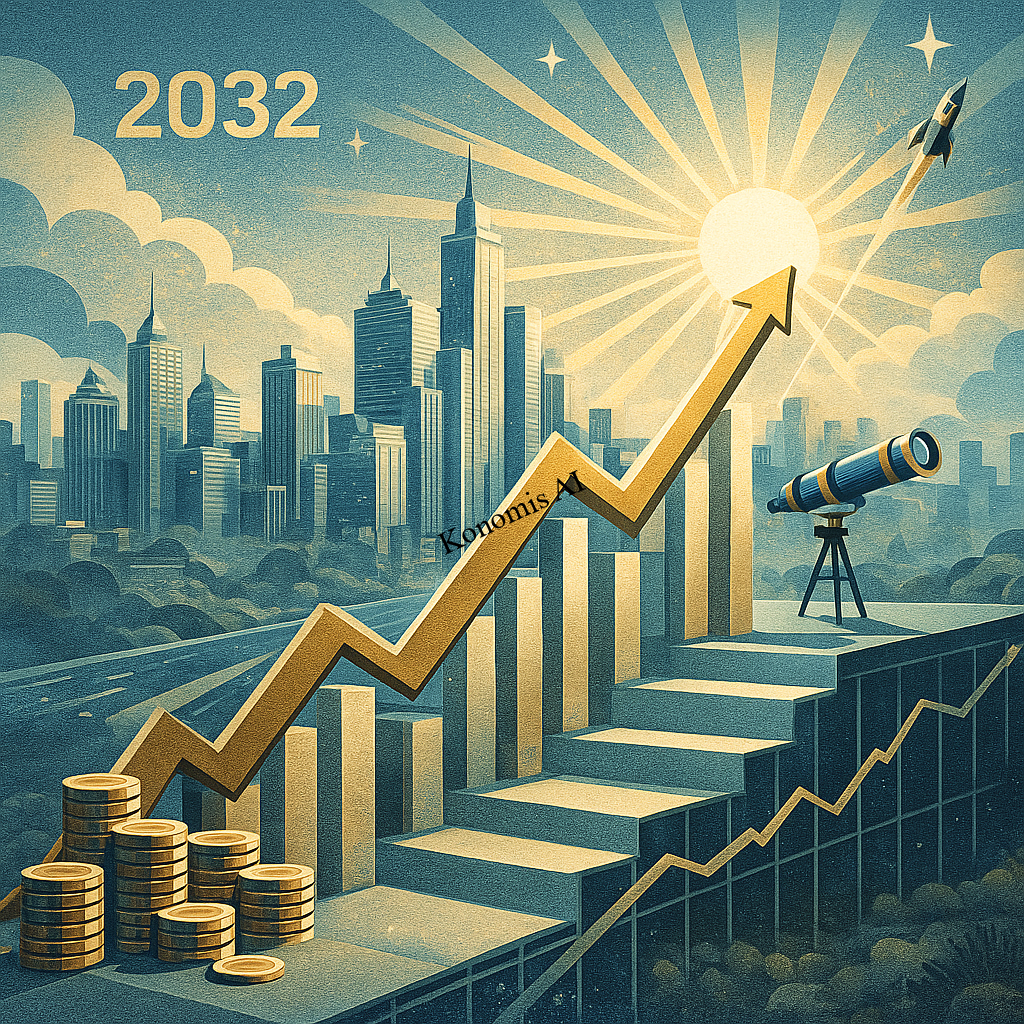
By the time we reach 2032, the markets that hit their lowest point in 2029 may be standing 3× to 10× higher, rewarding the people who stayed patient when others panicked. History shows that the biggest gains usually come after the reset — once fear fades and innovation takes over.
The following cycle, stretching from 2032 to 2036, is expected to be a period of strong global prosperity. Advances in AI, clean energy, decentralized systems, biotechnology, and automation will drive productivity to new heights. Companies will rebuild, new industries will emerge, and long-term thinkers will finally see the results of their discipline.
The core message is simple but powerful:
“Every century gifts one generation the chance to buy the world on sale. 2029 will be that moment — for those ready to see through the fog of fear.”
If you can stay calm, prepare wisely, and act with conviction during the reset, you position yourself to benefit from one of the most significant wealth-building opportunities of the century. The reward after the storm isn’t just recovery — it’s transformation, both financially and personally.
FAQs
Will 2029 really be a global crash?
Not exactly — more of a global valuation reset. Expect deep corrections, not system collapse.
What should investors do before 2029?
Raise cash, cut unnecessary risks, and prepare a shopping list of quality assets.
Which sectors will recover first?
Energy, technology, infrastructure, and green finance will lead the next boom.
What about crypto?
Bitcoin and Ethereum may bottom sharply but become stronger — attracting long-term institutional money post-2029.
How long will recovery take?
Typically, 2–3 years to stabilize, 5–7 years for full-scale wealth expansion.
You Can Also Read
https://en.wikipedia.org/wiki/Great_Reset
Konomis AI Thoughts
 Copyright 2023 CONOMIS

