Table of Contents
Introduction – Why Pain Teaches Better Than Pleasure
Let’s be real—no one ever chooses pain on purpose. We don’t wake up hoping for failure, heartbreak, or disappointment. We all want comfort, success, and happiness. But when we look back at our lives, it’s rarely the easy days that taught us the most. The strongest lessons usually came from moments that hurt.
Success feels good, but pain changes us. Bitter experiences act like a strict teacher who doesn’t sugarcoat the truth. They expose our mistakes, break our illusions, and force us to grow whether we want to or not. When something goes wrong, we stop, reflect, and learn. That’s why painful experiences stay with us longer than happy ones.

Pain makes lessons personal. It touches emotions, not just thoughts. And once a lesson is felt deeply, it’s rarely forgotten. That’s why life’s toughest moments often shape us into wiser, stronger, and more aware individuals.
Understanding Bitter Experiences
What Are Bitter Experiences?
Bitter experiences are the painful moments in life that hurt deeply. They can affect us emotionally, mentally, or even physically. These moments often come in the form of failure, heartbreak, betrayal, financial loss, or missed opportunities. They are experiences we never ask for, yet almost everyone goes through them at some point in life.
What makes bitter experiences so difficult is that they arrive without warning. There is no preparation and no instruction manual. One moment everything feels normal, and the next, life throws a challenge that changes how we think and feel.
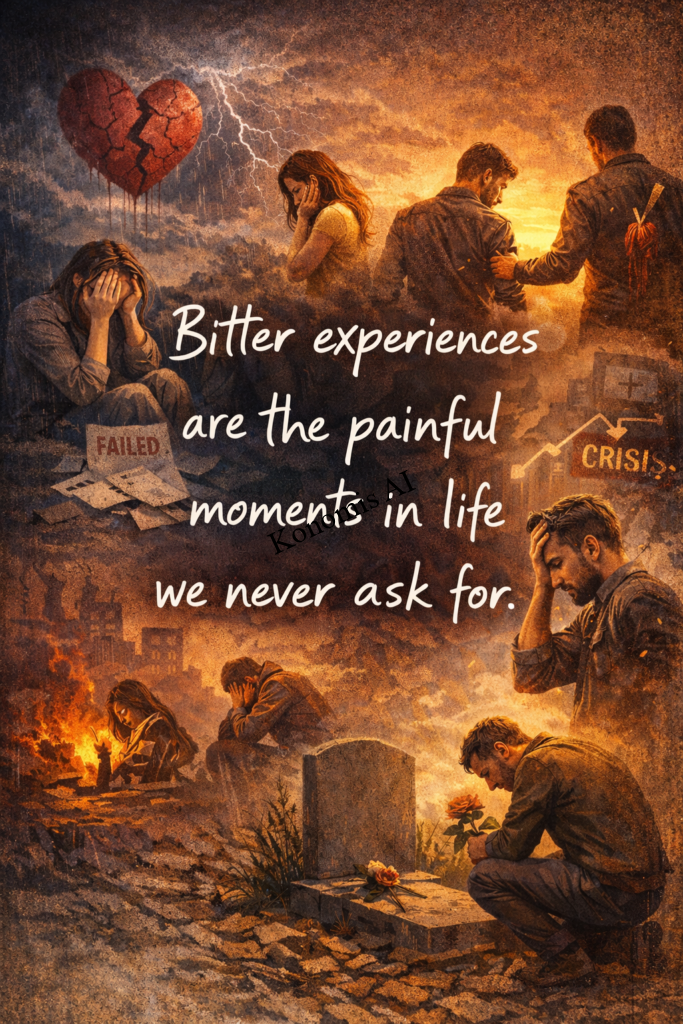
You can think of these moments as life’s unwanted exams. They test our patience, strength, confidence, and beliefs. In those situations, we are forced to face reality rather than comfort or illusion.
Although painful, bitter experiences reveal important truths. They show us our weaknesses, teach us valuable lessons, and often push us toward growth, maturity, and self-awareness that comfort never could.
Why Humans Avoid Pain but Remember It Most
Human beings are naturally programmed to avoid pain. Whether it’s physical injury or emotional hurt, our mind quickly tries to move us away from anything that feels threatening. Pain signals danger, and our brain treats it seriously because survival depends on it.
Ironically, the very thing we try to escape is what stays with us the longest. Praise may feel good for a moment, but criticism, rejection, or failure can echo in our mind for years. Pain leaves a stronger emotional imprint, making it harder to forget than pleasant experiences.

This happens because pain activates our survival system. When something hurts us, the brain marks it as important information. It stores the memory deeply to protect us from repeating the same mistake.
In this way, pain becomes a powerful teacher. It sharpens awareness, shapes behavior, and quietly guides our future decisions. We may not like pain, but our mind remembers it for a reason—it helps us grow and survive.
Psychological Impact of Negative Events
Negative experiences affect the human mind more deeply than positive ones. Psychologists explain that when something painful happens, the brain becomes highly alert. Emotions like fear, sadness, or shock activate strong mental responses, making the experience hard to ignore.
Because of this heightened emotional state, the brain forms stronger neural connections. In simple terms, painful events leave deeper footprints in our memory. The mind treats these moments as important lessons that must not be forgotten.

This is why a single bitter experience can change someone’s behavior for a lifetime. A financial loss can make a person cautious with money. A heartbreak can make someone more guarded with trust. Pain reshapes how we think and act.
While this process may feel harsh, it serves a purpose. The mind uses negative experiences as warning signs, helping us avoid future harm. In doing so, pain becomes not just a memory, but a guide for long-term growth and survival.
The Science Behind Learning from Pain
How the Brain Processes Failure
When we experience failure, the brain reacts differently than it does to success. Instead of relaxing, it becomes alert and active. Failure signals that something didn’t work as expected, and the mind immediately tries to understand why.
The brain naturally shifts into problem-solving mode. It starts asking questions like, “What went wrong?”, “What could I have done differently?”, and “How can I avoid this next time?” These questions push us to reflect rather than repeat mistakes.
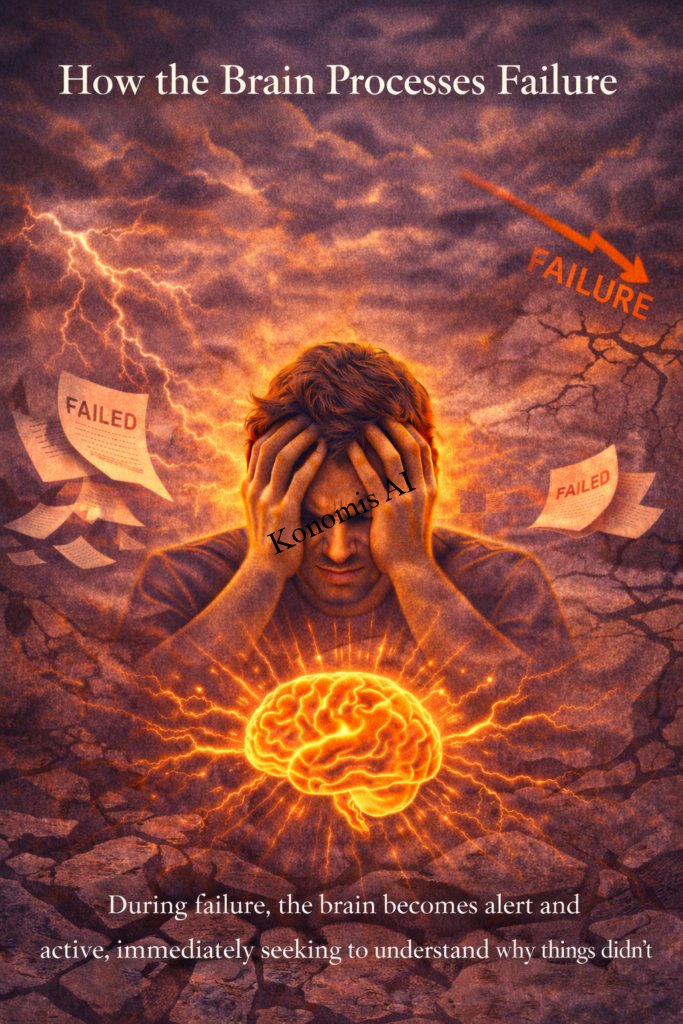
This self-questioning is the real beginning of learning. It forces us to analyze our actions, decisions, and assumptions. Unlike success, which often reinforces habits, failure challenges them.
Through this process, the brain rewires itself. New insights are formed, better strategies are developed, and growth begins. Although failure feels uncomfortable, it plays a crucial role in helping the mind adapt, improve, and make wiser choices in the future.
Emotional Memory vs Logical Memory
Logical memory comes from advice, facts, and instructions. We hear tips, watch videos, and read books, but much of that information fades with time. Without emotional involvement, the brain doesn’t always treat it as important.
Emotional memory works differently. When an experience carries strong feelings—fear, pain, regret, or shock—the brain stores it more deeply. Emotions act like glue, making certain memories hard to forget.
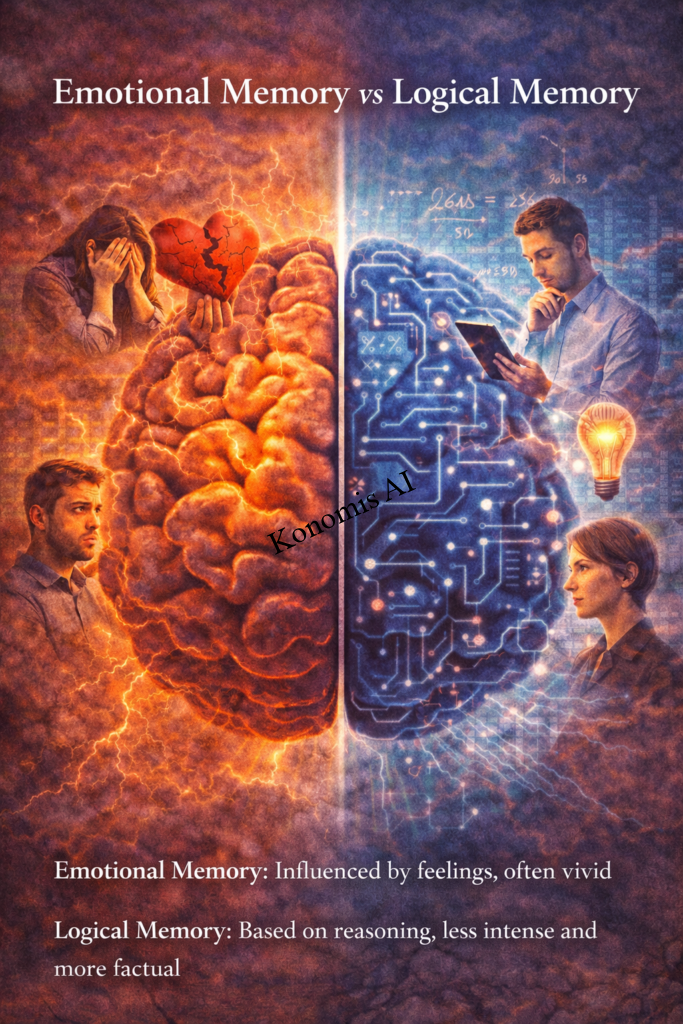
This is why emotional experiences teach better than logical explanations. A person may watch hundreds of videos about saving money, but a single financial loss can permanently change their habits. The pain makes the lesson personal and real.
Logical advice tells us what to do, but emotional experiences show us why it matters. That emotional impact turns knowledge into behavior, making learning long-lasting and meaningful.
Why Pain Creates Long-Term Behavioral Change
Pain has a unique way of forcing us to take responsibility. When something hurts, we can’t ignore it or brush it aside. Pain demands attention and makes us confront the reality of our actions and decisions.
Unlike advice or warnings, pain doesn’t allow excuses. We can argue with people, justify our choices, or blame circumstances—but pain cuts through all that. It shows the direct consequence of what went wrong.
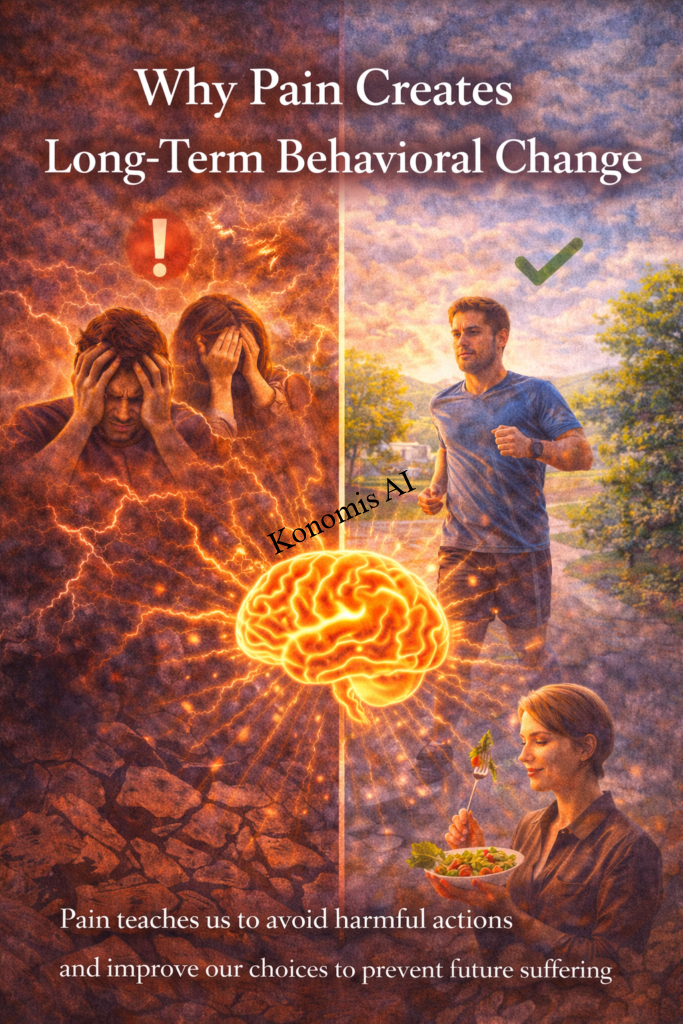
Because of this, pain creates accountability. We begin to reflect honestly and accept our role in the outcome. This acceptance is uncomfortable, but it is also powerful. It pushes us to change rather than repeat the same behavior.
Real growth begins at this point. When accountability replaces denial, habits shift, choices improve, and behavior changes for the long term. Pain may hurt in the moment, but it often becomes the reason lasting transformation takes place.
Bitter Experiences as Life’s Greatest Teachers
Failure as a Hidden Mentor
Failure is often misunderstood as the opposite of success, but in reality, it is a part of the journey toward it. Success and failure are not enemies—they work together. Without failure, success would have no depth or meaning.
Every failure quietly carries a lesson. It teaches patience when things don’t happen quickly, preparation when we realize we weren’t ready, and persistence when giving up feels easier. These lessons are rarely obvious at first, but they become clear with reflection.
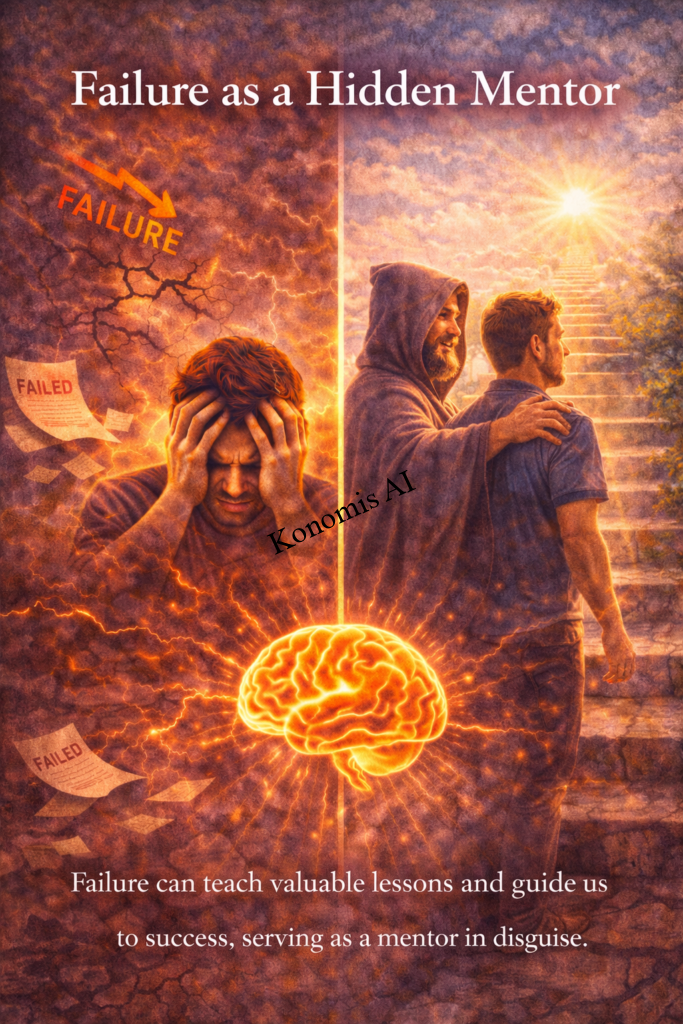
Failure slows us down and forces us to pause. In that pause, we gain clarity about our mistakes, our strengths, and the gaps we need to fill. This awareness is what helps us improve.
In this way, failure acts like a hidden mentor. It may be harsh and uncomfortable, but its guidance is honest. Those who listen to failure grow wiser, stronger, and better prepared for success ahead.
Loss, Rejection, and Disappointment
Loss, rejection, and disappointment are among the most painful experiences in life. They leave us feeling broken, confused, or even questioning our worth. Yet, hidden within these moments are lessons that quietly shape who we become.
Rejection often teaches self-worth. When we are turned away or not chosen, we are forced to look inward. Over time, we learn that our value does not depend on others’ approval, but on our own belief in ourselves.

Loss teaches gratitude. When something or someone is taken away, we begin to understand its true importance. Loss reminds us not to take people, opportunities, or moments for granted.
Disappointment teaches realism. It breaks false expectations and grounds us in reality. Together, these painful experiences refine character, just as fire refines gold—burning away weakness and leaving strength, clarity, and wisdom behind.
How Hardship Builds Inner Strength
Comfort makes life easier, but it rarely makes us stronger. When everything goes smoothly, we stay within familiar routines and habits. There is little reason to push beyond what we already know.
Hardship, on the other hand, forces growth. When life becomes difficult, we are pushed out of our comfort zone. Challenges demand effort, courage, and resilience, even when we feel unprepared.
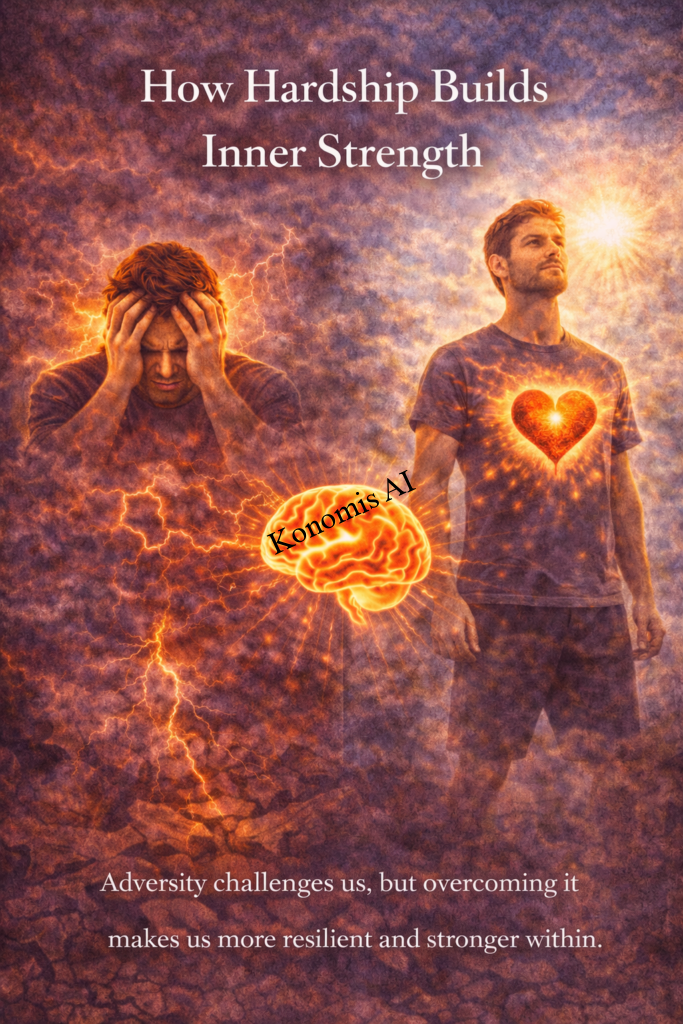
It is during these hard moments that we discover our inner strength. We realize we can endure more, adapt faster, and survive tougher situations than we ever imagined. Limits that once felt fixed begin to expand.
Life doesn’t reveal our true strength during easy times. It reveals it when we are tested. Hardship may feel overwhelming, but it often becomes the reason we emerge stronger, wiser, and more confident than before.
Success Stories Born from Bitter Experiences
Famous Personalities Who Failed First
Behind almost every success story lies a series of failures. Many famous personalities faced rejection, loss, and repeated setbacks long before they achieved recognition. Their journeys were far from smooth, and success did not come overnight.
What makes their stories powerful is that failure didn’t stop them. Instead of seeing setbacks as dead ends, they treated them as lessons. Each mistake taught them what didn’t work and prepared them for what eventually would.

Their failures were not detours from success—they were training grounds. These difficult phases built discipline, patience, and resilience. Without those experiences, long-term success would not have been possible.
These stories remind us that failure is not a sign to quit. It is often a sign that growth is happening. When viewed the right way, failure becomes preparation, not punishment, for something greater ahead.
Ordinary People, Extraordinary Lessons
You don’t need fame, wealth, or public recognition to learn powerful life lessons. Some of the deepest learning happens in quiet moments, far away from the spotlight, in the lives of ordinary people.
A failed exam can change how someone approaches effort and discipline. A broken relationship can teach self-respect, boundaries, and emotional maturity. A lost job can push a person to rethink their skills, direction, and purpose.
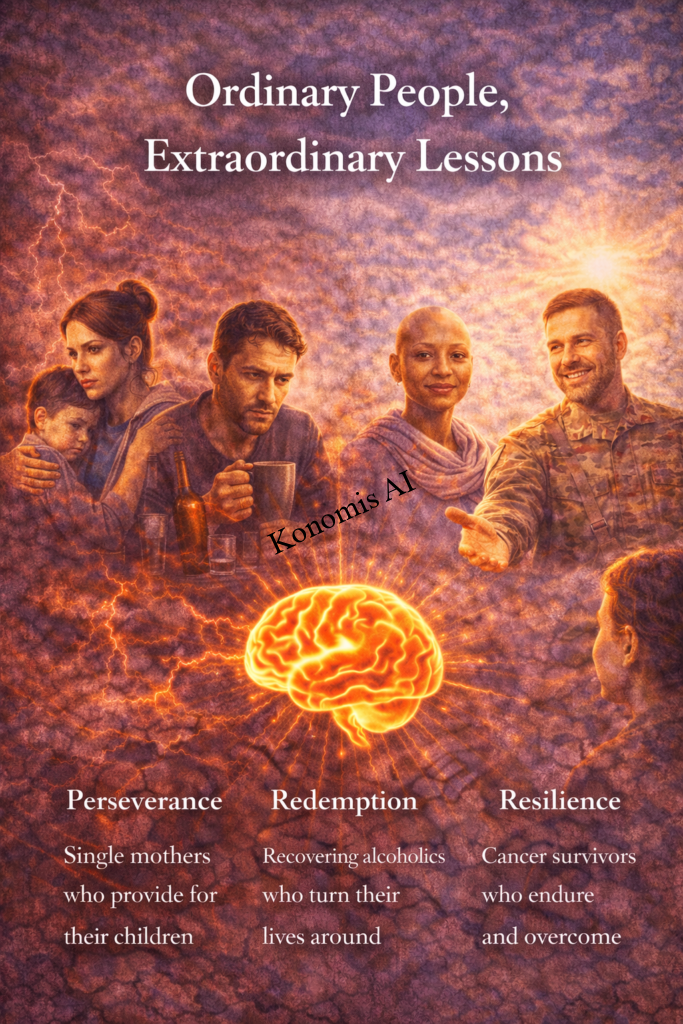
These experiences may seem small from the outside, but for the person living them, they can be life-changing. They force reflection, growth, and difficult but necessary decisions.
Extraordinary lessons are often born from ordinary struggles. It’s not the scale of the event that matters, but how deeply it shapes your thinking, choices, and future actions.
Why Setbacks Often Precede Breakthroughs
Setbacks have a strange way of sharpening our focus. When everything is going well, it’s easy to get distracted or complacent. But when things fall apart, attention naturally shifts to what truly matters.
Pressure creates clarity. Difficult situations strip away comfort and force us to confront reality. In those moments, excuses fade, priorities become clear, and the mind locks in on solutions instead of possibilities.
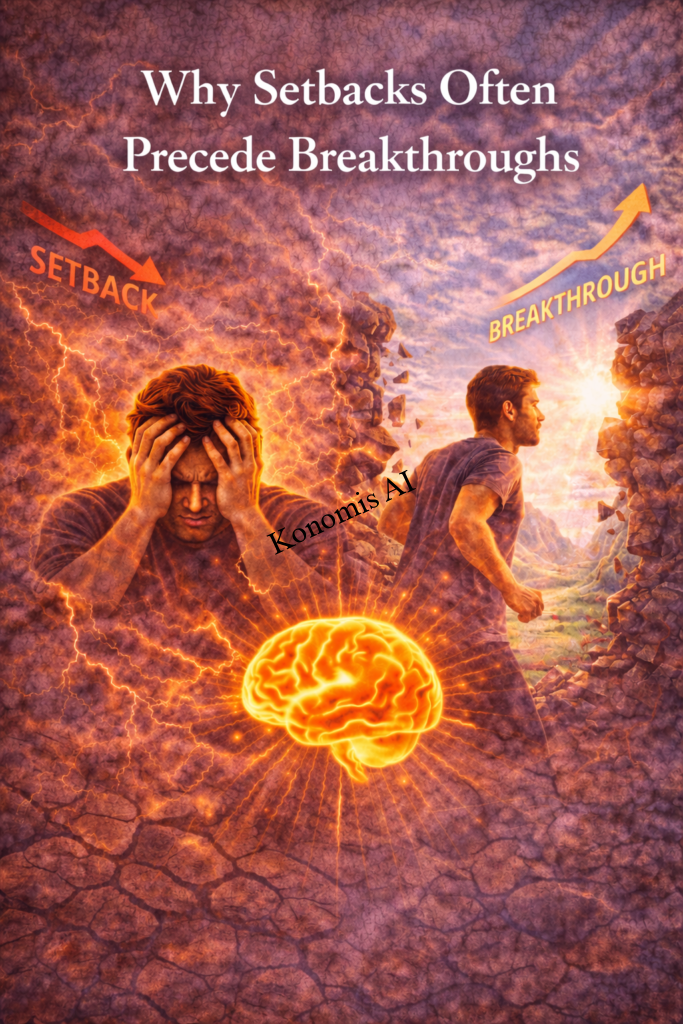
Bitter experiences remove unnecessary distractions. They push us to let go of what isn’t working and concentrate on what must change. This intense focus often leads to better decisions and stronger action.
Many breakthroughs happen right after setbacks because pain demands growth. When pressure forces clarity and focus, it creates the conditions needed for transformation. What feels like a breakdown is often the beginning of a breakthrough.
Bitter Experiences and Emotional Maturity
Learning Emotional Intelligence the Hard Way
Emotional intelligence is not something most people learn from books or lectures. You can read about emotions, communication, and empathy, but true understanding usually comes from real-life experiences.
Being hurt teaches us how words and actions affect others. Being misunderstood forces us to improve how we express ourselves. Being challenged pushes us to manage anger, frustration, and disappointment without losing control.
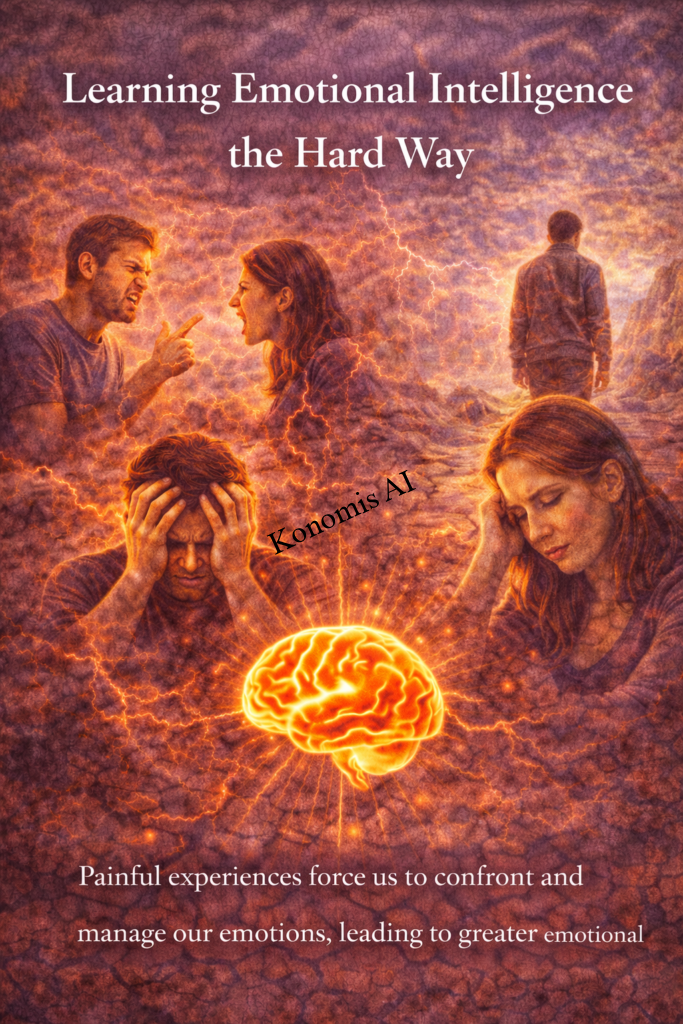
These experiences are uncomfortable, but they build emotional awareness. Over time, we learn to pause before reacting, listen before judging, and respond with patience instead of impulse.
Emotional maturity is shaped through struggle. Each painful interaction adds a layer of understanding and self-control. The hard way may be difficult, but it is often the most effective path to emotional intelligence and personal growth.
Empathy Is Born from Suffering
Empathy does not usually come from an easy life. It grows when a person has experienced pain, loss, or deep disappointment. When you have suffered yourself, you begin to understand others not just with your mind, but with your heart.
Pain has a way of softening the ego. It humbles us and removes the belief that we are separate from others or immune to hardship. Once that pride fades, compassion naturally takes its place.
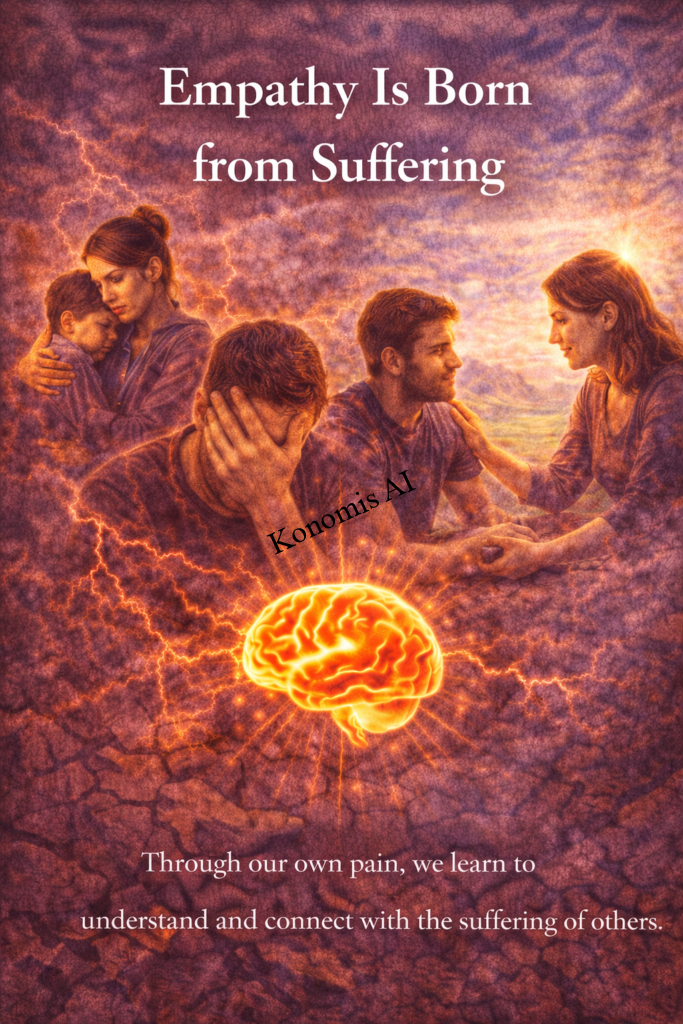
People who have suffered learn that everyone is carrying something heavy, even if it isn’t visible. This awareness makes them more patient, less judgmental, and more willing to listen without interrupting or correcting.
In this way, suffering becomes a quiet teacher. It turns personal pain into shared understanding and transforms hardship into empathy that is genuine, deep, and deeply human.
Pain as a Teacher of Compassion
Pain teaches compassion in a way nothing else can. Until we experience hurt ourselves, it’s difficult to truly understand what someone else is going through. Words may come easily, but genuine comfort requires deeper awareness.
When you’ve felt pain, you learn the difference between advice and understanding. You realize that people don’t always need solutions—they need to feel seen and heard. This awareness changes how you respond to others.
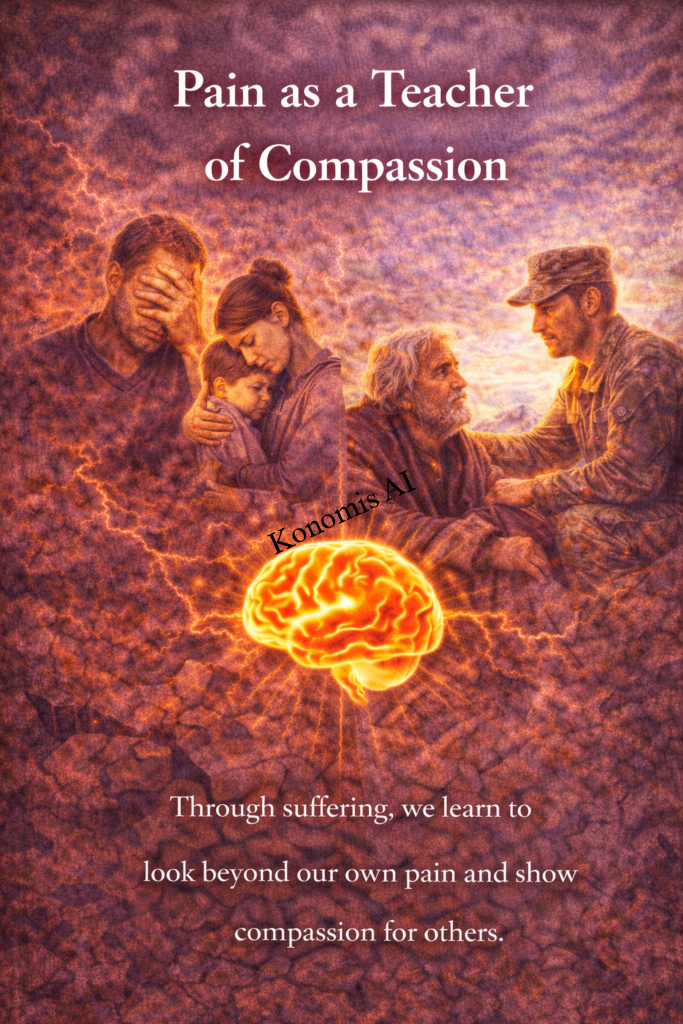
Personal suffering also softens the heart. It removes harsh judgments and replaces them with patience and sensitivity. You become more careful with words and more present with emotions.
In this way, pain becomes a teacher of compassion. It transforms personal hurt into the ability to support others with sincerity, warmth, and empathy that only experience can create.
Bitter Experiences in Relationships
Heartbreak as a Life Lesson
Heartbreak is one of the most painful experiences a person can go through. It leaves behind confusion, sadness, and emotional exhaustion. Yet, beneath the pain, heartbreak carries powerful lessons that shape future relationships.
One of the first lessons heartbreak teaches is boundaries. After being hurt, you begin to understand what you will and will not tolerate. You learn where to draw lines to protect your emotional well-being.
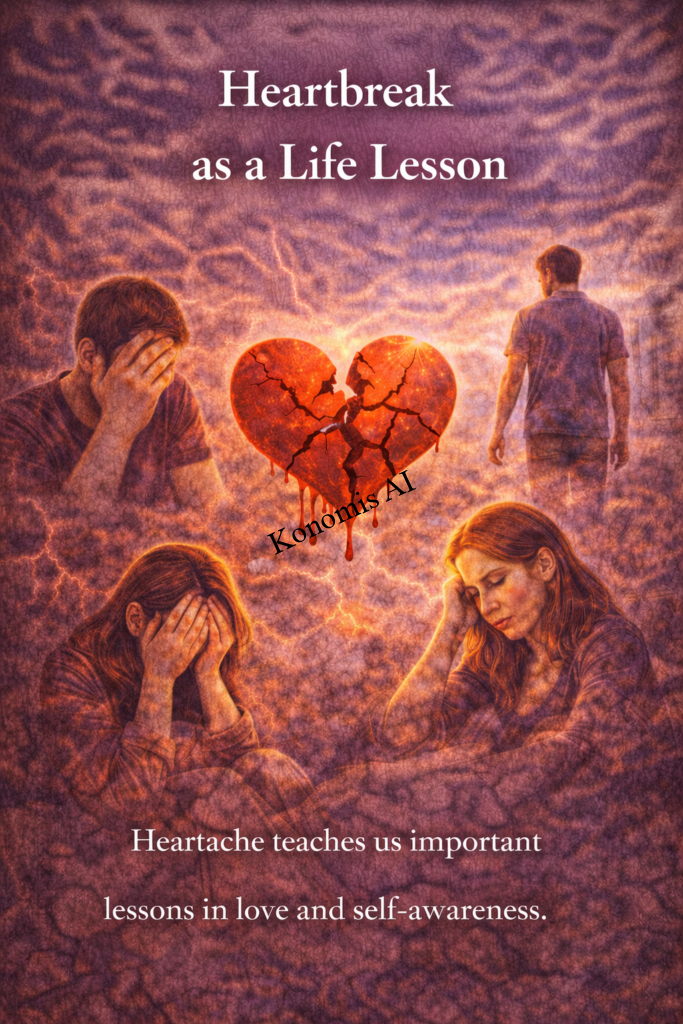
Heartbreak also teaches self-respect. It forces you to recognize your worth and realize that love should not come at the cost of dignity or self-value. This awareness strengthens confidence from within.
Over time, heartbreak builds emotional awareness. You become more conscious of your feelings, needs, and patterns. Though painful, heartbreak often becomes the moment that leads to healthier, more balanced relationships in the future.
Choosing Better Relationships After Pain
Painful relationship experiences change the way we understand love. When something hurts deeply, it forces us to reflect on what went wrong and why it affected us so strongly. This reflection becomes the foundation for wiser choices.
Through pain, we learn what love should not look like—disrespect, neglect, manipulation, or constant emotional confusion. These experiences create clear boundaries and help us recognize unhealthy patterns early.

At the same time, pain clarifies what real love feels like. It shows the importance of trust, emotional safety, mutual effort, and honest communication. What once felt normal may no longer be acceptable.
As a result, pain doesn’t just end a relationship—it improves future ones. It sharpens awareness, strengthens self-worth, and helps us choose connections that support growth, peace, and genuine emotional balance.
Bitter Experiences in Career and Finance
Career Failures That Redefine Direction
Career failure can feel deeply discouraging, especially when time, effort, and expectations are involved. When a path doesn’t work out, it often brings self-doubt and fear about the future. Yet, these moments are rarely the end of the road.
A failed career path forces reflection. It makes us question whether we were truly aligned with our strengths, interests, or values. This pause, though uncomfortable, opens the door to better self-understanding.
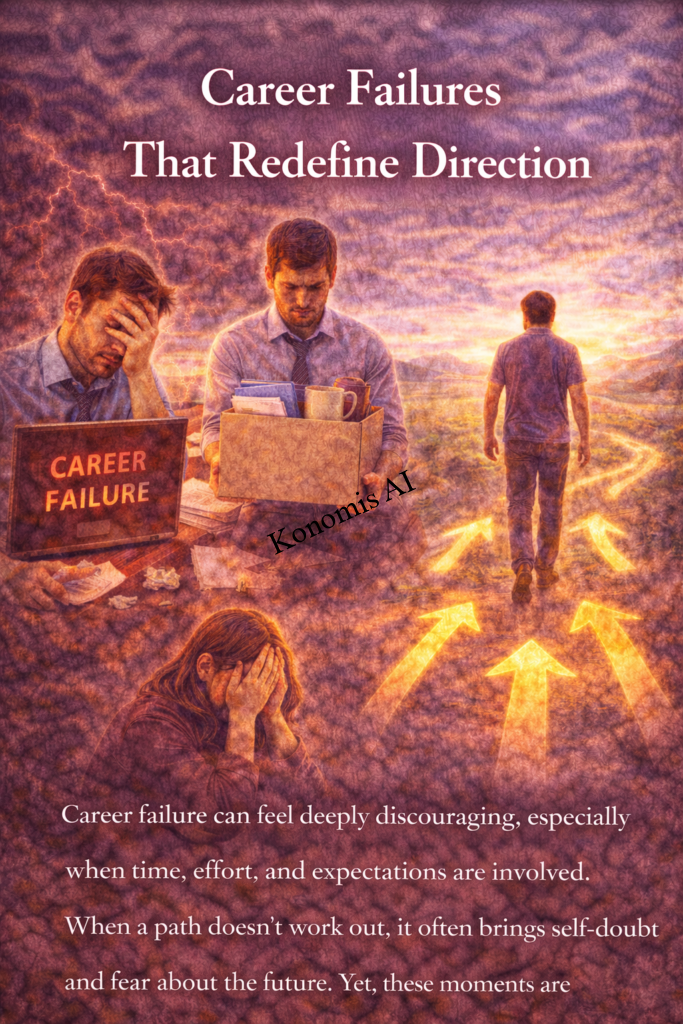
Many people discover new skills, passions, or opportunities only after something doesn’t work out. Failure removes false direction and clears space for paths that fit more naturally.
In this way, career failure becomes redirection rather than defeat. What feels like a setback often leads to clarity, renewed purpose, and a career path that is more fulfilling, sustainable, and true to who we are.
Financial Losses and Money Wisdom
Financial loss is one of the most uncomfortable lessons life can offer. Losing money brings stress, regret, and sometimes fear about the future. It hits hard because money is closely tied to security and stability.
Yet, nothing teaches money management more effectively than losing money. After a loss, people begin to pay closer attention to spending habits, risks, and decisions that were once ignored. The pain forces awareness.

Financial mistakes teach discipline. They highlight the importance of budgeting, saving, and thinking long term rather than chasing quick gains. Lessons that once felt boring suddenly become necessary.
Over time, financial loss turns into money wisdom. It builds caution, patience, and responsibility. While the loss may hurt in the moment, the knowledge gained often leads to smarter decisions and stronger financial habits for life.
Why Financial Pain Builds Discipline
Financial pain has a way of waking people up. When money is lost or mismanaged, the consequences are immediate and real. This discomfort forces attention on habits that were once taken lightly.
Mistakes with money create caution. After experiencing loss, people become more careful with spending, investing, and borrowing. Decisions are no longer impulsive; they are considered and measured.
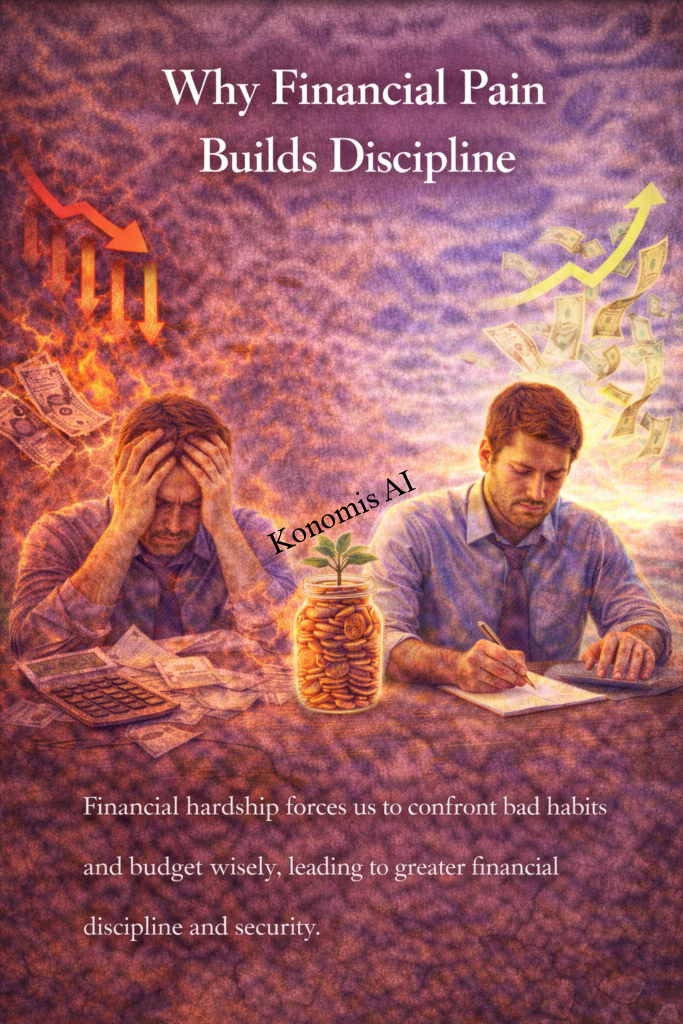
Financial pain also encourages planning. Budgets, savings, and emergency funds stop feeling optional and start feeling necessary. Short-term thinking gives way to long-term awareness.
Through this process, discipline is built. Financial mistakes transform casual behavior into responsible action. While painful at first, these lessons shape stronger money habits and a more stable financial future.
Turning Bitter Experiences into Growth
Asking the Right Questions After Failure
Failure often triggers emotional reactions like frustration, anger, or self-pity. The first question many people ask is, “Why me?” While natural, this question rarely leads to growth and often keeps us stuck in blame or regret.
A more powerful question is, “What can I learn from this?” This shift changes failure from a punishment into a lesson. It encourages reflection instead of resistance and turns attention toward improvement.
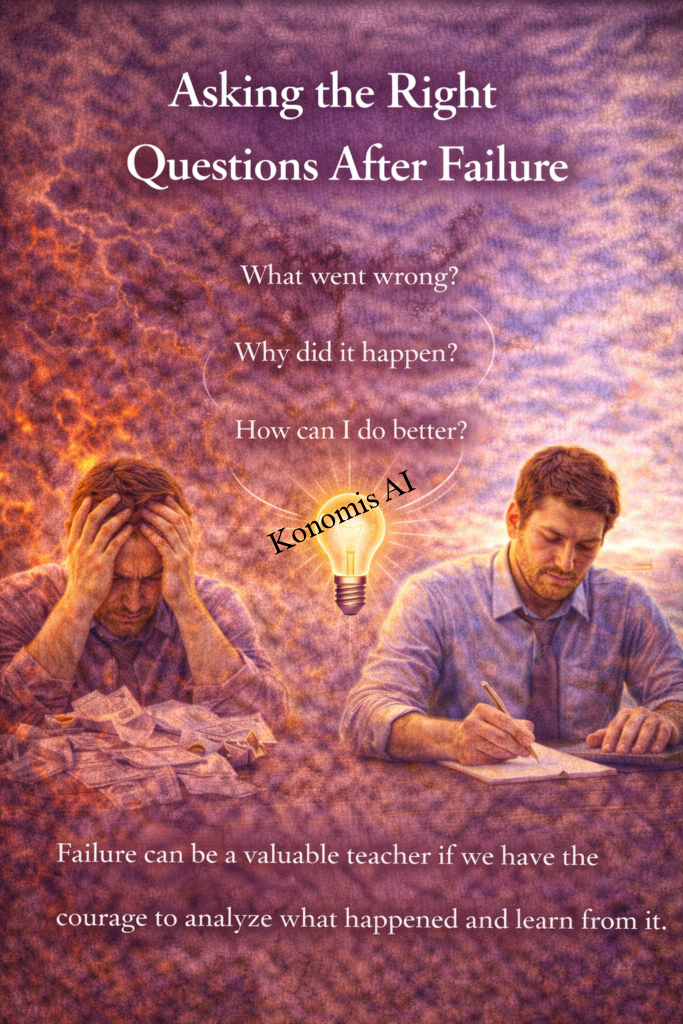
When we ask the right questions, we begin to see patterns, mistakes, and missed opportunities clearly. This awareness helps us make better choices moving forward.
Growth begins not when failure happens, but when we respond to it wisely. By choosing learning over self-pity, failure becomes a stepping stone rather than a stopping point.
Growth Mindset and Self-Awareness
Personal growth begins with honesty. As long as we stay in denial—blaming others, circumstances, or luck—real change cannot happen. Denial protects the ego, but it also blocks learning.
Self-awareness starts when we accept our mistakes and limitations without excuses. This acceptance may feel uncomfortable, but it opens the door to improvement. Seeing ourselves clearly is the first step toward growth.
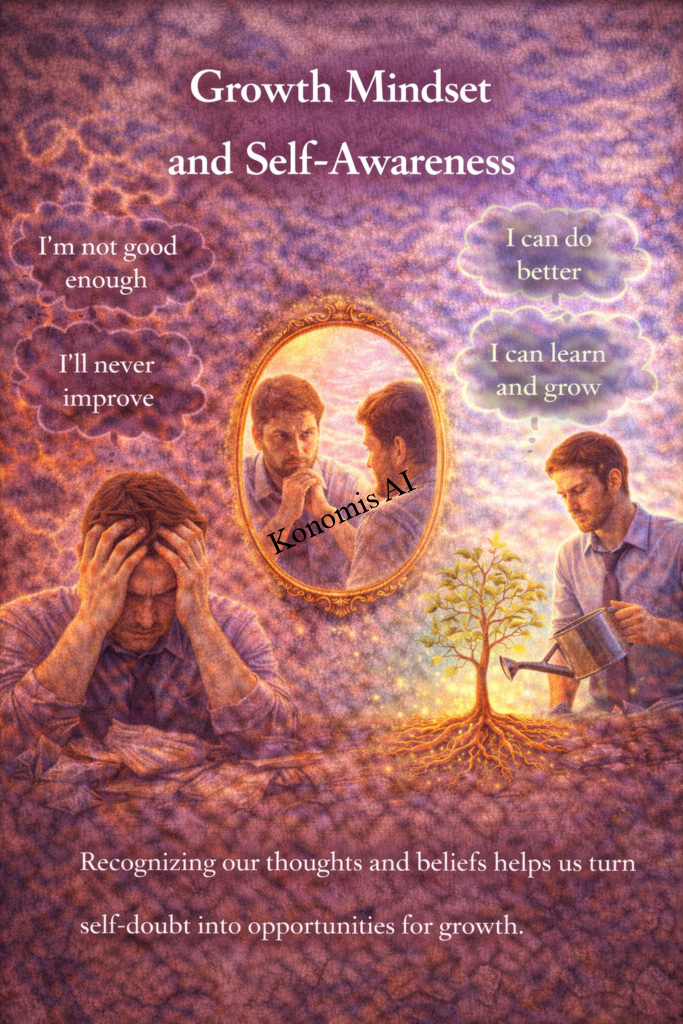
A growth mindset thrives on this awareness. Instead of seeing flaws as failures, it treats them as areas to develop. Challenges become opportunities rather than threats.
Growth truly begins where denial ends. When we face reality with openness and courage, we gain control over our choices, strengthen our mindset, and move forward with clarity and purpose.
Common Mistakes People Make After Bitter Experiences
Becoming Bitter Instead of Better
Pain is unavoidable, but bitterness is a choice. When hurt is ignored or suppressed, it slowly turns into resentment. Instead of learning from the experience, the mind holds on to anger, and pain begins to shape a negative outlook on life.
Becoming bitter happens when we relive the hurt without understanding it. The experience keeps repeating emotionally, even when the event is over. This traps us in the past and blocks healing.
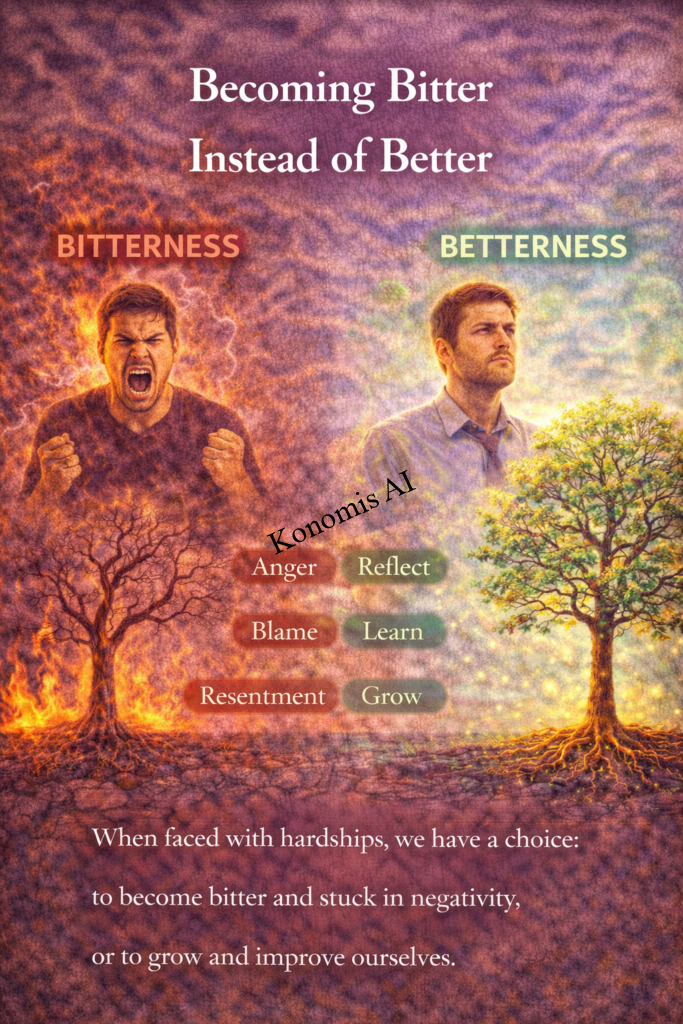
Becoming better requires reflection. It means asking what the pain is trying to teach rather than who to blame. This shift transforms suffering into awareness and strength.
Pain is meant to polish, not poison. When we face it honestly, it sharpens character, deepens wisdom, and strengthens resilience. The same pain that can harden the heart can also refine it—depending on how we choose to respond.
How to Break Negative Cycles
Negative cycles continue when we move through life on autopilot. The same mistakes repeat because the same thoughts, reactions, and habits remain unchanged. Without awareness, patterns stay invisible.
Awareness is the turning point. The moment you notice what you are doing and why you are doing it, the cycle begins to weaken. You stop reacting automatically and start responding consciously.
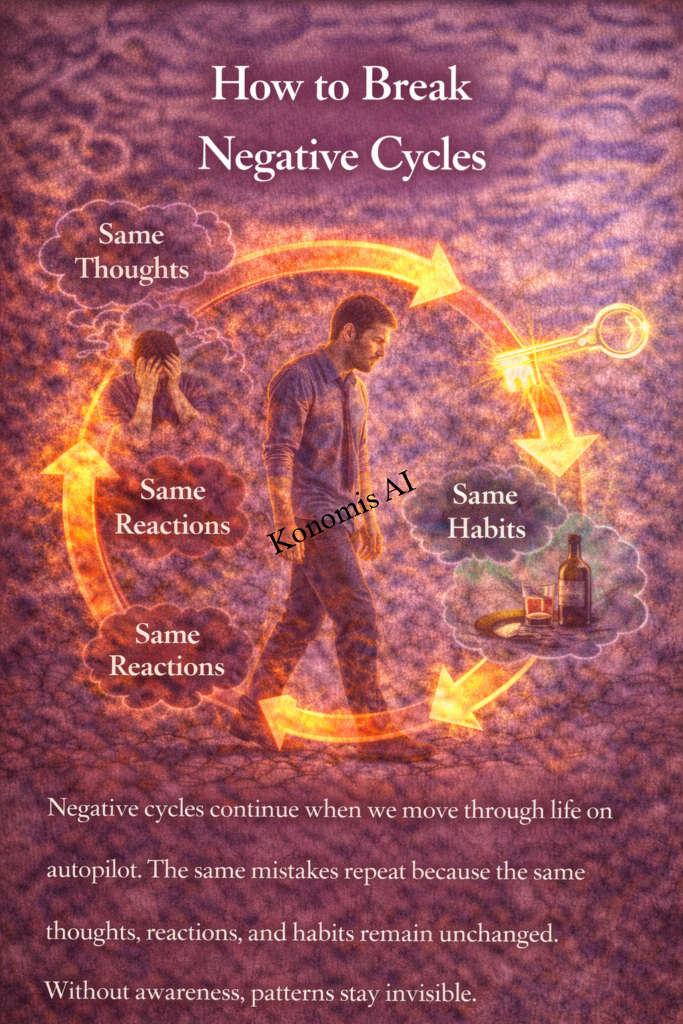
With awareness comes choice. You may not control the past, but you gain control over your next step. Even small changes in thinking or behavior can interrupt long-standing patterns.
Awareness is the exit door. Once you see the cycle clearly, you are no longer trapped inside it. Growth begins the moment unconscious repetition is replaced by conscious understanding and intentional action.
Bitter Experiences and Spiritual Growth
Pain as a Path to Inner Awakening
Pain has a way of shaking us awake. When life is comfortable, we often move on autopilot, guided by ego, expectations, and external validation. Suffering disrupts this routine and forces us to look inward.
Through pain, the ego begins to soften. We realize we are not in full control, and this humility opens space for deeper understanding. What once felt important may suddenly feel meaningless.
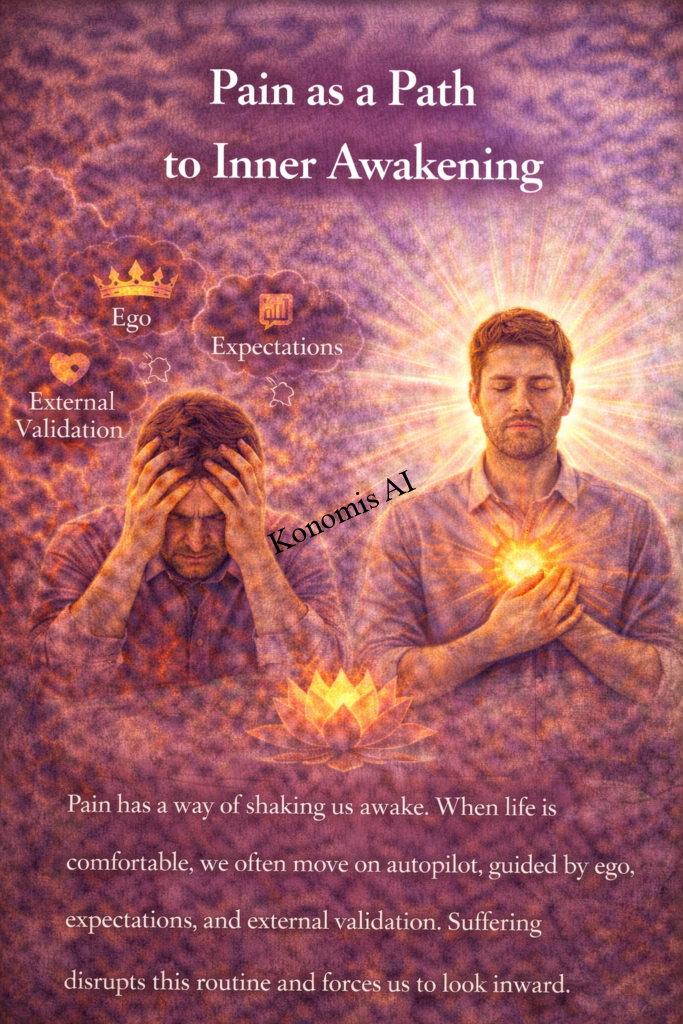
Suffering deepens awareness by stripping away illusions. It makes us question our beliefs, priorities, and identity. In this quiet reflection, clarity begins to emerge.
In this way, pain becomes a path to inner awakening. Though difficult, it leads to greater self-awareness, emotional depth, and a more authentic connection with ourselves and life.
Detachment, Acceptance, and Faith
Pain often arrives when our need for control collapses. No matter how hard we try to manage outcomes, some situations remain beyond our power. In those moments, pain becomes the teacher.
Detachment begins when we realize that clinging only increases suffering. Letting go does not mean giving up—it means releasing the illusion that we can control everything. This shift brings inner relief.
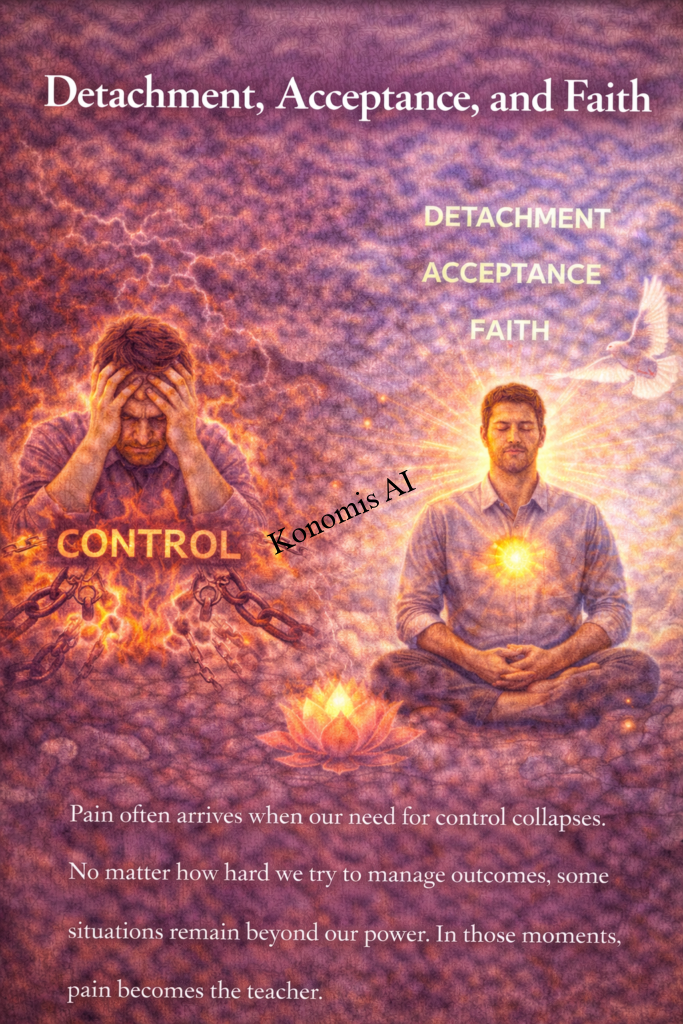
Acceptance follows detachment. Instead of fighting reality, we acknowledge it as it is. Acceptance doesn’t remove pain, but it reduces resistance, allowing healing to begin.
Faith grows where control ends. When logic and effort fail, trust takes over—trust in time, life, or something greater than ourselves. Pain teaches surrender, and in surrender, peace slowly finds its way in.
Why Suffering Often Leads to Wisdom
Wisdom rarely comes from comfort or easy success. It grows through lived experiences, especially those that test us deeply. Suffering forces us to slow down, reflect, and question what we once took for granted.
When we suffer, life strips away illusions. We see people, situations, and even ourselves more clearly. This clarity is the foundation of wisdom—it replaces assumptions with understanding.
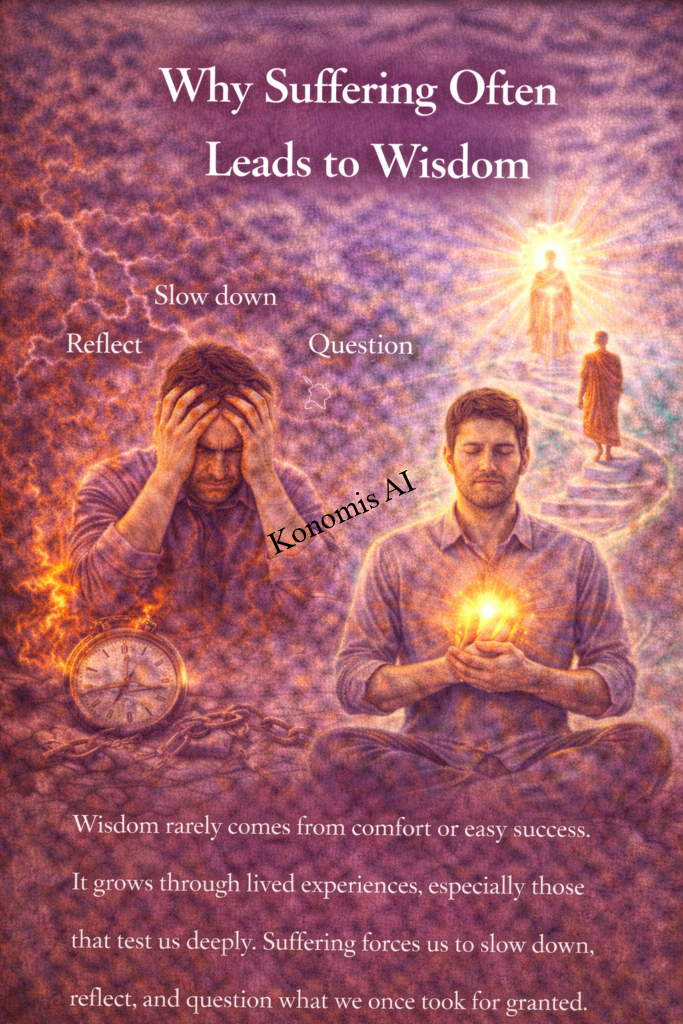
Suffering also teaches patience and humility. It shows us our limits and reminds us that growth takes time. These lessons cannot be rushed or taught; they must be experienced.
Wisdom isn’t learned from words alone—it’s lived through moments that shape perspective. Painful as it may be, suffering often becomes the teacher that transforms experience into insight and hardship into lasting understanding.
Why Struggle Builds Resilience
Struggle plays a crucial role in building resilience. When life is easy, there is little reason to adapt or grow. Comfort keeps us stable, but it doesn’t make us stronger.
Resistance forces development. Just like muscles grow when they are challenged, the mind and spirit grow when they face difficulty. Each struggle pushes us to adjust, endure, and keep moving forward.
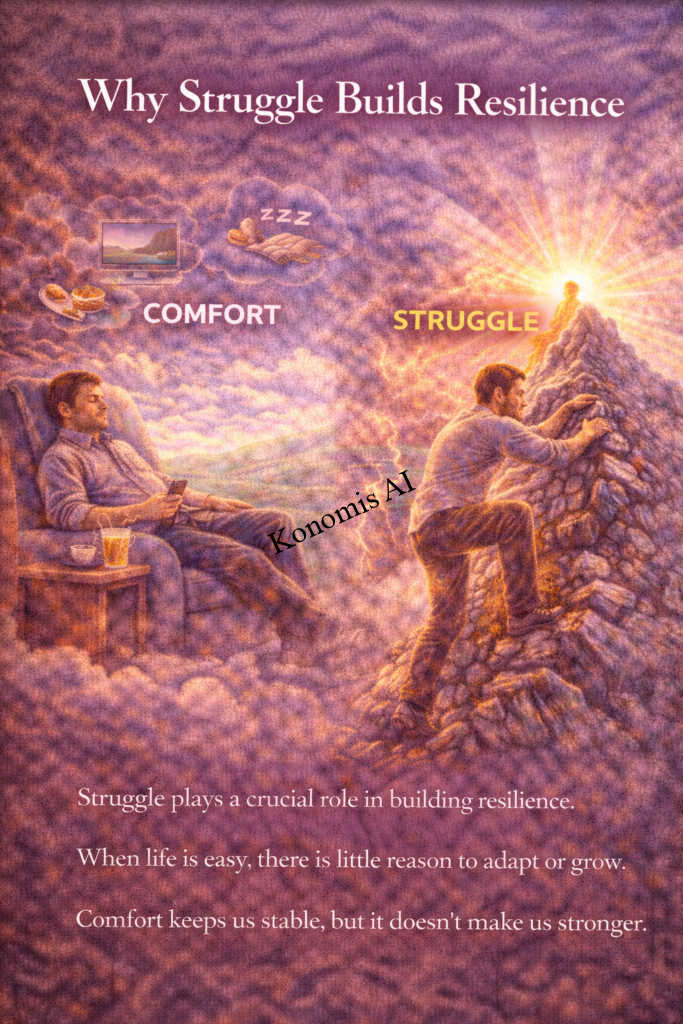
Through repeated challenges, resilience is formed. We learn how to handle stress, recover from setbacks, and stay steady during uncertainty. What once felt overwhelming gradually becomes manageable.
Resistance creates strength—just like muscles. Every struggle adds a layer of toughness, preparing us to face future challenges with greater confidence, endurance, and inner stability.
How to Embrace Bitter Experiences Without Fear
Accepting Pain as Part of Growth
Pain is often misunderstood as something negative or unfair. We tend to see it as punishment for mistakes or bad luck. In reality, pain is a natural part of growth, not a sign of failure.
When we accept pain instead of resisting it, its purpose becomes clearer. Pain slows us down, forces reflection, and highlights areas where change is needed. It prepares us for stronger decisions and wiser actions.
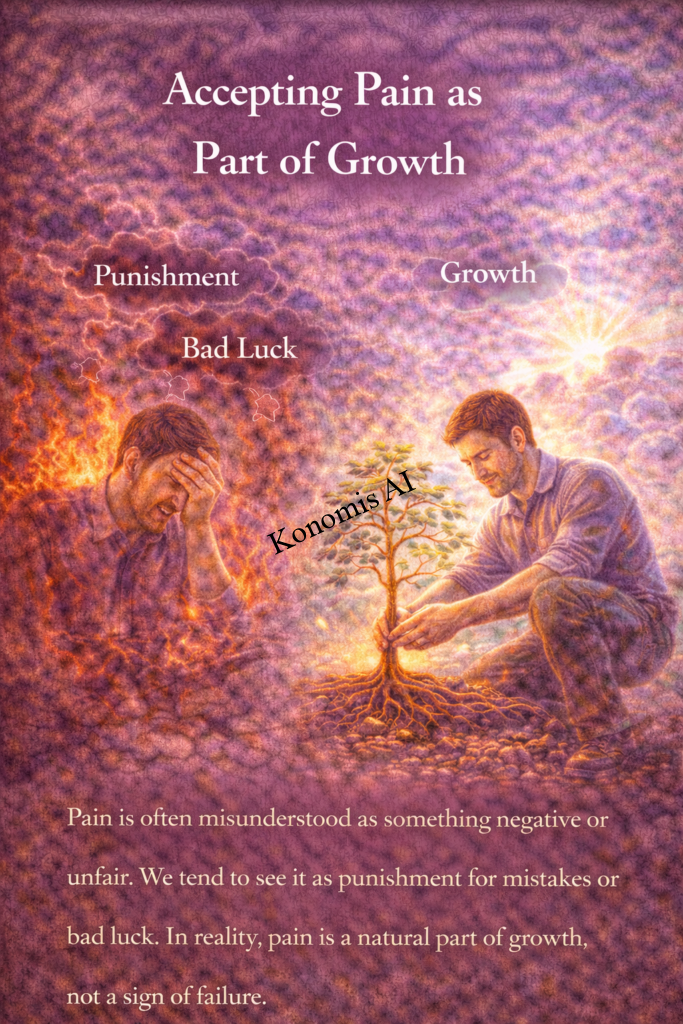
Avoiding pain only delays growth. Facing it with awareness allows lessons to surface and healing to begin. Acceptance turns suffering into understanding.
Pain isn’t punishment—it’s preparation. When embraced with the right mindset, it strengthens character, deepens insight, and equips us for challenges that lie ahead.
Building Mental Toughness
Mental toughness isn’t developed during easy days. When life is comfortable, the mind stays relaxed and untested. Strength is built only when challenges demand effort and resilience.
Tough times push the mind beyond its limits. They force focus, patience, and emotional control. Each difficulty becomes a test of endurance, teaching us how to stay steady under pressure.
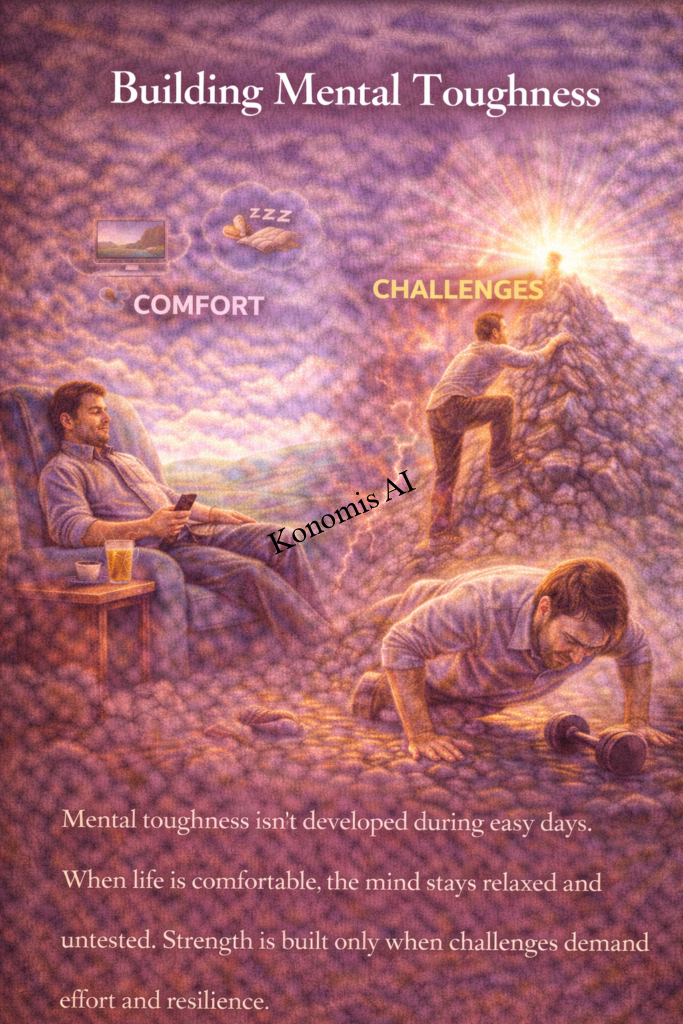
Over time, repeated challenges train the mind to handle stress without breaking. What once felt overwhelming becomes manageable. Confidence grows as we realize we can survive more than we imagined.
Tough times build tougher minds. Every struggle strengthens mental resilience, preparing us to face future challenges with calm, clarity, and inner strength.
Turning Pain into Power
Pain carries a powerful energy. When something hurts deeply, it creates intensity—emotion, focus, and urgency. This raw energy can either drain us or drive us, depending on how we choose to use it.
If pain is ignored or suppressed, it turns into frustration or weakness. But when it is acknowledged and understood, it becomes fuel for change. Pain sharpens awareness and pushes us to act differently.
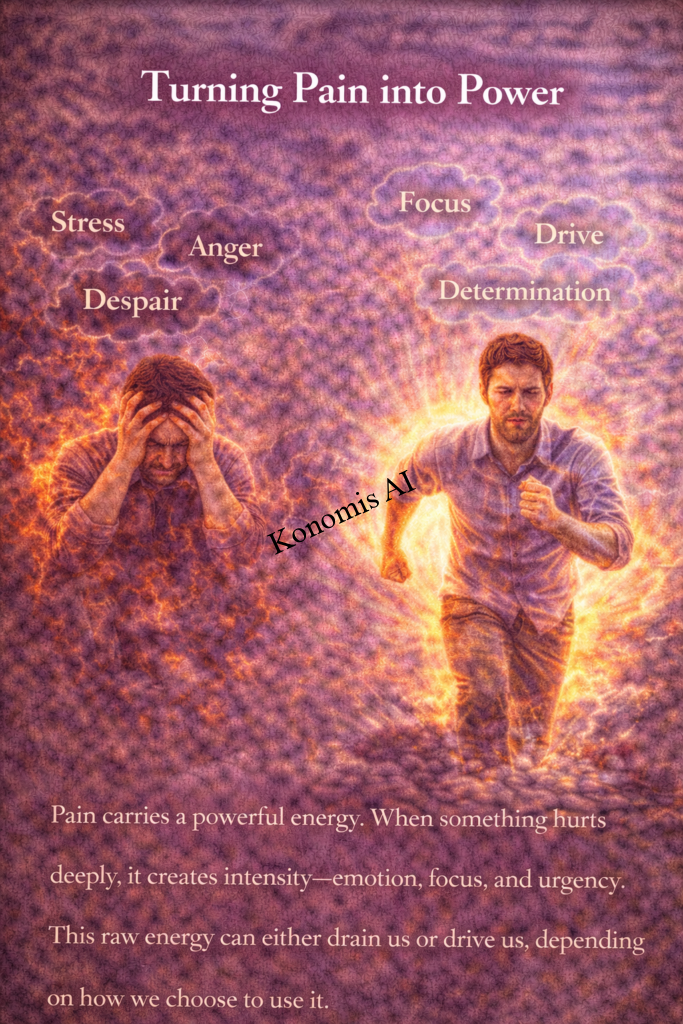
Many people find their greatest strength after their hardest moments. Pain motivates growth, discipline, and determination. It can spark creativity, resilience, and renewed purpose.
Pain is raw energy—use it wisely. When directed with intention, it transforms suffering into strength and hardship into personal power that moves life forward.
Conclusion – Bitter Today, Better Tomorrow
Bitter experiences are painful, but they are not meant to destroy us. They hurt in the moment, yet they don’t harm us unless we refuse to learn from them. Each difficult experience carries a lesson designed to strengthen and shape us.
These moments sharpen our awareness and ground us in reality. They remove illusions, build resilience, and prepare us for challenges that lie ahead. What feels like suffering today often becomes strength tomorrow.

The pain may fade with time, but the lessons remain. They guide our decisions, shape our character, and influence how we respond to life. When we choose learning over resistance, bitterness turns into wisdom.
Bitter today, better tomorrow—that is the quiet promise of every hard experience. Growth begins when pain is understood, not avoided, and transformation follows when lessons are embraced.
Remember this: sweet moments make memories, but bitter experiences make wisdom.
FAQs
Why do bitter experiences teach better than happy moments?
Because pain creates emotional impact and long-term memory.
Can bitter experiences make someone stronger?
Yes, when reflected upon, they build resilience and clarity.
How can I avoid becoming bitter after bad experiences?
Focus on lessons, not losses.
Are bitter experiences necessary for success?
Almost every success story includes failure and hardship.
How long does it take to heal from bitter experiences?
Healing varies, but learning can begin immediately.
You Can Also Read
https://www.bmcm.org/inspiration/thought-day/i-have-learned-through-bitter-experience
Konomis AI Thoughts
 Copyright 2023 CONOMIS