
Table of Contents
Introduction
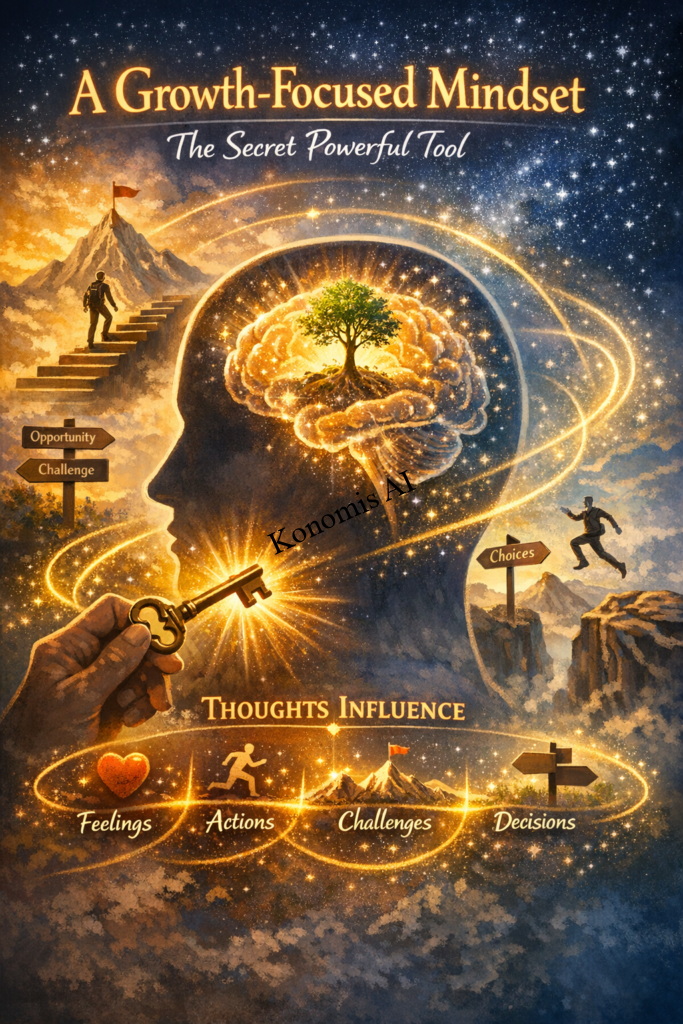
A positive, growth-focused mindset is like a secret powerful tool that everyone carries, but only a few people actually use wisely. The way we think influences everything—how we feel, how we act, how we face challenges, and how we make decisions. It becomes the invisible force that guides our life in every direction.
In personal life, a strong mindset allows us to stay calm during hard times, build meaningful relationships, and move forward no matter what happens. In our career, mindset helps us believe in our abilities, learn from failures, and grow step by step. Even our health is affected by how we think—stress, motivation, habits, and emotional balance are all controlled by our mindset.
Finance is another area where mindset plays a huge role. Some people fear money and avoid taking smart financial steps. Others with a confident, growth mindset see opportunities to earn, invest, and create wealth. The difference isn’t luck—it’s mindset.
So, mindset silently shapes our entire life. When we choose a positive, growth-oriented mindset, we start seeing opportunities where others see problems. We react with patience, think with clarity, and attract better outcomes. In short, mindset is not just thinking—it’s the foundation of who we become.
Introduction to Mindset
What Exactly Is Mindset?
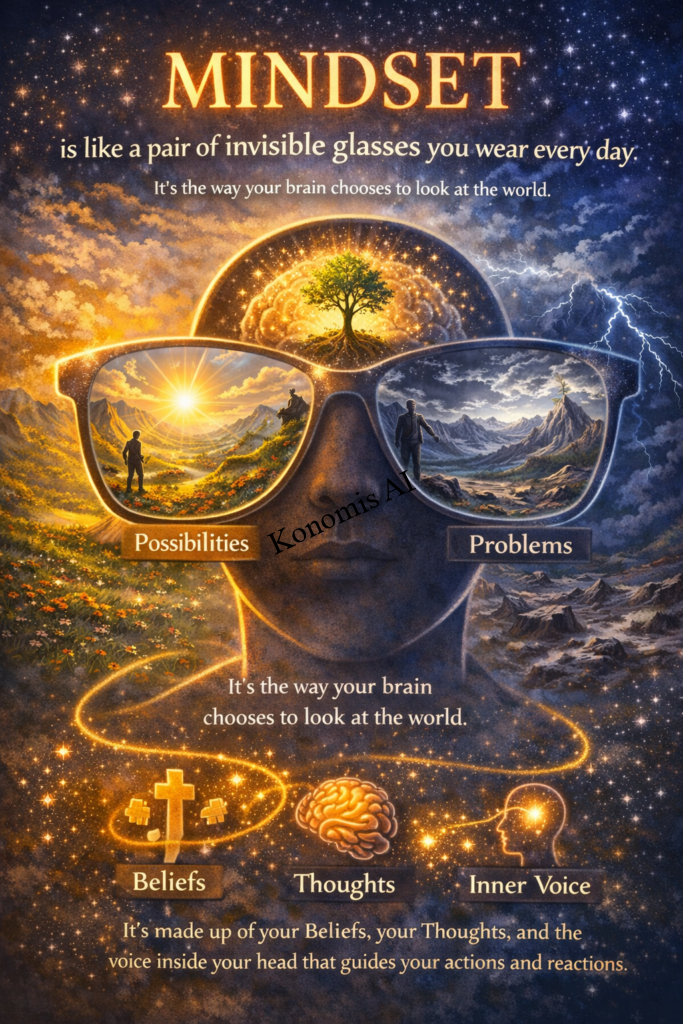
Mindset is like a pair of invisible glasses you wear every day. It’s the way your brain chooses to look at the world. Whether you see life as full of possibilities or full of problems depends on your mindset. It’s made up of your beliefs, your thoughts, and the voice inside your head that guides your actions and reactions.
Your mindset influences how you respond to situations. If you face a challenge, your mindset decides whether you feel scared or confident, stuck or curious. With a negative mindset, you might focus on what’s missing or what could go wrong. With a positive mindset, you notice what you can learn, what you can do, and how you can improve.
So, mindset isn’t just about thinking—it’s about shaping your everyday experiences. It determines whether you feel limited or capable, whether you live with fear or step forward with courage.
Why Mindset Shapes Everything Around You
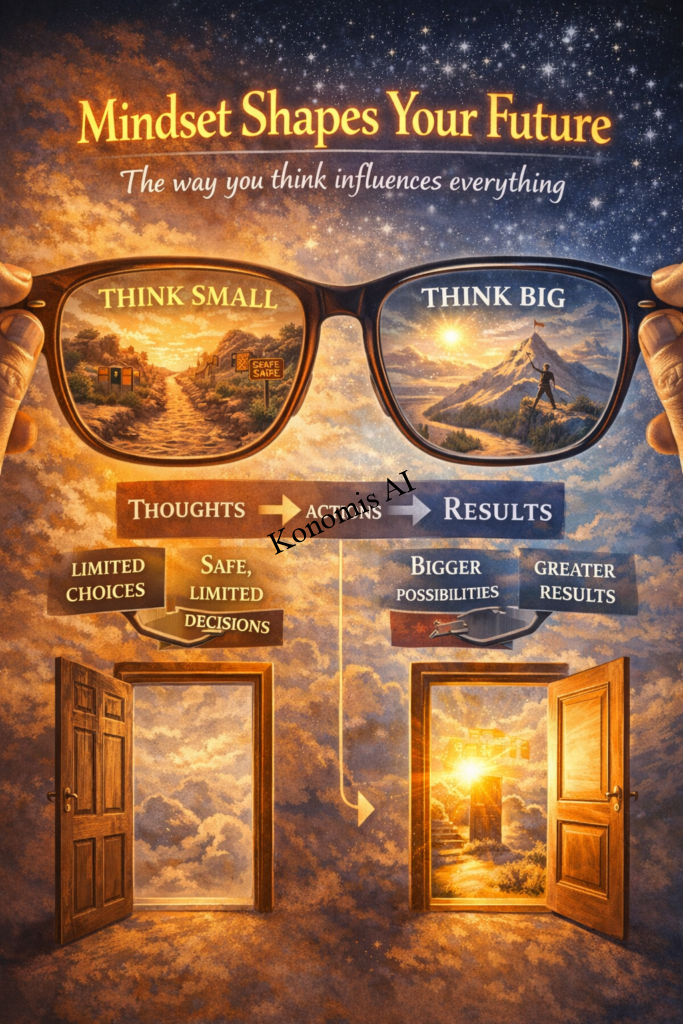
Mindset plays a huge role in how your life turns out because it influences every choice you make. Your thoughts guide your actions, and your actions create your results. If you think small, you make safe, limited decisions. Naturally, you end up with small, predictable results. But when you think big, you start believing in bigger possibilities, trying new things, and chasing meaningful goals. That opens the door to bigger opportunities.
The way you think determines how confident you are, how you handle challenges, and how you move forward in life. A strong mindset helps you take smart risks, learn from failure, and grow instead of getting stuck. A weak mindset keeps you afraid, doubtful, and limited.
Simply put, mindset is like the foundation of a building. If the foundation is strong, the building stands tall. If your mindset is strong, your life becomes stronger and more successful.
Why Mindset Is Useful in Life
A Tool to Navigate Challenges
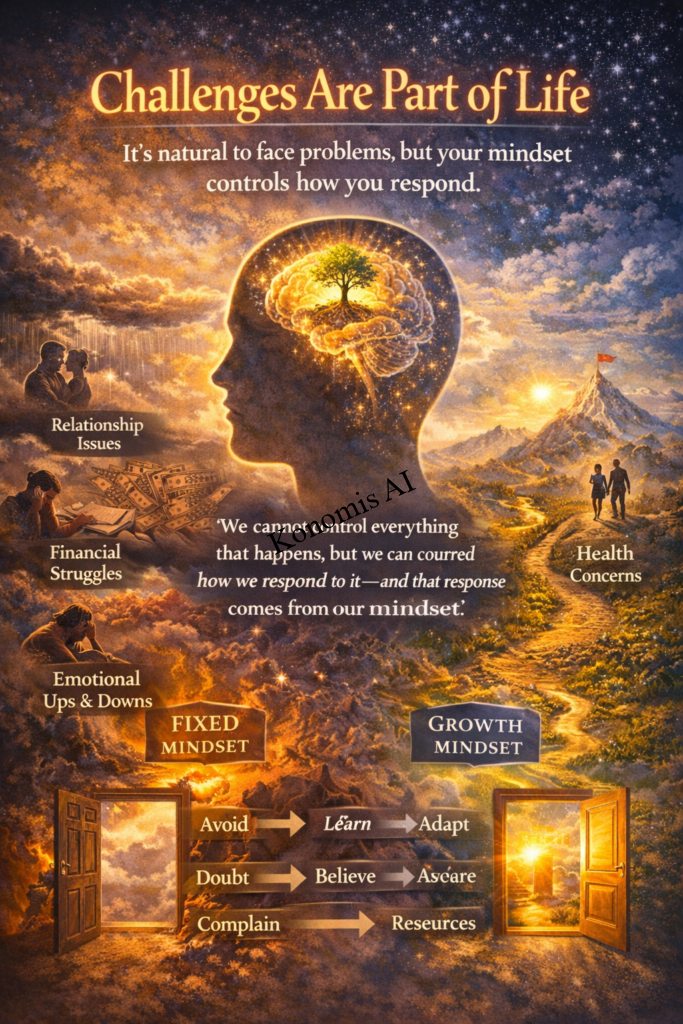
Challenges are a natural part of life. Whether it’s relationship issues, financial struggles, health concerns, or emotional ups and downs, everyone faces problems at some point. We cannot control everything that happens, but we can control how we respond to it—and that response comes from our mindset.
A strong mindset works like protective armor. Instead of feeling attacked by problems, you start looking at them differently. You don’t see them as something meant to hurt you, but as lessons that are here to teach you something valuable. Challenges begin to look like stepping stones instead of roadblocks.
With the right mindset, you can stay calm, think clearly, and make better decisions during tough situations. You stop overreacting and start learning. The issue doesn’t disappear immediately, but you become stronger and wiser while dealing with it. In this way, mindset helps you navigate life’s challenges with courage and confidence.
How Mindset Shapes Daily Habits
Our daily habits are not random—they are shaped by the way we think. Every action starts with a thought. When you think positively, you naturally begin to act in ways that support your goals. For example, believing in yourself can motivate you to wake up earlier, work harder, exercise, or try something new. A positive mindset pushes you to take productive steps without forcing yourself too much.
On the other hand, a negative mindset often leads to procrastination, doubt, and fear. If you keep thinking, “What if I fail?” or “I’m not good enough,” you stop yourself before you even begin. This creates habits like avoiding tasks, delaying plans, or giving up easily.
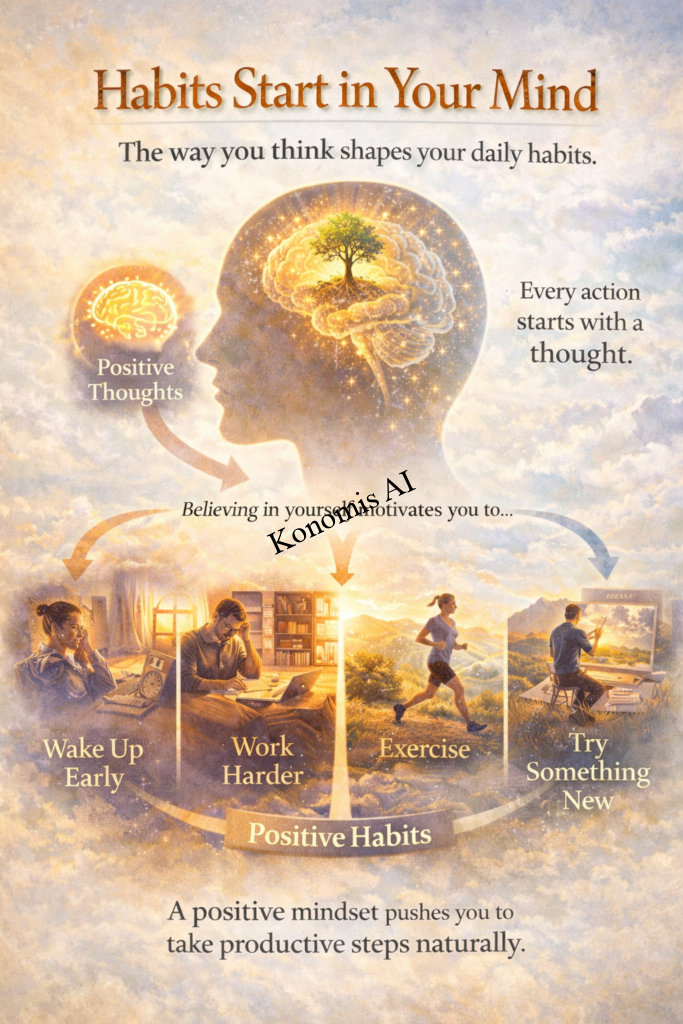
The good news is that even a small shift in your mindset can start a big change in your habits. Just one new positive thought can trigger better routines. Over time, these positive habits create a healthier, more successful lifestyle.
Positive Thinking and Emotional Resilience
Having a positive mindset doesn’t mean your life will be free from problems. It simply means you learn how to deal with them in a better way. People with a positive mindset don’t break easily when something goes wrong. They bounce back faster because they understand that challenges are temporary and can be overcome.
Instead of running away from difficulties, they face them with patience and strength. They know that tough situations are a part of life and often teach valuable lessons. This attitude helps them stay calm even under stress.
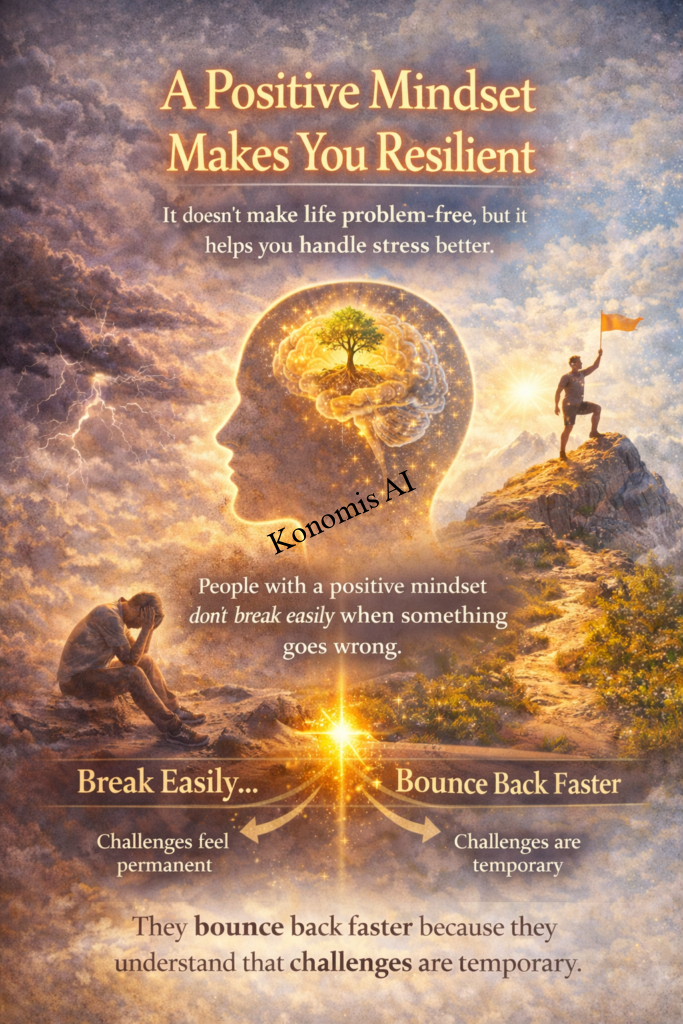
You can think of them like a calm warrior—strong on the inside, not shaken by storms. They control their emotions instead of letting emotions control them. This emotional balance helps them solve problems wisely rather than reacting out of panic or frustration. Positive thinking gives them the courage to stand strong and move forward regardless of what life throws at them.
Importance of Mindset in Finance
How Successful Investors Think
Successful investors don’t just rely on money, knowledge, or luck. What truly sets them apart is their mindset. If you look at people like Warren Buffett, Elon Musk, or Ray Dalio, they all share a similar belief: mindset is about 80% of success in investing. They understand that markets go up and down all the time, and instead of panicking, they stay calm and think long-term.
When the market drops, most people start worrying and make emotional decisions. Some sell too early out of fear, while others rush to buy out of greed. Successful investors don’t react emotionally. They wait, study, understand trends, and act with patience. They know that market losses are not permanent mistakes—they are part of the journey.

These investors view money as a tool for growth, not something to fear. They aren’t chasing quick profits; instead, they focus on building stable wealth over years. They are willing to wait, learn from mistakes, and trust the process. Their mindset helps them stay disciplined even when others panic.
In simple words, successful investors win not because they predict the market perfectly, but because they stay calm, think clearly, and believe in long-term growth. Their mindset is their biggest asset.
Mindset and Financial Decision-Making
The way we think about money affects every financial decision we make. Many people believe that money problems come only from lack of income, but in reality, most problems come from the mindset we hold about money. Different mindsets lead to different financial habits.
For example, if you have a fear mindset, you constantly worry about losing money. Because of this, you avoid investing or taking any financial step that could help you grow. You stay stuck and never build wealth.
If you have a scarcity mindset, you believe money is hard to get and easy to lose. So you oversave, cut every expense, and never give yourself the chance to grow. You protect money, but you never multiply it.
If you have a greedy mindset, you chase quick profits without proper knowledge. You take risky decisions, hoping to get rich fast, and often end up losing more.
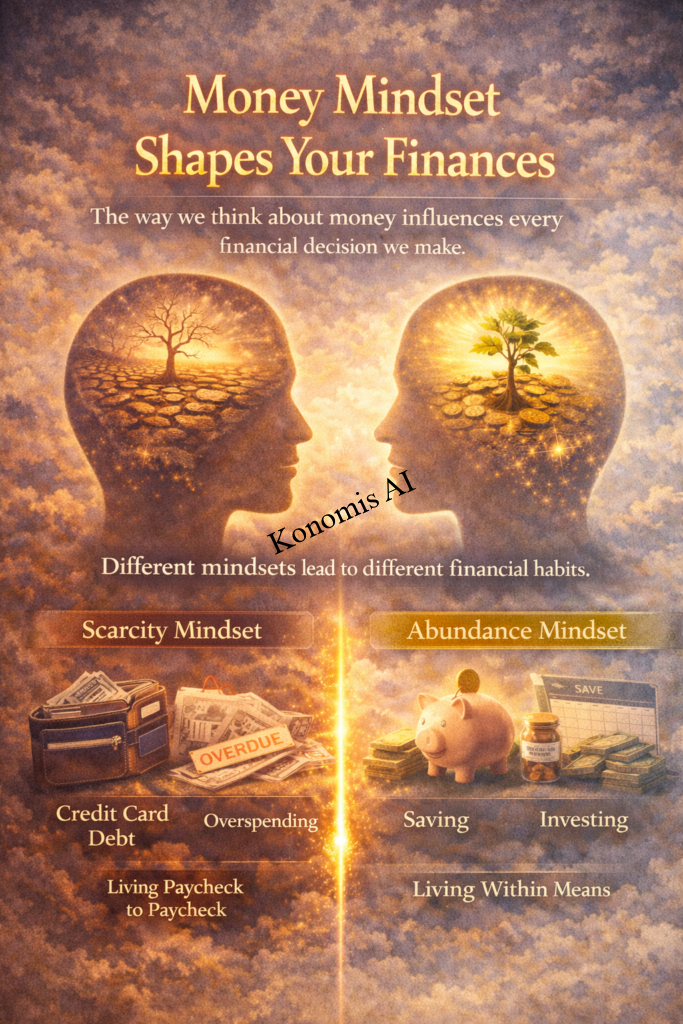
But when you develop a growth mindset, everything changes. You start seeing opportunities instead of risks. You learn, make informed decisions, and focus on long-term growth. You don’t fear money, rush for money, or hide money—you use it wisely.
In simple words, the right mindset doesn’t just build wealth; it builds the wisdom to handle wealth.
Money Blocks vs Wealth Mindset
The way we think about money often decides whether we grow financially or stay stuck. Many people don’t even realize that their financial struggles come from hidden beliefs called money blocks. These beliefs stop them from earning more, investing, or building wealth. A person with a money block mindset says things like:
- “I don’t deserve wealth.”
- “Money is risky.”
- “Rich people are lucky.”
These thoughts create fear, guilt, and doubt around money. Because of that, people avoid financial opportunities and stay stuck in the same place for years. They believe money is either dangerous or only for “special” people.
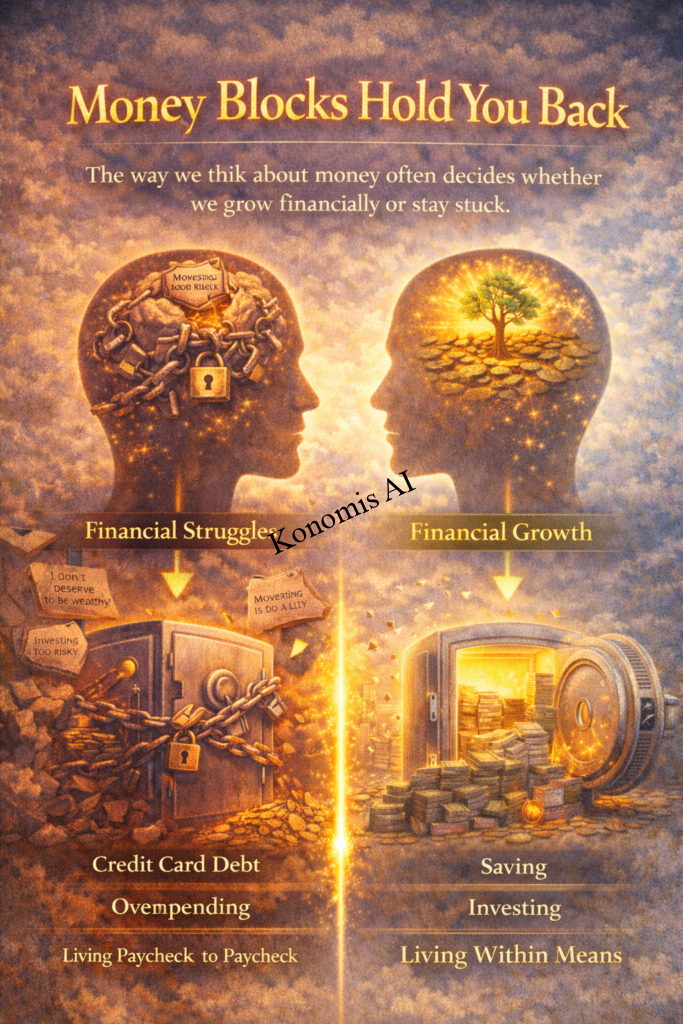
On the other hand, someone with a wealth mindset sees money differently. They believe:
- “Money is a tool.”
- “I can grow.”
- “Opportunities are everywhere.”
With this mindset, they don’t fear money; they learn how to use it wisely. They invest, gain financial knowledge, and make confident decisions. They don’t wait for luck—they create their own opportunities.
In simple words, financial success isn’t just about how much you earn. It’s about what you believe. If you change your mindset about money, your financial life slowly begins to change too. The right beliefs attract the right results.
Mindset as a Tool to See Opportunities
Turning Problems Into Possibilities
It’s amazing how two people can face the exact same situation, yet react in completely different ways. One person looks at a problem and immediately feels stuck, believing there’s no way forward. The other person sees the same problem and starts looking for solutions or hidden opportunities. The only difference between them is mindset.
When you have the right mindset, problems stop feeling like roadblocks. Instead, they start to look like lessons. Difficult moments teach you new skills, test your patience, and push you to grow stronger. What once felt like a dead end can become a doorway to something better.

Challenges become stepping stones when you learn from them instead of running away. Every time you overcome a problem, your confidence grows. So, rather than asking, “Why is this happening to me?” try asking, “What is this trying to teach me?” That simple shift can change your entire life.
How Optimism Attracts Success
When you choose to think positively, something powerful happens—you start giving out a different kind of energy. A positive mindset doesn’t just make you feel better on the inside; it affects how people respond to you on the outside. Others naturally feel more comfortable, more trusting, and more willing to connect with you. People like being around someone who brings hope rather than fear, solutions rather than complaints.
With optimism, you don’t just sit and wait for opportunities—you notice them more clearly. You’re open to learning, willing to try, and confident enough to take action. That attitude makes it easier for your efforts to pay off. Instead of forcing success, success gets attracted to you.
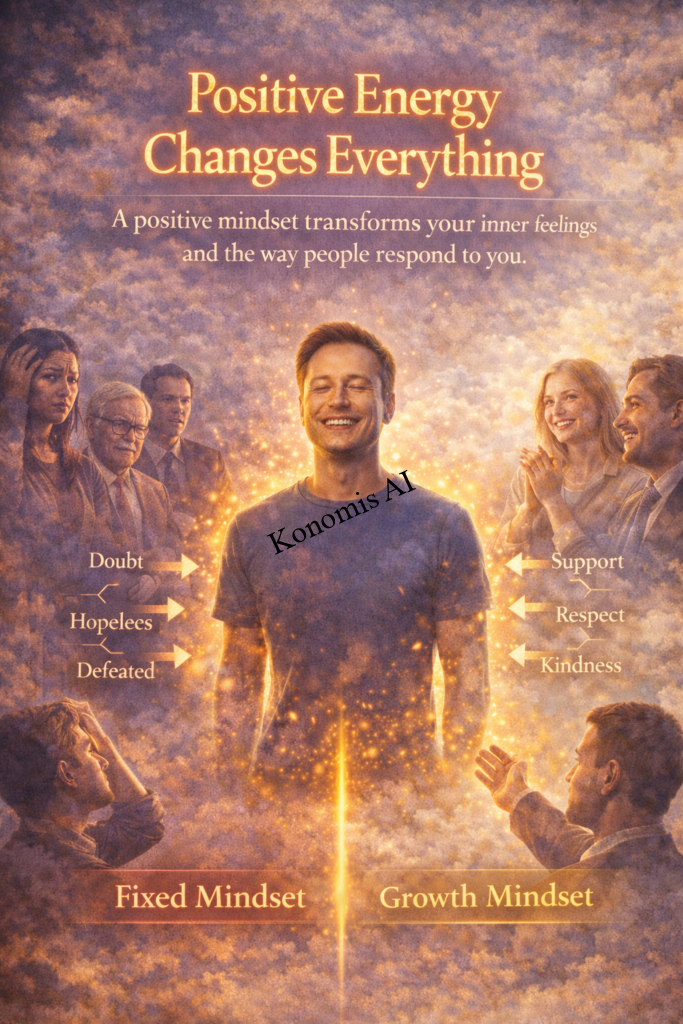
Think of positivity as a magnet. When you stay hopeful and focused, you draw good people, better decisions, and meaningful chances toward you. In simple words, a positive mindset doesn’t just feel good—it works like a doorway that leads you to success.
The Law of Attraction and Mindset
The idea behind the law of attraction is simple: your thoughts act like magnets. What you think about repeatedly shapes your behavior, your confidence, and eventually, your results. When you focus on positive goals, solutions, or opportunities, you start noticing ways to reach them. In the same way, when you constantly think negatively, you begin to attract more stress, fear, and disappointment into your life.
This isn’t magic or wishful thinking—it’s psychology. Your brain pays attention to what you constantly focus on. If you keep thinking, “I can do it,” your actions will support success. If you keep thinking, “I will fail,” you won’t even try properly, and that naturally leads to failure.

Simply put, your mind builds the path you walk on. Focus on growth, and you’ll find more ways to grow. Focus on fear, and fear will control your choices. You attract what you consistently think about.
Eliminating Negativity Through Mindset
Recognizing Negative Patterns
Before we can change our mindset, we must first become aware of the negative patterns that are holding us back. Many people don’t realize that their habits and thoughts are quietly shaping their life every day. Negative thinking isn’t always loud or obvious—it often hides in simple behaviors.
Common signs of a negative mindset include:
- Constantly complaining about situations or people
- Always expecting the worst outcome before trying
- Blaming others instead of taking responsibility
- Feeling stuck, lost, or unable to move forward
These patterns drain your motivation and block growth. They stop you from seeing opportunities and make problems feel bigger than they actually are.
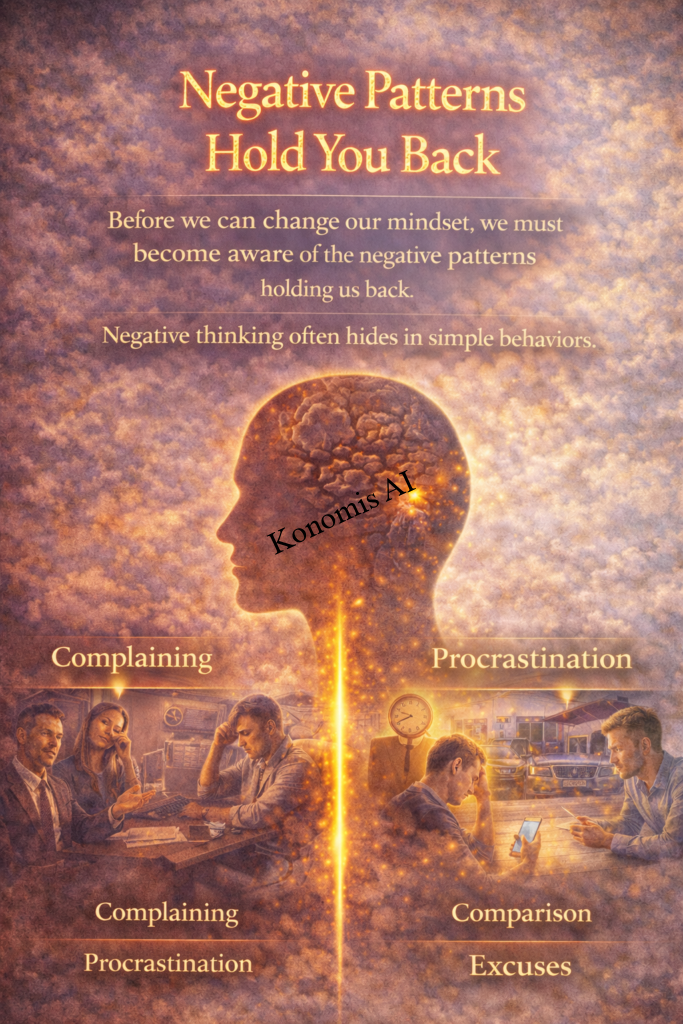
The truth is, you cannot change what you cannot see. The first step to a better mindset is recognizing when negative thinking shows up. Once you identify it, you can challenge it, replace it, and begin building a more positive and empowering way of thinking.
How Positive Mindset Filters Out Toxicity
A positive mindset acts like a natural filter that protects your mental and emotional space. When your mindset is strong, you begin to recognize what supports your growth and what drains your energy. This awareness helps you slowly distance yourself from negativity—whether it comes from people, environments, or even your own thoughts.
With a healthy mindset, you stop absorbing negative comments or toxic behavior. You no longer feel the need to please everyone or stay in situations that make you unhappy. Instead, you learn to walk away calmly and choose what’s better for your peace.
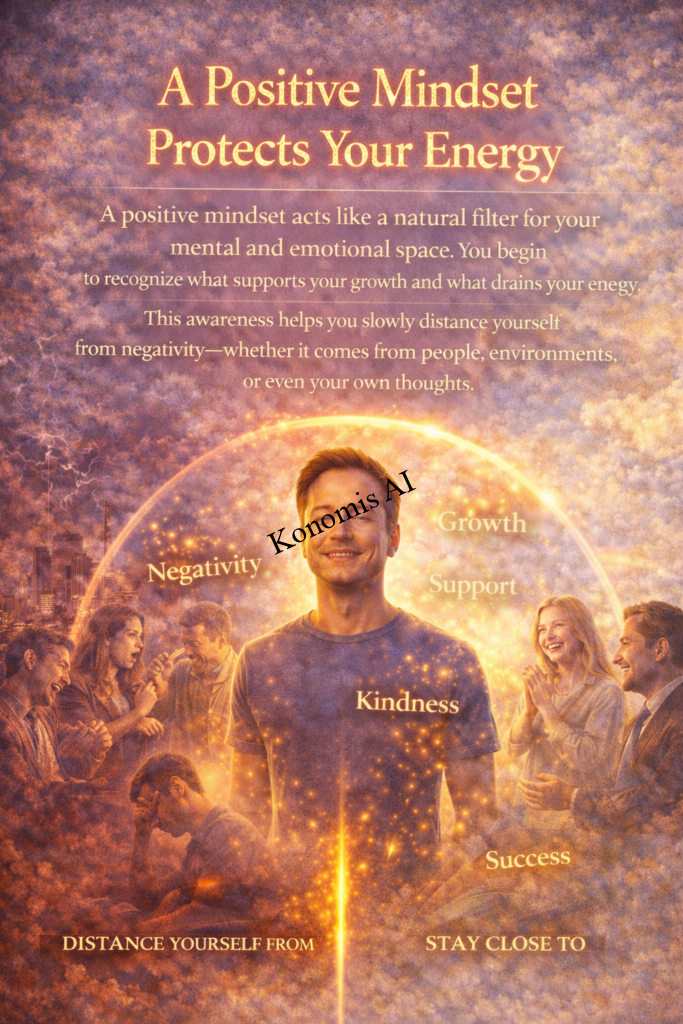
Most importantly, a positive mindset helps you control the negative voice inside your own head. You start replacing self-doubt with self-belief, and fear with confidence. As this inner strength grows, toxic things naturally lose their power over you.
In simple words, a strong mindset doesn’t just attract good things—it also protects you from what harms you.
The Science Behind Rewiring Your Brain
Your brain isn’t fixed or unchangeable—science shows it can grow and adapt throughout your life. This ability is called neuroplasticity, and it proves that your thoughts can shape your brain just like exercise shapes your muscles. Every time you repeat a thought, your brain strengthens that pathway. So, if you constantly think negatively, those negative loops become stronger and more automatic.
But here’s the good news: the brain can also unlearn old patterns and learn new ones. With consistent practice—like positive affirmations, mindfulness, journaling, or simply redirecting your thoughts—you can slowly delete those negative loops. They get replaced by healthier, more empowering beliefs.
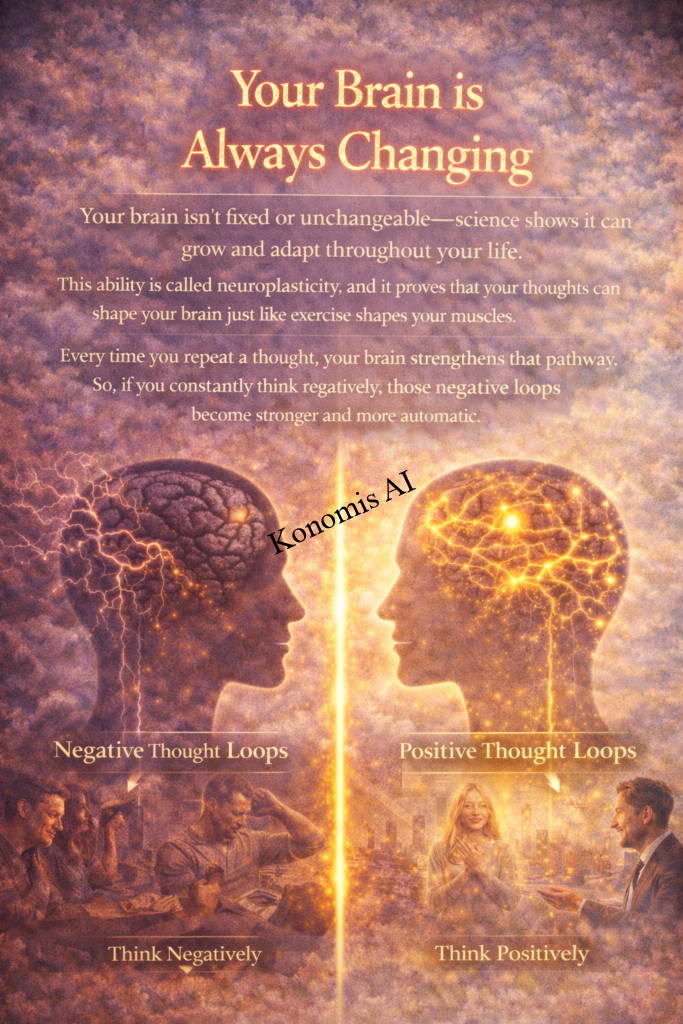
It’s not an overnight change, but with repetition and awareness, your brain starts choosing positivity naturally. You become calmer, more confident, and more focused because your mind is literally rewiring itself for growth. In simple terms, you can train your brain to support the life you want.
Mindset of Highly Successful People
How the Ultra-Successful Think
Ultra-successful people are not simply born lucky—they build their success through a strong and well-trained mindset. They understand that achievements don’t happen overnight; they come from consistent effort and the right mental habits. Their thoughts, reactions, and decisions all reflect the mindset they’ve developed over time.

Their success usually revolves around four key qualities:
- Discipline: They show up even when they don’t feel like it.
- Confidence: They believe in their abilities and trust their long-term vision.
- Vision: They think beyond today and focus on what they want to create in the future.
- Resilience: They bounce back quickly when things go wrong.
This way of thinking helps them stay focused, handle failures without breaking down, and take bold actions when others hesitate. They don’t wait for motivation—they create it. Their mindset becomes their biggest advantage, helping them turn goals into reality and challenges into opportunities.
Common Habits of Successful Mindsets
People with successful mindsets share certain habits that set them apart. These habits are not accidental—they are practiced daily and become part of who they are.
First, they don’t quit easily. When challenges come, they don’t run away or complain. Instead, they try again, adjust their approach, and keep moving forward.
Second, they focus on solutions, not problems. Instead of getting stuck in “why did this happen?”, they ask “how can I fix it?” This simple shift helps them stay productive and calm.

Third, they think long-term. They don’t chase quick wins or overnight success. They make decisions that will benefit them in the future, even if it takes time.
Lastly, they learn nonstop. Successful people are always reading, asking questions, improving skills, and staying curious. They know growth never ends.
These habits build a mindset that attracts success naturally—one step, one decision, one improvement at a time.
How They Build Mental Strength Over Time
Mental strength doesn’t appear overnight—it’s built slowly through daily practice, just like building muscles in the gym. Successful people understand that consistency is more powerful than intensity. They don’t wait for the perfect moment to improve themselves; they work on their mindset every single day.
They practice habits such as reading, reflecting, setting goals, and staying disciplined even when they don’t feel motivated. Each small effort adds a new layer of strength. Over time, these small actions turn into powerful routines that shape their thinking and behavior.

They also learn from failures instead of being discouraged by them. Every setback becomes a chance to grow, improve, and become mentally tougher.
This repeated cycle—try, learn, improve—is what builds real mental strength. It’s not magic or luck; it’s the result of steady training. The more they train their mind, the stronger, calmer, and more confident they become in every situation.
How an Ordinary Person Can Cultivate the Right Mindset
Identify Your Current Mindset
Before you can change your mindset, you first need to understand what kind of mindset you currently have. This step is called self-awareness, and it’s the foundation of all personal growth. Without awareness, change is impossible.
Take a moment to observe your thoughts, reactions, and habits. How do you respond to challenges—do you panic or stay calm? When something goes wrong, do you blame yourself, others, or look for solutions? These small reactions reveal a lot about your mindset.
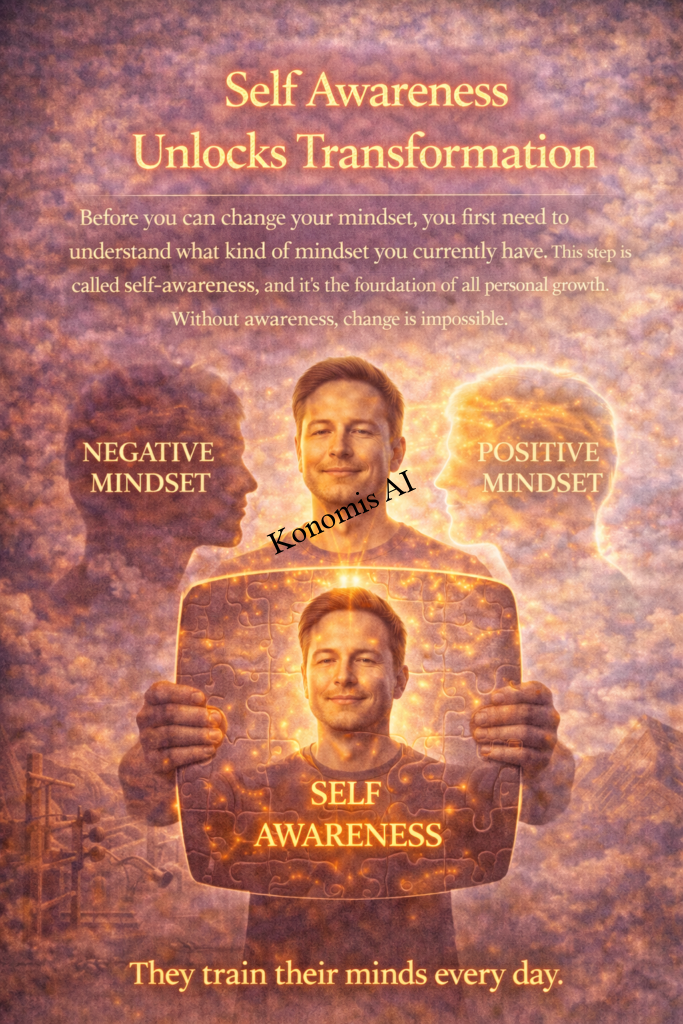
Notice the way you talk to yourself. Is your inner voice supportive or critical? Do you believe you can grow, or do you often feel stuck? There are no right or wrong answers here—only honest ones.
Self-awareness isn’t about judging yourself. It’s about understanding yourself. Once you clearly see where you stand mentally, you can begin transforming your thoughts, habits, and beliefs in a positive direction.
Signs of a Negative Mindset
A negative mindset often shows up quietly in everyday thoughts and behaviors. One clear sign is when fear dominates your decisions. Instead of asking, “What can I learn?” you ask, “What if I fail?” This fear keeps you from trying new things.
Another sign is constant comparison. When you keep comparing your journey to others, you feel discouraged and lose confidence. Everyone grows at a different pace, but a negative mindset makes you forget that.
If you give up easily, it may be because deep down you don’t believe your efforts will pay off. Small obstacles start to feel like big walls.
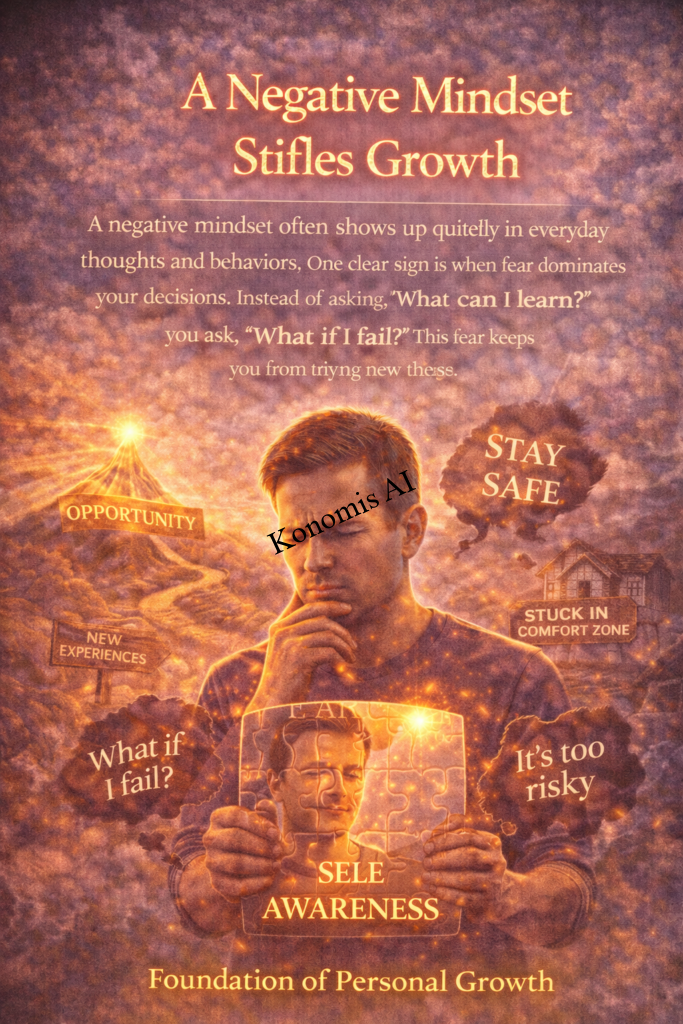
Lastly, expecting failure becomes a habit. You assume things won’t work out even before you begin, which kills motivation.
Recognizing these signs is important. Once you see them clearly, you can slowly replace fear with confidence and doubt with belief in yourself.
Signs of a Positive Mindset
A positive mindset shows itself through small but powerful behaviors. One strong sign is curiosity. Instead of fearing the unknown, you want to learn, explore, and understand new things. You ask questions and stay open to growth.
Another sign is openness. You are willing to accept feedback, new ideas, and different viewpoints without feeling attacked. You understand that learning comes from listening, not from being perfect.

People with a positive mindset also show an eagerness to improve. They don’t settle for where they are. They look for ways to become better—step by step—without comparing themselves to others.
Finally, there is calmness under pressure. When things go wrong, you don’t panic. You stay balanced, think clearly, and handle situations with patience.
These signs indicate a mindset that supports growth, success, and inner peace.
Techniques to Develop a Powerful Mindset
Affirmations
Affirmations are positive statements you repeat to yourself daily. When you speak positivity into your mind, your subconscious listens and slowly starts believing it. Simple lines like “I am capable,” or “I am growing every day” can shift your inner dialogue over time.
Visualization
Visualization means imagining your success clearly in your mind. When you picture yourself achieving goals, your brain begins to move in that direction. The mind naturally works toward what it sees often.
Journaling
Writing your thoughts helps you understand yourself better. Journaling allows you to confront fears, release emotions, and gain clarity. It’s like having a private conversation with your own mind.

Learning From Failure
Failure is not the opposite of success—it’s part of it. Every failure teaches a lesson. When you learn instead of quitting, you grow stronger and wiser.
When to Start Developing the Right Mindset
Why “Now” Is the Only Right Time
There is no perfect time to change your mindset. If you keep waiting for the right moment, you may end up waiting forever. The truth is, your life will not change until your thoughts change. External situations may shift, but real transformation always starts from within.
Many people delay self-improvement by saying, “I’ll start tomorrow,” or “I’ll do it when things are better.” But this waiting is just another form of procrastination. It keeps you stuck in the same thinking patterns and leads to the same results.

Starting now doesn’t mean doing everything at once. It simply means becoming aware of your thoughts and choosing a better response today. One positive thought, one small action, one mindset shift is enough to begin.
When you change your thinking now, your future starts changing immediately. The best time to build the right mindset isn’t someday—it’s today.
Why Mindset Grows With Experiences
Mindset is not something you build in one day—it grows through experiences over time. Just like learning any skill, the more you practice positive thinking, self-awareness, and emotional control, the stronger your mindset becomes. Each experience, good or bad, adds a new lesson to your mental growth.
When you face challenges and handle them calmly, your confidence increases. When you fail and try again, your resilience improves. These real-life experiences slowly train your mind to respond better in the future.
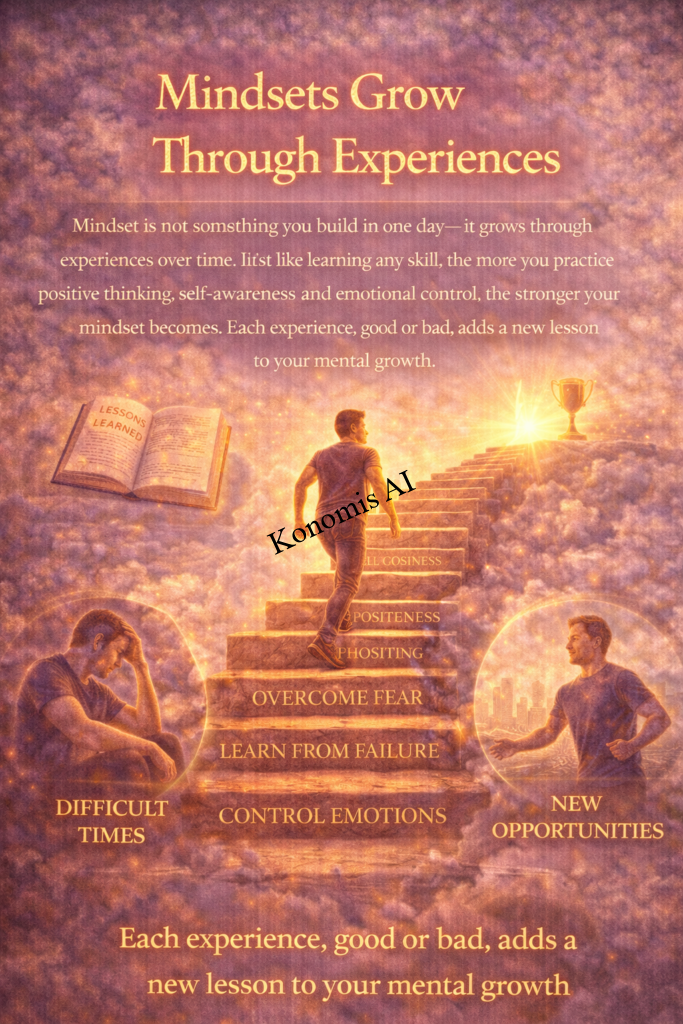
You don’t need to make big changes all at once. Starting small is enough. A small positive thought, a better reaction, or a calm response can create meaningful progress. Over time, these small steps turn into natural habits.
As you grow through experiences, your mindset becomes stronger, wiser, and more balanced. Growth feels natural because it happens step by step. That’s how mindset truly develops—through living, learning, and improving daily.
How Anyone Can Change From Negative to Positive Mindset
Awareness of Thought Patterns
The first step to changing your mindset is becoming aware of your thoughts. Most of the time, we think automatically without realizing what’s going on inside our mind. These thoughts quietly influence our emotions, decisions, and actions. That’s why awareness is so important.
Start by simply observing your thoughts throughout the day. When something goes wrong, notice what you tell yourself. Do you react with fear, anger, or self-doubt? Or do you stay calm and look for a solution? There is no need to judge or criticize yourself—just notice.
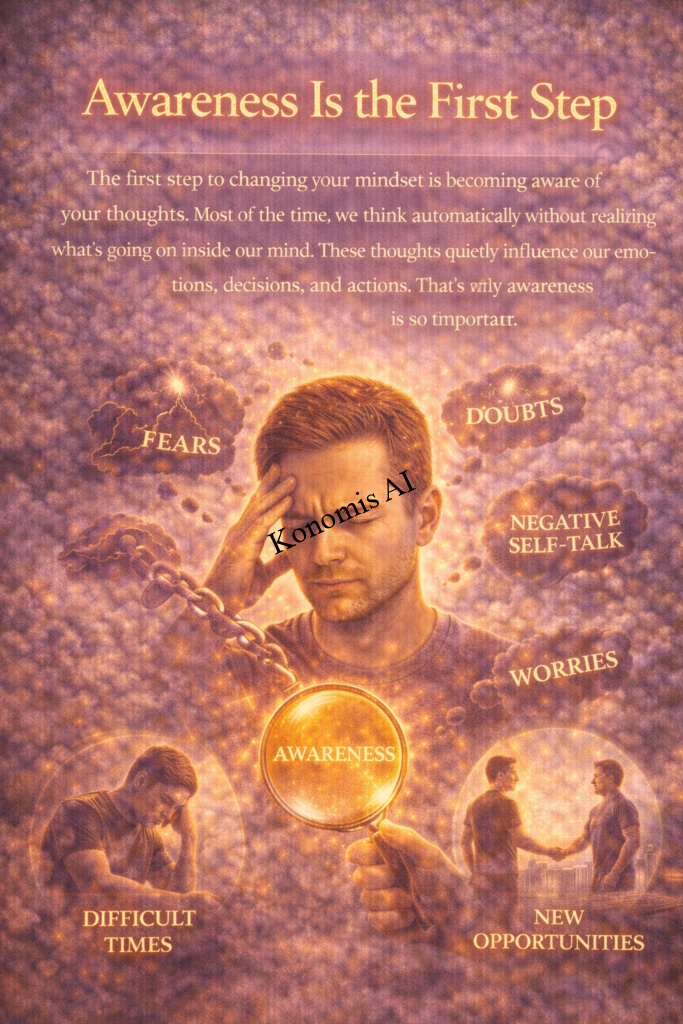
Think of it like watching clouds pass in the sky. You don’t chase them or fight them; you simply observe. In the same way, observe your thoughts without attachment.
Once you become aware of negative patterns, you gain power over them. Awareness creates space between you and your thoughts, and that space is where real change begins.
Replacing Negative Beliefs
Negative beliefs don’t disappear on their own—they need to be replaced consciously. Every negative belief follows a simple process, and once you understand it, change becomes much easier.
The first step is identifying the belief. Pay attention to thoughts like “I’m not good enough” or “I always fail.” These thoughts may feel true, but they are just habits of the mind.
The second step is challenging the belief. Ask yourself, “Is this really true?” or “Where is the proof?” Most negative beliefs fall apart when questioned.
The final step is replacing the belief with a healthier one. For example, replace “I can’t do this” with “I am learning and improving.”
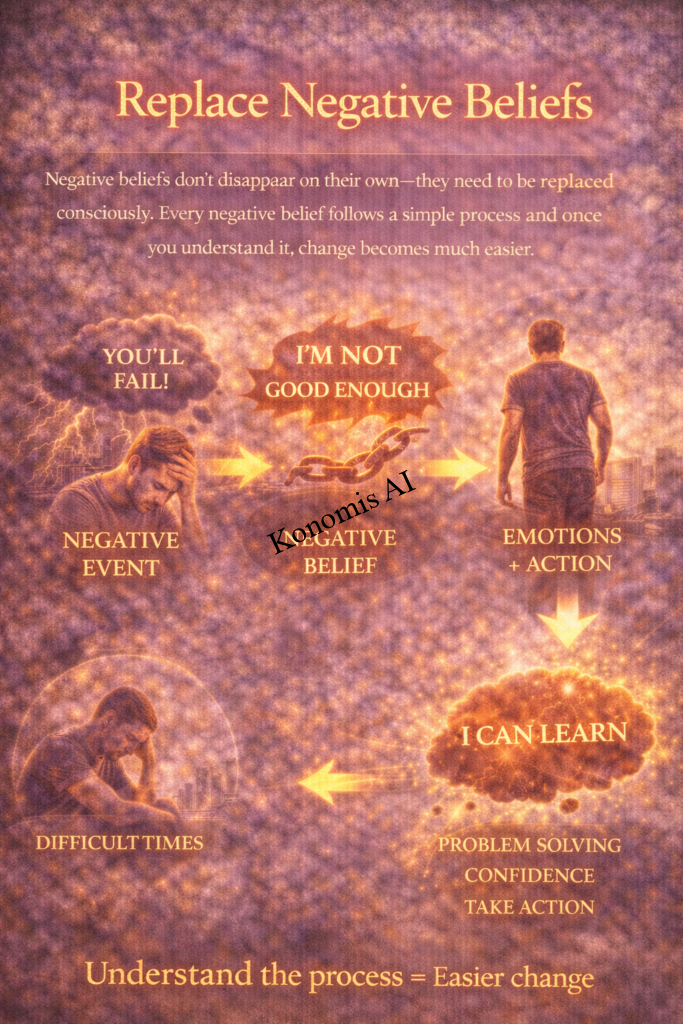
This process takes time and patience, but with repetition, your mind starts accepting the new belief. Slowly, negative thinking loses power, and a more positive, confident mindset begins to grow.
Daily Practices for Mindset Transformation
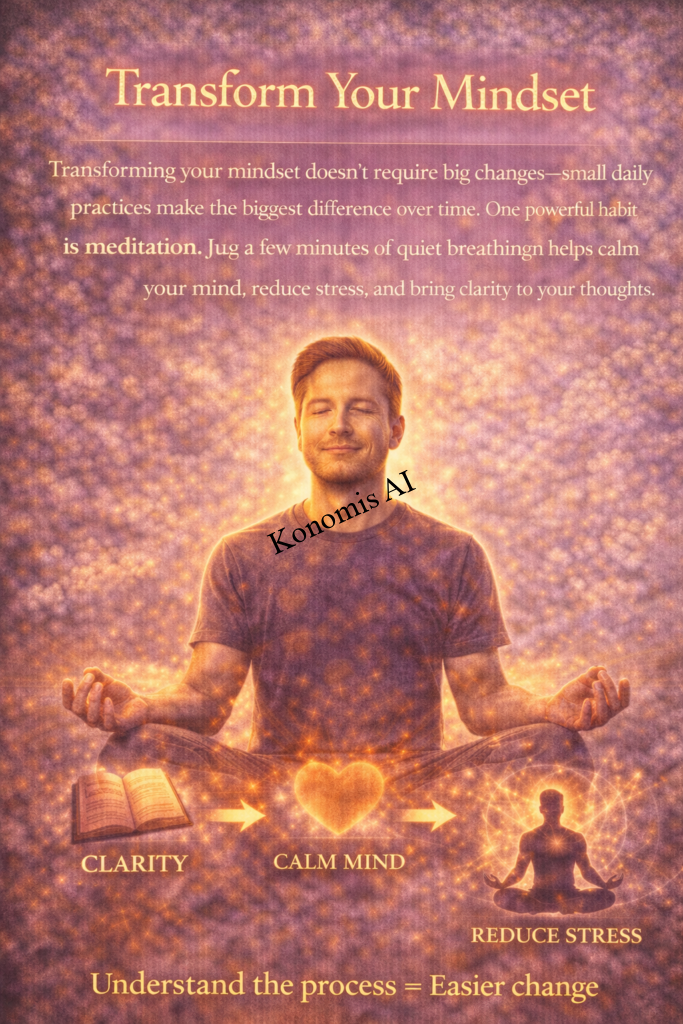
Transforming your mindset doesn’t require big changes—small daily practices make the biggest difference over time. One powerful habit is meditation. Just a few minutes of quiet breathing helps calm your mind, reduce stress, and bring clarity to your thoughts.
Another important practice is gratitude. Taking time each day to appreciate what you already have shifts your focus from what’s missing to what’s working. This simple habit instantly creates positivity.
Consuming positive content also plays a major role. What you read, watch, and listen to feeds your mind. Inspirational books, podcasts, or meaningful conversations help replace negativity with motivation and hope.
Lastly, staying around high-energy people boosts your mindset naturally. Positive, growth-focused people inspire you to think better, act better, and believe in yourself.
When these practices become part of your daily routine, your mindset slowly transforms. Over time, positivity feels natural, and personal growth becomes effortless.
Conclusion
Your mindset is the most powerful tool you carry in life. It quietly influences how you think, how you act, how you earn, how you love, and how you grow as a person. Every result you experience—good or bad—has its roots in the way you think and respond to life.
If you truly want a better life, stronger financial stability, healthier relationships, and more meaningful opportunities, the journey must begin with your mindset. External changes matter, but internal change matters more. When you shift your thinking from fear to confidence and from negativity to positivity, everything around you starts to change.

Choosing a positive mindset doesn’t mean life becomes easy. It means you become stronger, wiser, and more capable of handling whatever comes your way. When your thoughts align with growth, the world responds differently. Opportunities appear, clarity improves, and progress feels natural.
Mindset is not magic or luck—it is mastery over your thoughts. And once you master your mindset, you begin mastering your life.
FAQs
Can mindset really change my financial life?
Yes. Your financial decisions, discipline, and emotions all come from your mindset.
How long does it take to develop a positive mindset?
It depends on consistency, but most people notice change in 21–60 days.
Can anyone change their mindset?
Absolutely. Mindset is trainable for every human being.
What kills a positive mindset?
Negative environment, fear-heavy thinking, toxic people, and lack of self-awareness.
What is the first step toward a successful mindset?
Awareness—once you see your thoughts clearly, you can reshape them.
You Can Also Read
Konomis AI Thoughts
 Copyright 2023 CONOMIS

