Table of Contents
Introduction to the Philosophy
Origin of the Quote
The quote “The supreme art of war is to subdue the enemy without fighting” comes from Sun Tzu, an ancient Chinese military thinker who wrote The Art of War more than 2,500 years ago. His teachings were meant to guide leaders and generals in making smart decisions during conflicts.
Even after so many centuries, people still study his words. Business leaders, politicians, and strategists use his ideas to solve problems and handle competition wisely. His lessons go far beyond the battlefield.
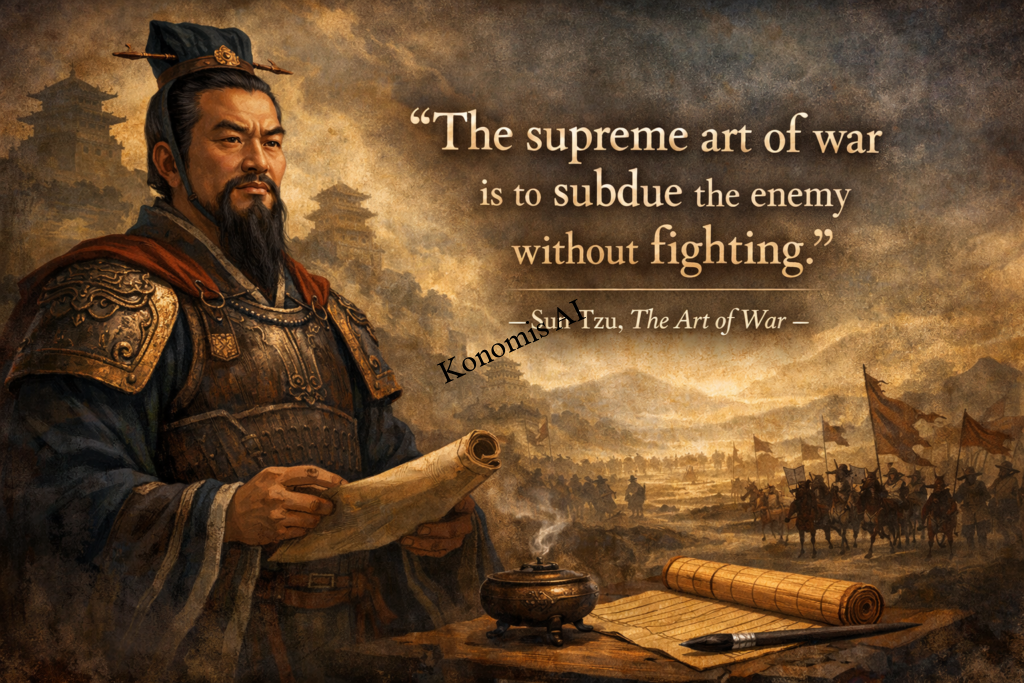
This line isn’t just about war. It teaches that true victory comes from intelligence, planning, and understanding others. In simple terms, the best win is the one achieved without a fight.
Why It Still Matters Today
You might think old war teachings don’t matter in today’s digital world. After all, we live with smartphones, AI, and social media, not swords and shields. But if you look closely, you’ll see that human competition hasn’t really changed.
Businesses compete for customers, countries negotiate power, and people even try to influence opinions online. Most of these battles happen without any physical fight. The goal is still the same—win smartly.
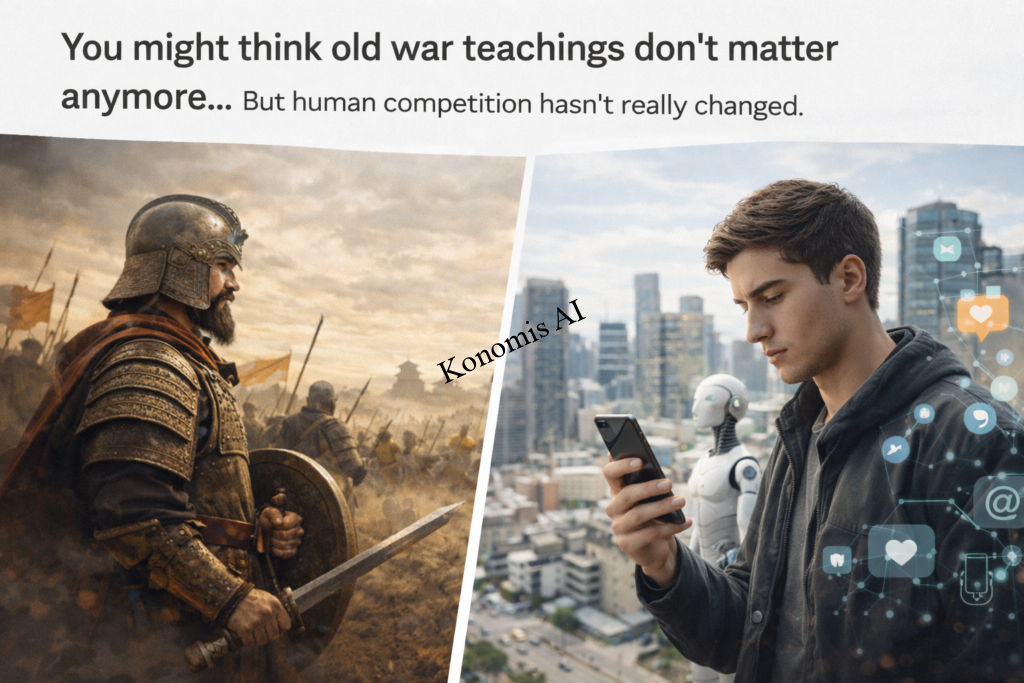
That’s why this ancient idea still matters today. The modern world rewards people who think better, plan better, and act wisely. In many situations, the real winners are those who outthink others, not those who try to overpower them.
Understanding the Meaning
Literal vs Strategic Interpretation
At first glance, the quote sounds like it means you should avoid fighting at all costs. But that’s not what Sun Tzu really meant. He wasn’t saying never fight—he was explaining that the smartest victory happens before a battle even begins.
His idea was that true strategy is about preparation, planning, and understanding your opponent so well that they lose the will to fight. When someone realizes they can’t win, they often give up without resistance.
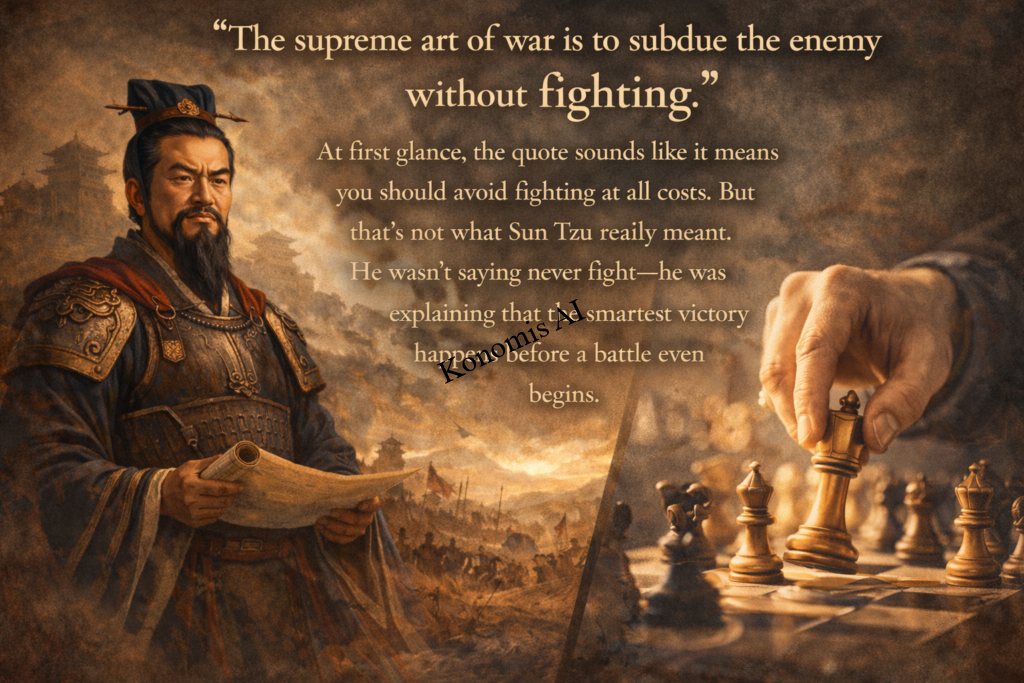
Think of it like chess. Imagine your opponent already knows they’re going to lose before making the first move. That’s the real meaning of winning without fighting.
Psychological Warfare Explained
This idea is based on psychology more than physical strength. If you can affect how your opponent thinks or feels, you can change the outcome without fighting. When someone loses confidence or doubts themselves, they often give up on their own.
The goal is to weaken their will, confuse their judgment, or make them believe they can’t win. Once their mind accepts defeat, the battle is already decided before it even starts.
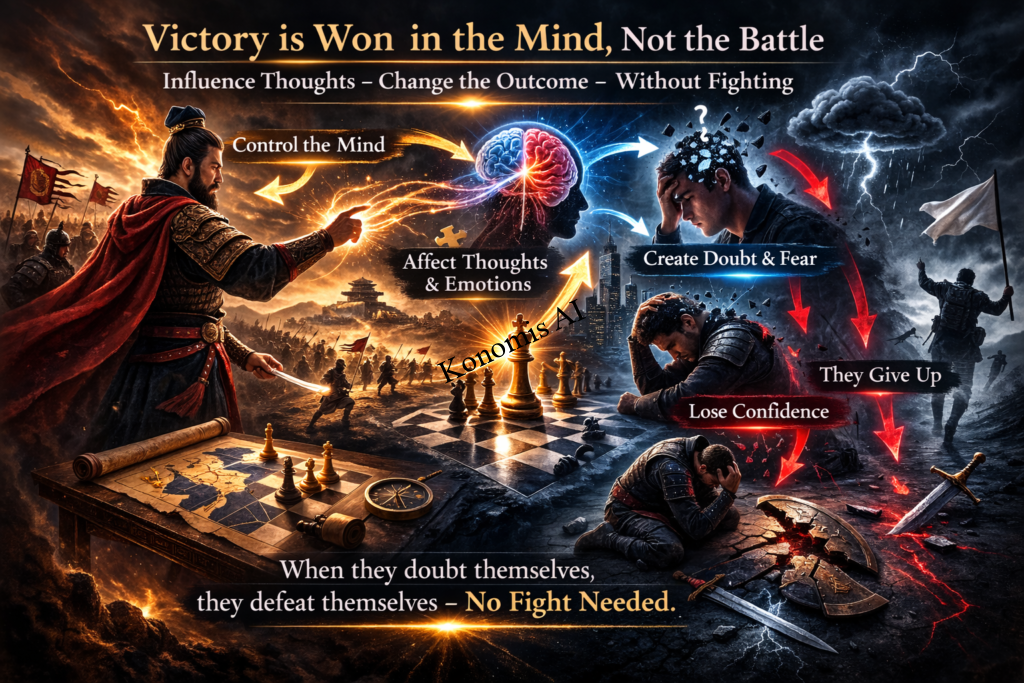
It’s like in business when one company becomes so strong and smart that rivals stop trying to compete. They step away because they feel it’s useless. That’s winning without fighting.
Sun Tzu’s Philosophy of War
Who Was Sun Tzu?
Sun Tzu was an ancient Chinese general, strategist, and philosopher from the Eastern Zhou period. Not much is certain about his life, but his ideas survived history.
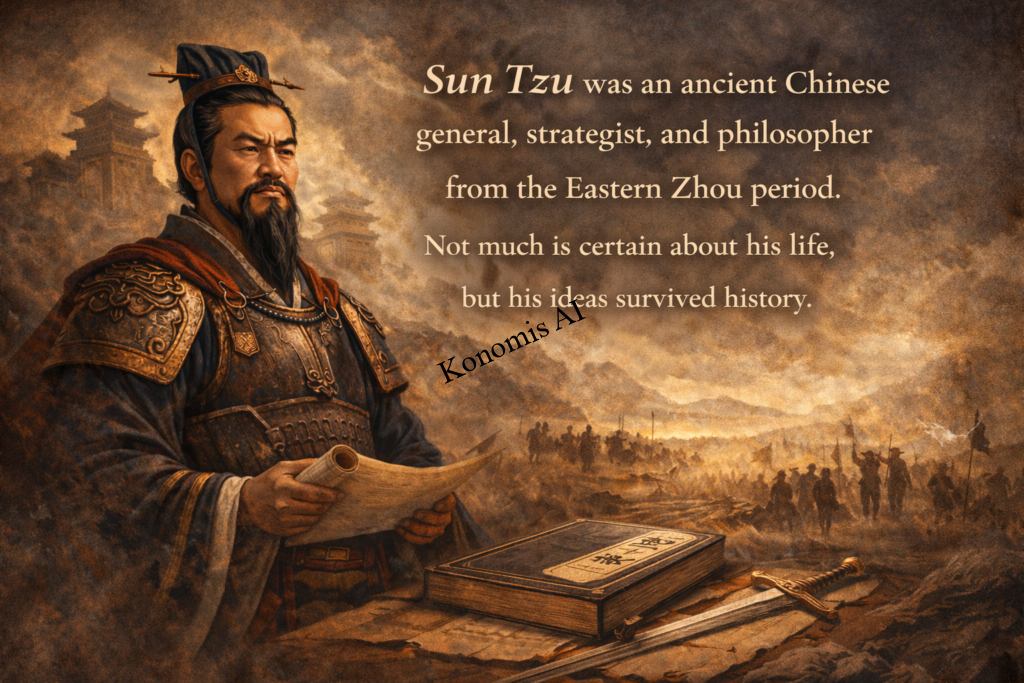
His book on strategy still guides soldiers, business leaders, and students around the world today. People still learn from him even now worldwide.
The Core Principles of The Art of War
Sun Tzu’s philosophy is built on five simple but powerful ideas. He taught that you should understand yourself and your opponent clearly, avoid fights that aren’t necessary, and use clever thinking instead of rushing into conflict.
He also advised using deception carefully, attacking only when success is almost certain, and staying flexible. He compared adaptability to water, which changes shape depending on where it flows.
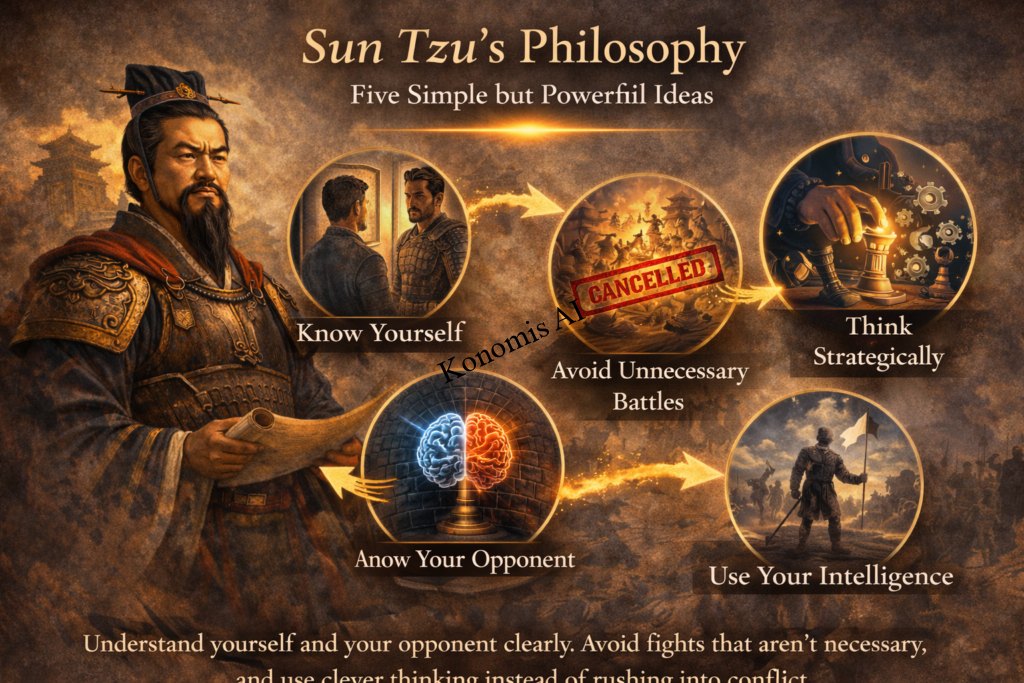
All these lessons point to one main truth: smart strategy is stronger than raw force. Instead of relying on strength alone, Sun Tzu believed real success comes from planning, awareness, and wise decisions before action.
The Power of Strategy Over Force
Intelligence vs Strength
History shows that intelligence often wins against pure strength. Many times, smaller armies have defeated bigger ones simply because they planned better and used smarter tactics. It proves that size alone doesn’t decide victory.
The same thing happens in business. Small startups sometimes beat huge companies, not because they’re stronger, but because they think faster, adapt quickly, and make clever decisions.
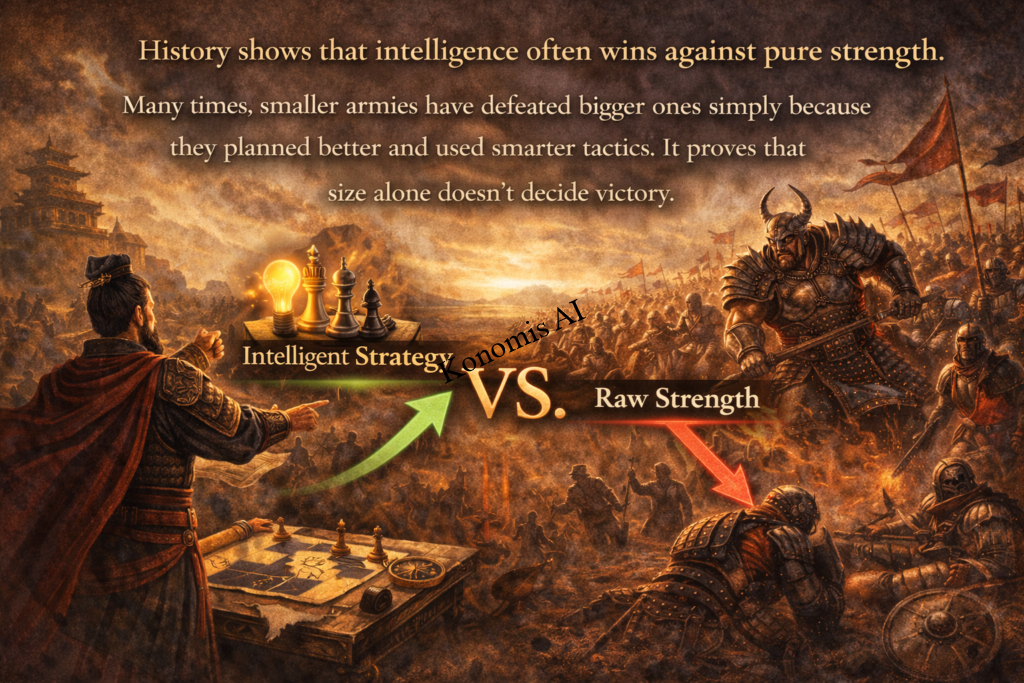
Strategy works like a lever. Just as a small tool can lift a heavy object, smart planning allows a small force to achieve big results. In simple words, brains can outperform muscle when used wisely.
Planning as a Weapon
Planning is like fighting a battle you can’t see. When you think ahead, imagine possible results, and prepare different options, you gain an edge before anything even starts. Good planning quietly builds your strength.
It helps you understand what others might do and how you should respond. Instead of reacting in panic, you stay calm because you already thought things through.
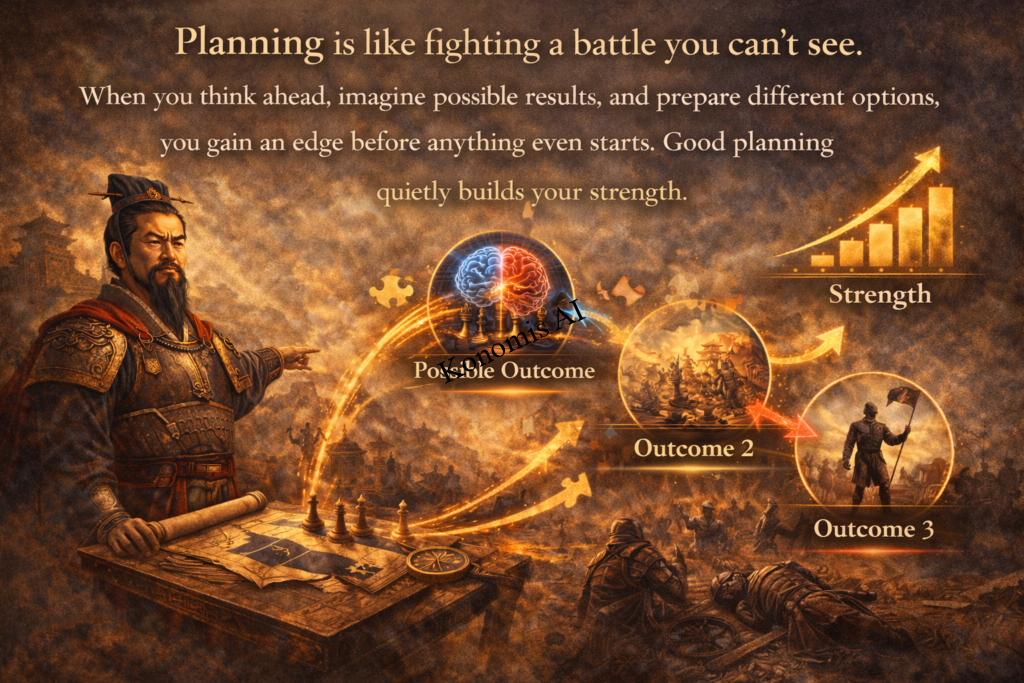
It’s a bit like playing poker while knowing everyone else’s cards. You don’t need luck or force—you already have the advantage. That’s why planning is often the strongest weapon a person can use.
Psychological Dominance
Winning Minds Instead of Battles
Winning without fighting often means winning inside the other person’s mind. When someone truly believes they can’t win or that resistance won’t help, they usually stop trying on their own. No force is needed.
This kind of victory comes from influence, not pressure. If you can shape how someone thinks or feels about a situation, you can guide the outcome peacefully and effectively.
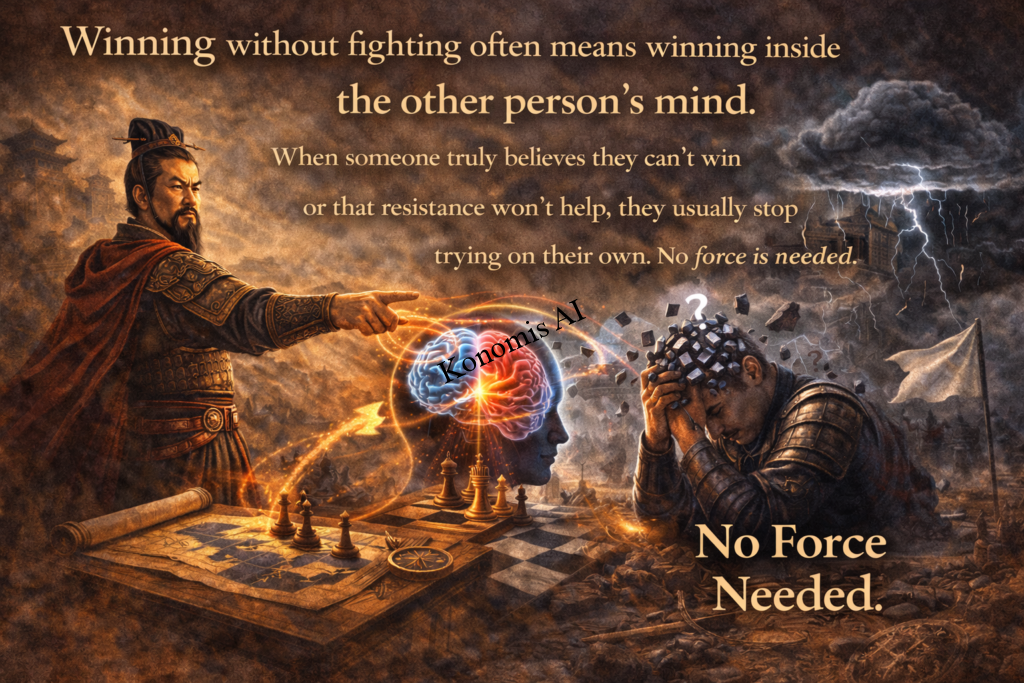
Things like persuasion, a strong reputation, and calm confidence become powerful tools. They act like invisible weapons that help you succeed. In many situations, changing someone’s mindset is stronger than trying to overpower them physically.
The Role of Perception
Perception plays a powerful role in how people see the world. Often, what someone believes feels as real to them as the truth. If your opponent thinks you are too strong or too smart to defeat, they might not even try to challenge you.
This shows that mindset can decide outcomes before anything actually happens. When people see you as confident and capable, they treat you differently and act more cautiously around you.
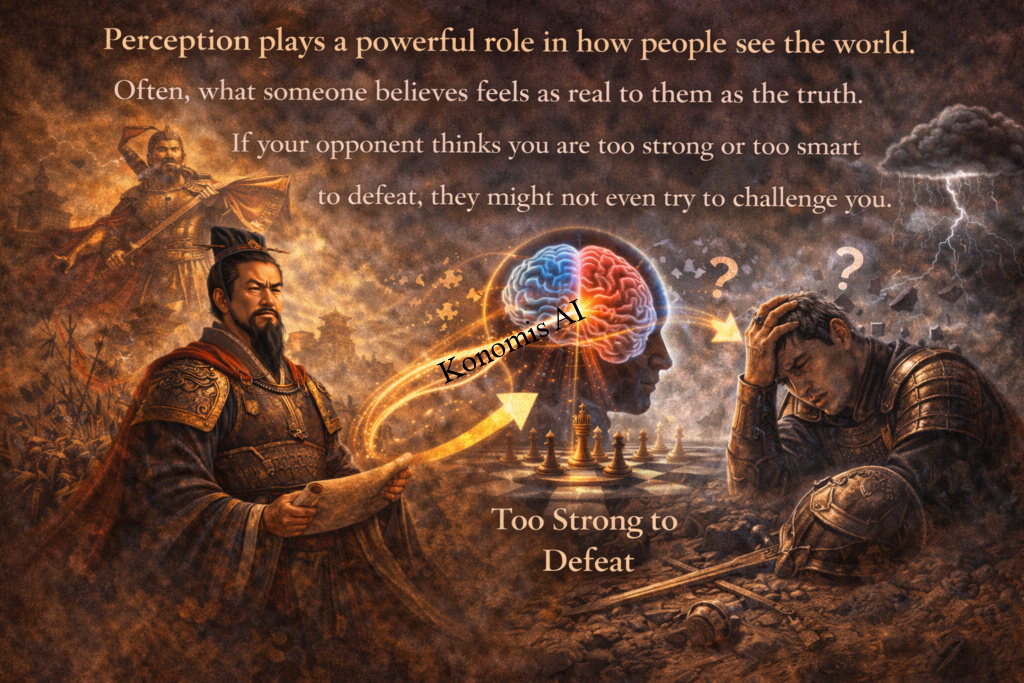
That’s why image, branding, and reputation matter so much. Whether in war, business, or personal life, how others see you can shape what they do—and sometimes that alone decides who wins.
Applications Beyond the Battlefield
Business Strategy
In business, this idea shows up as smart market positioning. Companies try to become so strong in a specific area that competitors feel it’s not worth entering. Instead of fighting rivals directly, they build such a solid presence that others stay away.
This approach saves time, money, and energy. When a company clearly leads a niche, it naturally discourages competition because new players think they won’t be able to catch up or succeed.
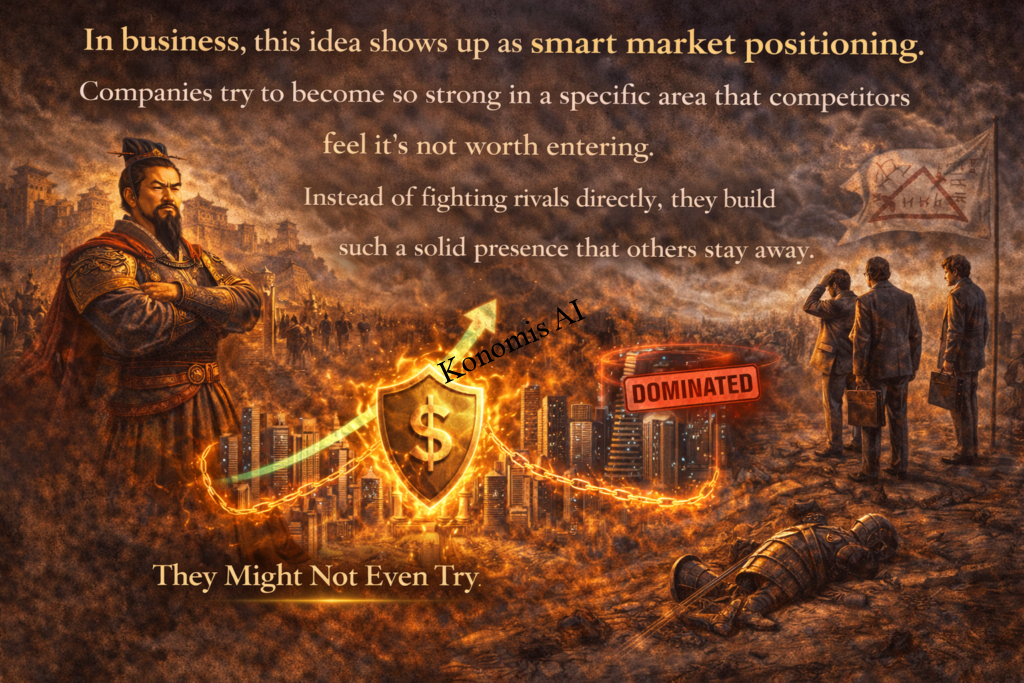
A good example is Apple’s ecosystem. Its connected devices and services make it hard for competitors to match the full experience, so many avoid competing head-to-head and choose other markets instead.
Politics and Diplomacy
Diplomacy is a real-life example of Sun Tzu’s idea of winning without fighting. Instead of going to war, countries use talks, agreements, and pressure to solve problems. These methods help them reach goals without violence.
Tools like treaties, sanctions, and negotiations allow nations to influence each other peacefully. They can change decisions, settle disputes, or protect interests without sending armies into battle.
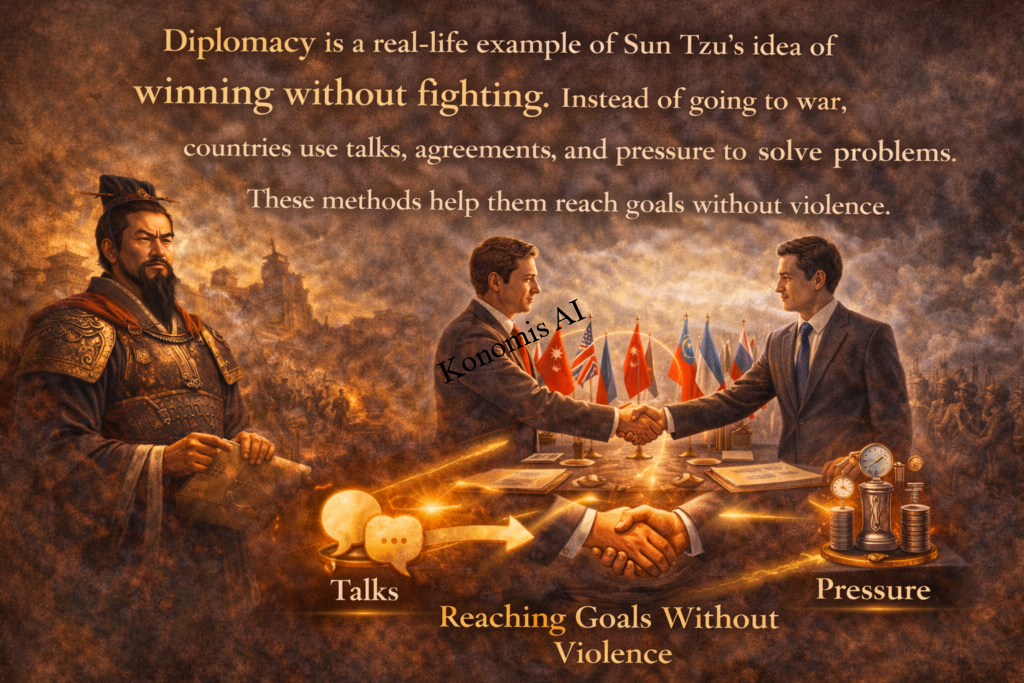
Most countries prefer this approach because it costs less, risks fewer lives, and keeps long-term stability. In simple terms, influence is often stronger than invasion, and smart diplomacy can achieve what war sometimes cannot.
Personal Life Conflicts
Personal conflicts don’t always need loud arguments or harsh words. Sometimes, calmly explaining your point works much better than shouting. When you stay relaxed and speak clearly, the other person is more likely to listen instead of getting defensive.
This approach is a real-life example of winning without fighting. You solve the problem while keeping respect and understanding between both sides. It turns a clash into a conversation.
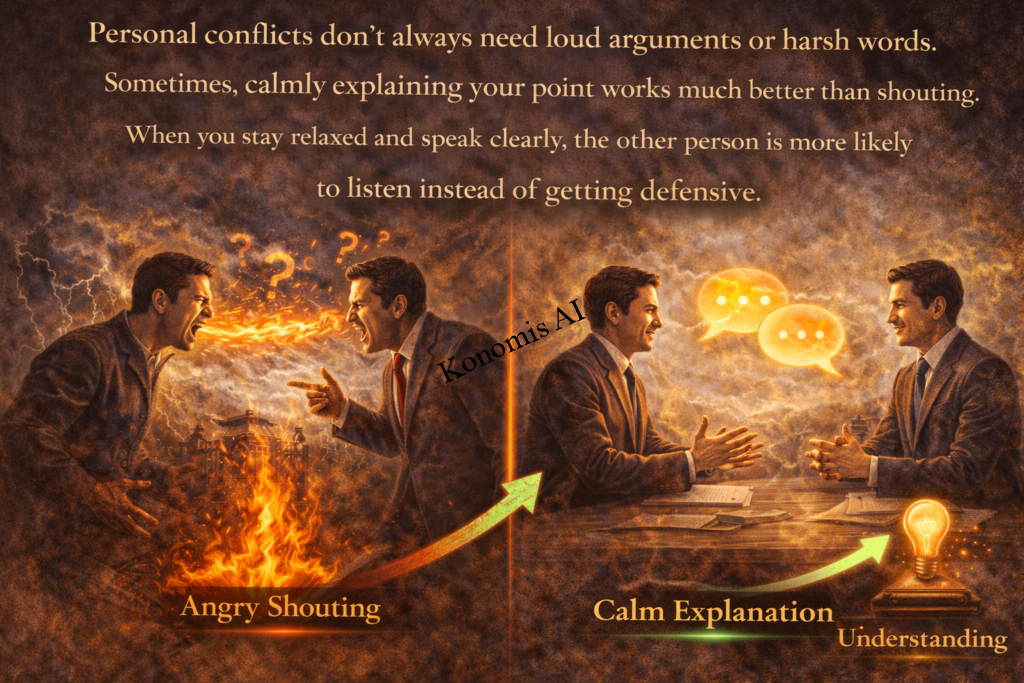
Emotional intelligence plays a big role here. When you control your emotions and understand others’ feelings, you can handle disagreements smoothly. In many cases, the strongest person is the one who stays calm and kind.
The Science Behind Non-Violent Victory
Game Theory Perspective
Game theory teaches us that the best results often come from cooperation instead of confrontation. When people think ahead and choose smart strategies, they can achieve better outcomes than by simply trying to overpower others. It’s about playing wisely, not aggressively.
In situations where people interact again and again, peaceful approaches usually work better. They build trust, reduce risk, and make future cooperation easier for everyone involved.
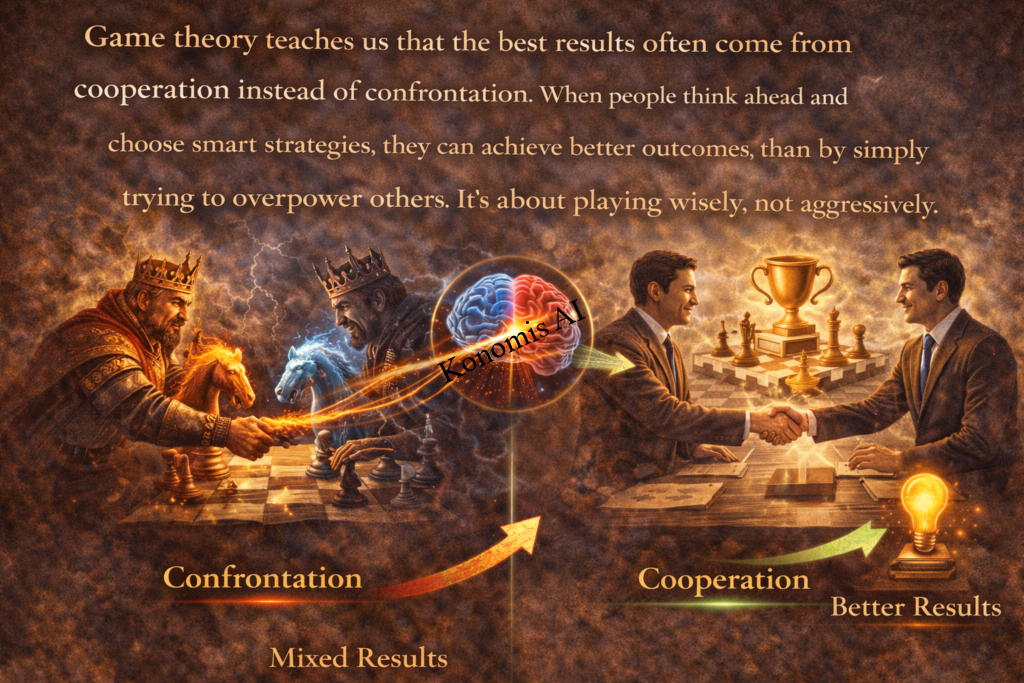
Aggressive behavior may bring quick wins, but it often damages relationships and wastes resources. Calm and strategic actions, on the other hand, help people succeed in the long run while keeping connections strong and stable.
Behavioral Psychology Insights
Psychologists understand that people react strongly to how things appear, how information is presented, and what they expect to happen. These factors shape decisions more than we often realize. Our minds don’t just respond to facts—they respond to how those facts are framed.
When you influence perception and expectations, you can guide results without using force. A simple change in wording or tone can shift someone’s opinion or choice. That’s why communication is so powerful.
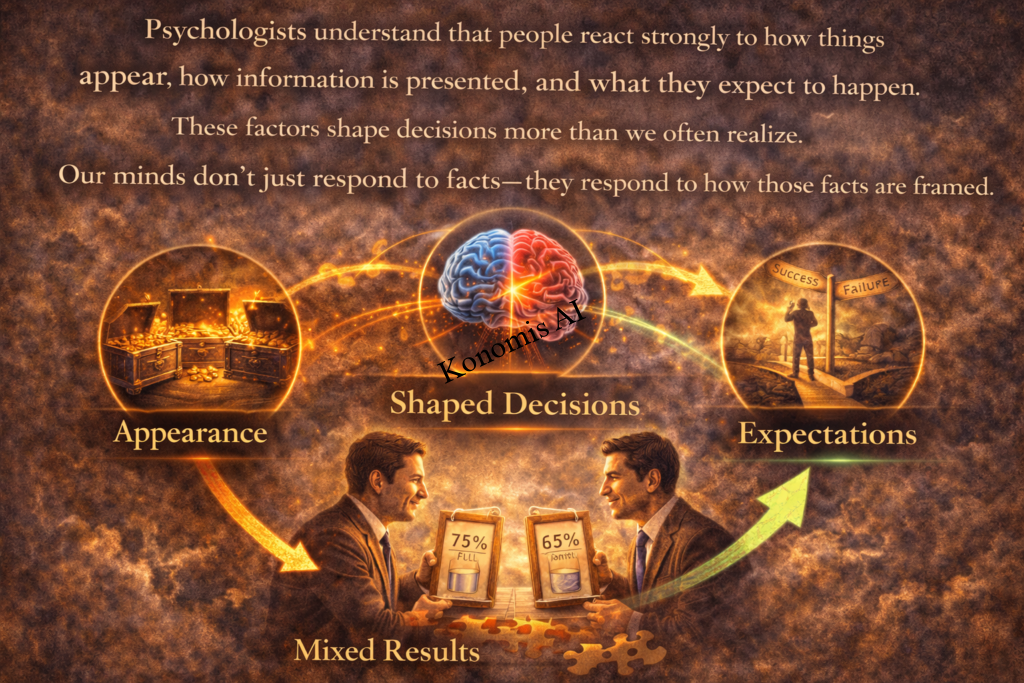
This principle is used everywhere, especially in marketing, negotiation, and leadership. The most effective people don’t push others—they guide their thinking. In many situations, shaping perspective is stronger than applying pressure.
Real-World Examples
Historical Leaders Who Used This Strategy
Many great leaders in history succeeded not because they were the strongest, but because they were the smartest. Instead of rushing into battles, they used careful planning, smart alliances, and clever strategies to defeat their rivals. They knew that thinking ahead could save lives and resources.
Some victories were achieved through strong partnerships, secret information, or economic pressure rather than fighting on the battlefield. These methods weakened opponents without open war and often brought faster results.
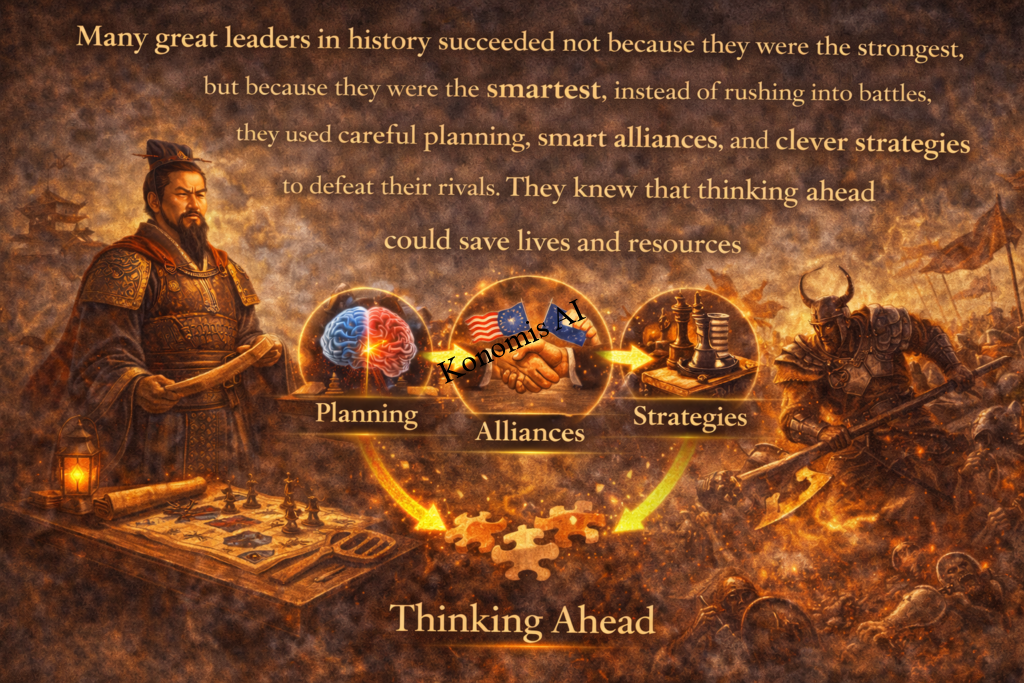
Their greatest weapon wasn’t swords or armies—it was foresight. By seeing what others couldn’t and planning early, they won conflicts before they even began.
Modern Examples in Technology and Negotiation
In today’s tech world, companies often use smart tactics instead of direct competition. Sometimes they announce a new product or feature early, even before it’s fully ready, just to signal their presence. This makes other companies think twice before entering the same market.
The idea is simple: if rivals believe the space will soon be crowded or hard to compete in, they may choose a different path. No fight happens, yet the outcome is already decided.
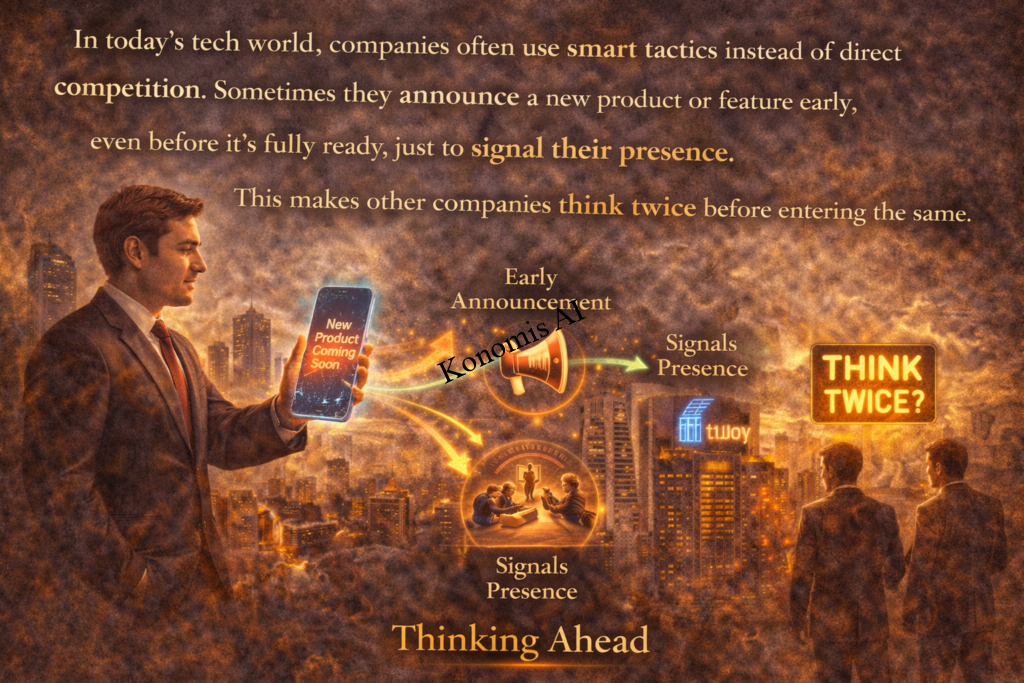
This shows how influence can shape markets. Just the possibility of strong competition can change decisions. That’s a perfect example of winning without conflict in the modern business world.
Why Fighting Is Often a Failure of Strategy
Costs of Conflict
War and conflict consume a huge amount of resources. They take money, time, energy, and emotional strength from everyone involved. Even when someone wins, the damage caused along the way can be very heavy and lasting.
Victory doesn’t always mean success. Sometimes the cost of fighting is so high that the winner ends up weakened, struggling to recover from what they spent or lost during the conflict.
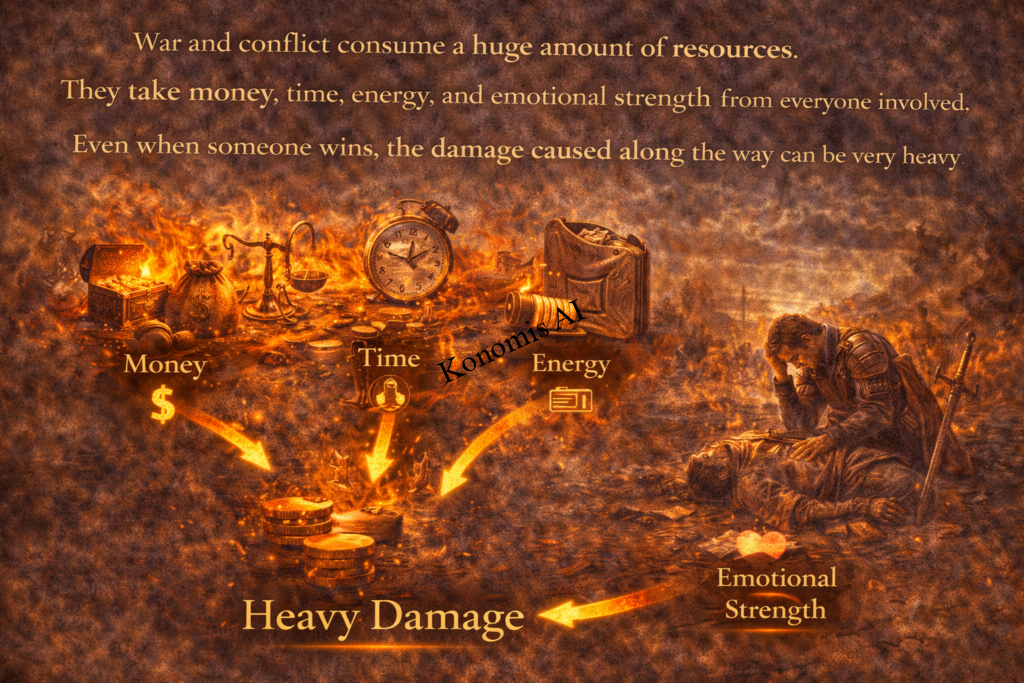
It’s like running a race so hard that you collapse right after crossing the finish line. You may have won, but you’re too exhausted to enjoy the victory or move forward easily.
Long-Term Consequences
Conflict often leaves behind resentment. When someone is defeated harshly or humiliated, they may hold onto anger and wait for a chance to strike back later. A loss doesn’t always end the rivalry—it can sometimes make it stronger.
That’s why total victory through force can be risky in the long run. Today’s defeated opponent might become tomorrow’s stronger enemy, especially if they feel wronged or disrespected.
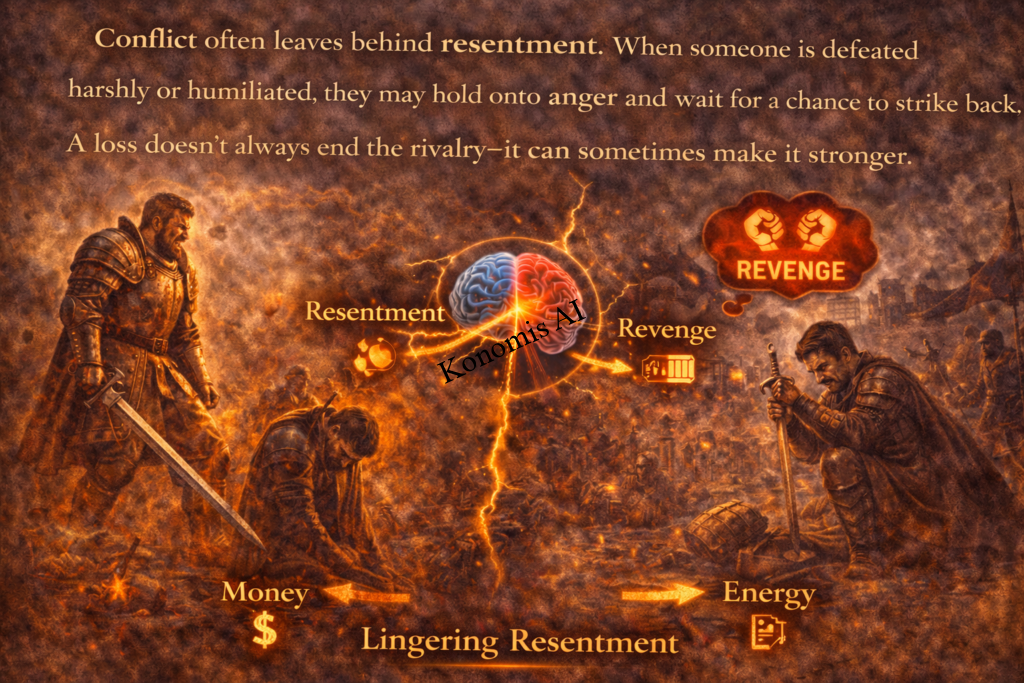
But if you handle a win wisely and respectfully, things can change. Instead of creating bitterness, you can build understanding. In some cases, a former rival can even become an ally, which is far more powerful than having a lifelong enemy.
The Role of Intelligence and Information
Knowledge as Power
Information can be the strongest weapon anyone has. When you know your opponent’s plans, strengths, and weaknesses, you gain control of the situation without needing to fight. Knowledge helps you prepare, predict moves, and stay one step ahead.
This is why information is so valuable in strategy. It allows you to act wisely instead of reacting blindly. When you understand what’s coming, you can choose the best path calmly and confidently.
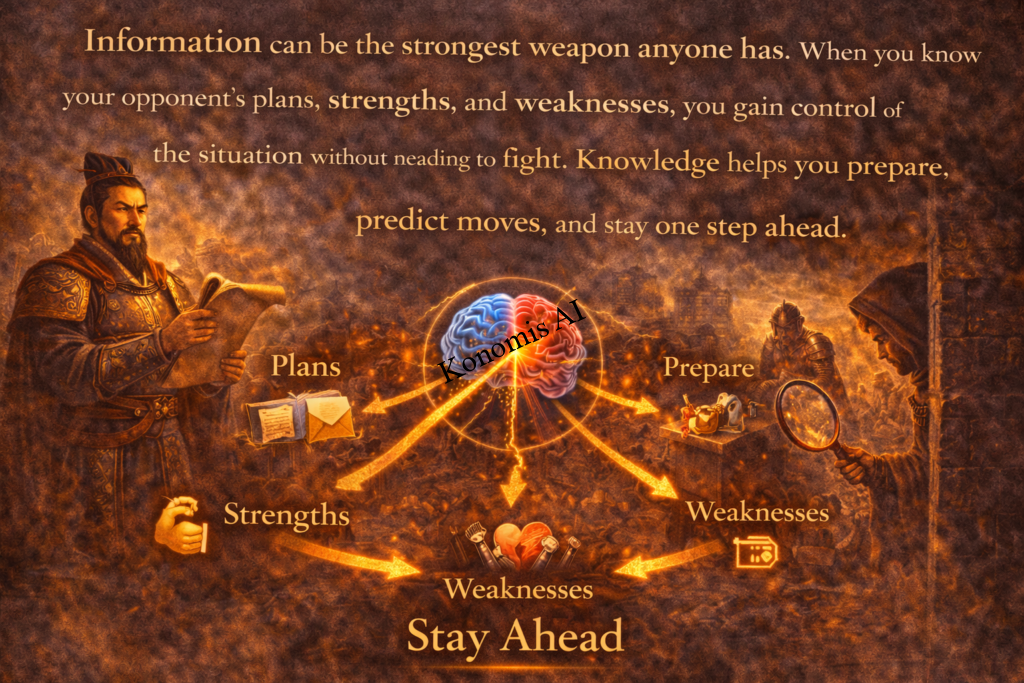
That’s also why intelligence agencies exist. Their main goal is to gather knowledge that can prevent conflicts before they start. In many cases, the right information can stop a war from ever happening.
The Information Age Advantage
Today, information can be more powerful than weapons or armies. Data gives people the ability to understand trends, predict behavior, and influence decisions from anywhere in the world. In many situations, knowledge now matters more than physical strength.
Modern strategies often rely on cyber tools, analytics, and digital systems. These methods allow organizations and nations to shape opinions, markets, and outcomes without direct confrontation or visible conflict.
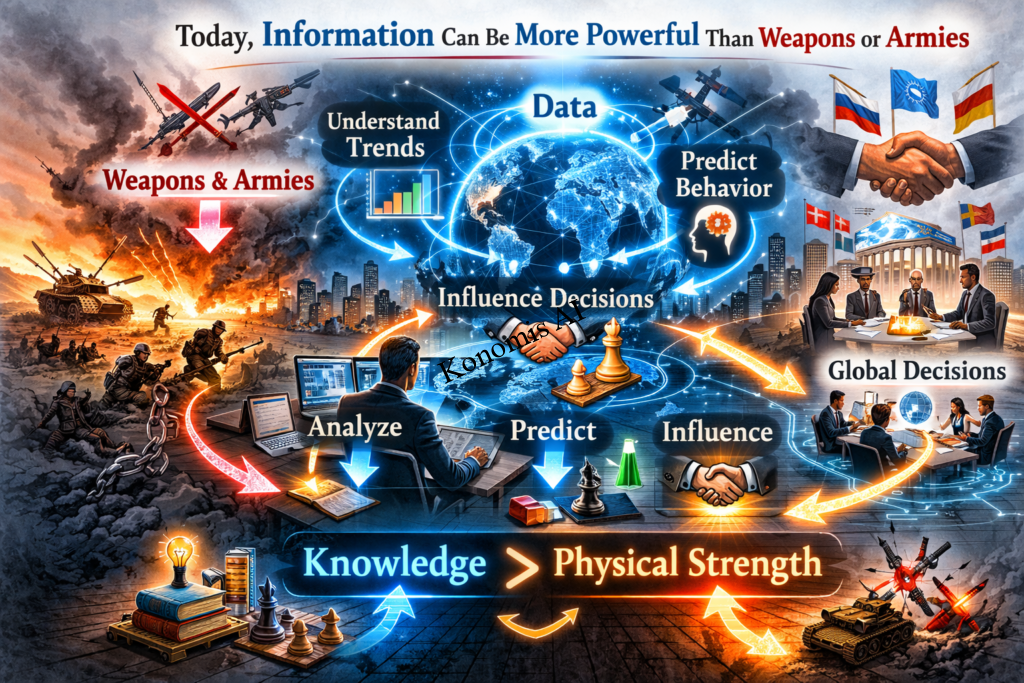
This is the advantage of the information age. Instead of fighting on battlefields, influence happens online through data and technology. In simple terms, controlling information can be just as powerful as controlling territory once was.
How to Apply This Principle in Daily Life
Conflict Resolution Techniques
When facing conflict, it’s often better to ask questions instead of arguing. Questions show that you’re willing to listen, and they help you understand the other person’s point of view. This simple approach can calm tension and make conversations more productive.
Trying to understand instead of attacking changes the whole tone of a disagreement. People become less defensive and more open when they feel heard and respected. It turns a clash into a chance to solve a problem together.
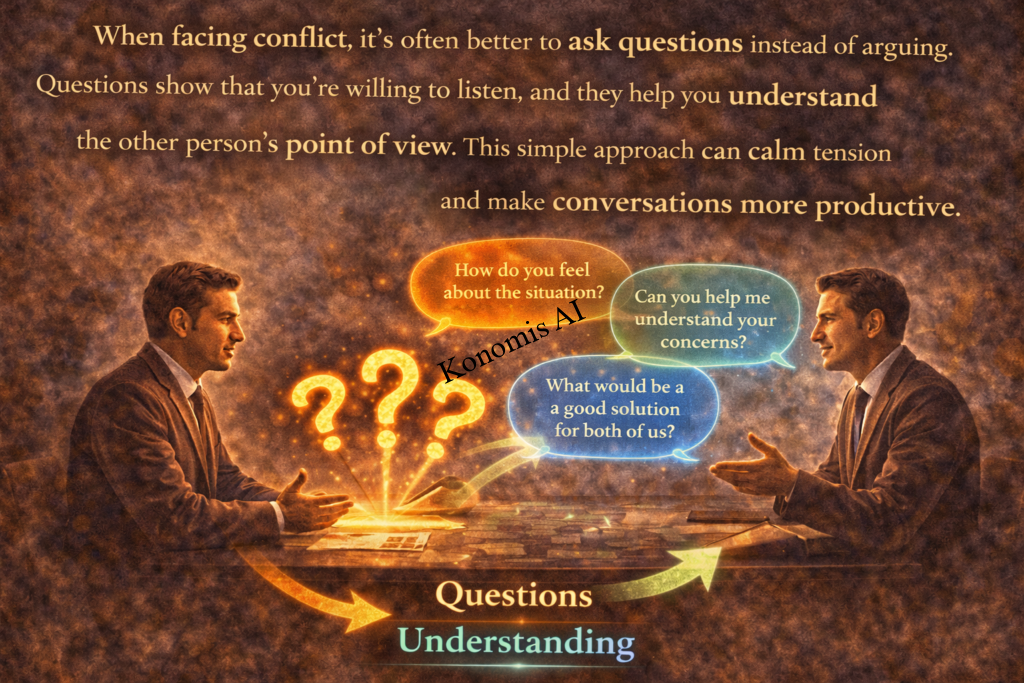
These techniques lower resistance and encourage cooperation. In many situations, the person who stays calm, patient, and thoughtful ends up guiding the discussion and quietly winning the debate.
Communication Strategies
Clear communication can stop many problems before they even start. When you explain your thoughts simply and honestly, it reduces confusion and prevents misunderstandings. Many conflicts happen not because people disagree, but because they misunderstand each other.
When someone feels truly heard, they usually become calmer and less defensive. Listening carefully shows respect, and that alone can change the tone of a conversation. People are more open when they know their voice matters.
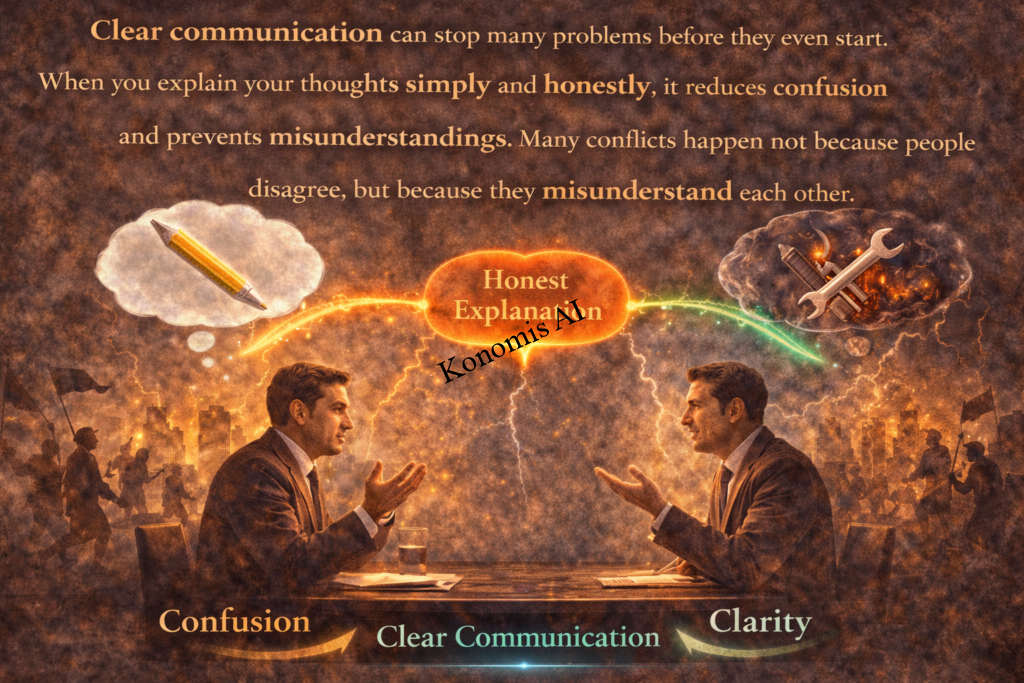
In many situations, this kind of communication ends the conflict before it begins. Instead of arguments, you get understanding. Sometimes, the simplest words spoken clearly can prevent the biggest battles.
Strategic Silence and Patience
Timing as a Weapon
Timing can sometimes be stronger than action itself. If you act too early, you might spoil your own plan or reveal your intentions before you’re ready. Waiting for the right moment can make all the difference in how things turn out.
The perfect timing can solve a problem instantly. One well-planned move at the right moment can succeed where many rushed attempts fail. Patience often gives you clarity and advantage.
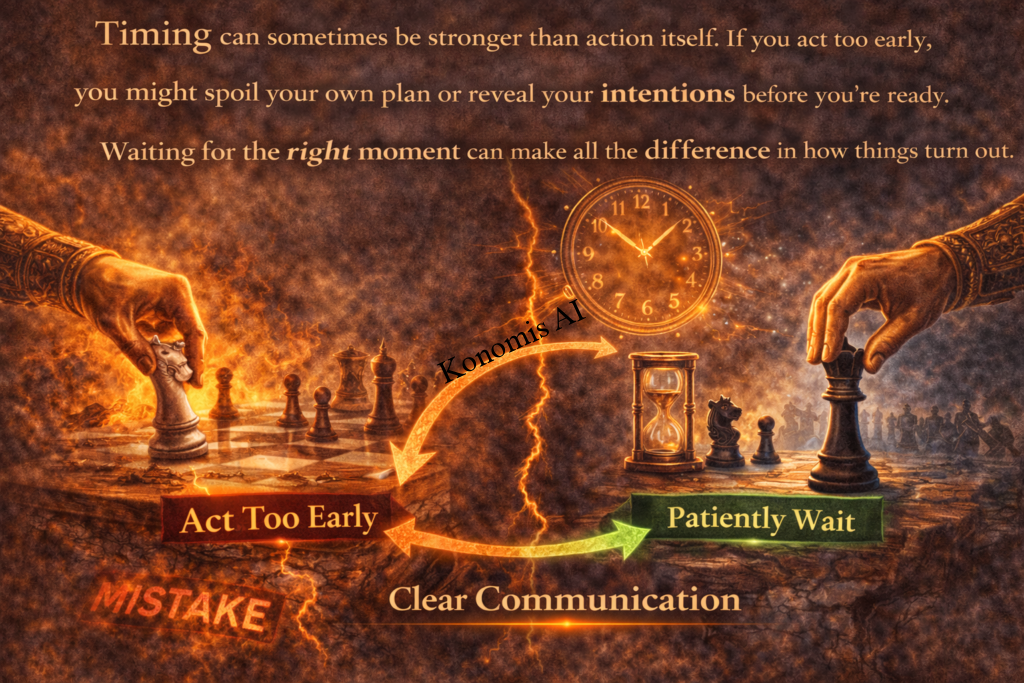
It’s like a chess player who waits carefully for the exact move that traps the opponent. They don’t rush. They watch, think, and strike only when victory is certain.
The Strength of Waiting
Patience is not a sign of weakness—it’s a form of hidden strength. When you wait calmly instead of reacting quickly, you give yourself time to think clearly and understand the situation better. That quiet pause can make you stronger and wiser.
Waiting also lets new information come to light and emotions settle down. Decisions made in anger or haste often lead to mistakes, but patience creates space for better choices and smarter actions.
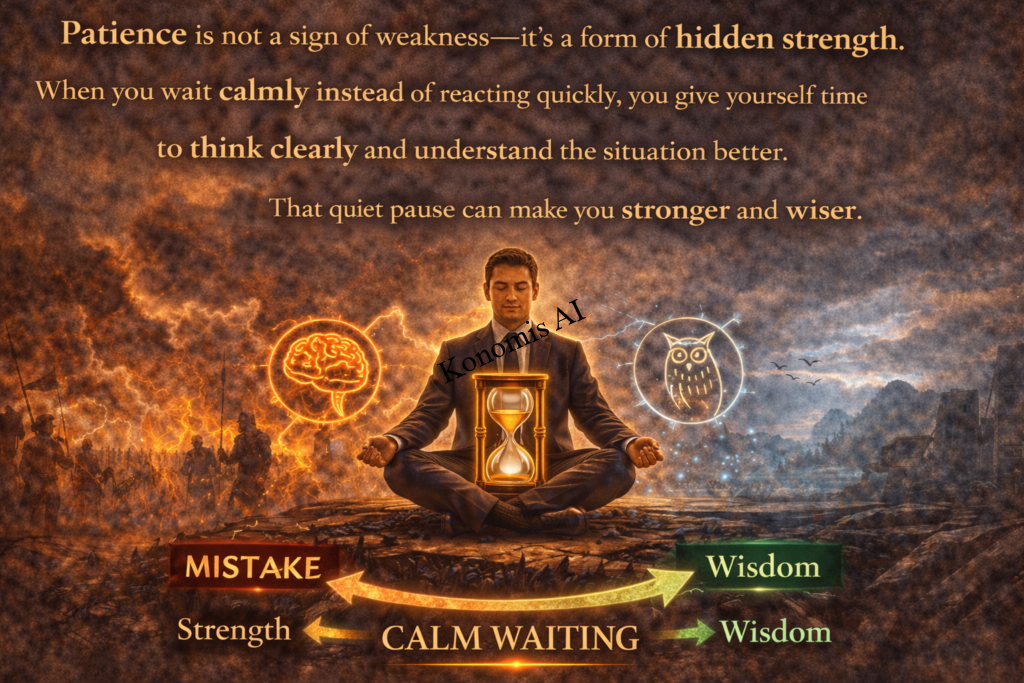
Sometimes, doing nothing is actually the most powerful move. By holding back at the right moment, you allow the right opportunity to appear—and that’s when you act with true advantage.
Misinterpretations of the Quote
It’s Not About Avoiding Action
Some people think this idea means you should always avoid action. But that’s not true at all. Sun Tzu didn’t teach passivity—he taught smart decision-making and careful timing before taking action.
He believed that action should be taken when the chances of success are high, not when emotions push you into rushing. Acting too soon can create problems, while waiting for the right moment can bring clear victory.
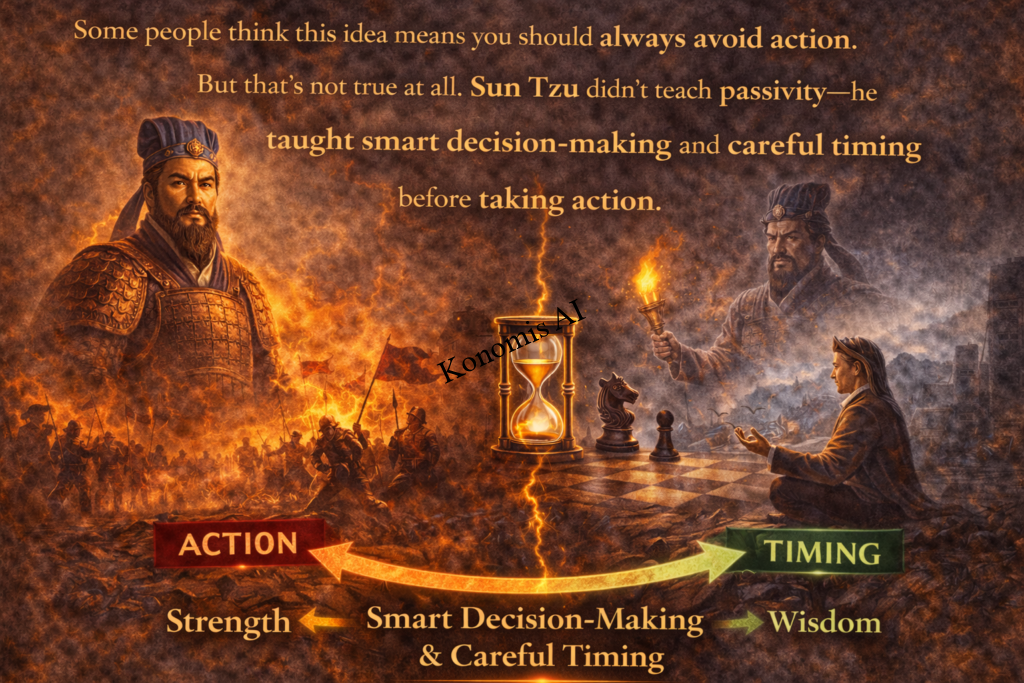
His message is simple: don’t act blindly, act wisely. The goal isn’t to avoid action, but to make sure that when you do act, it’s powerful, effective, and almost certain to succeed.
It’s About Winning Efficiently
This philosophy is really about efficiency and smart thinking. It asks a simple question: why use time, energy, and resources to fight if you can reach the same goal through planning and strategy? Winning wisely is better than winning with struggle.
When you think strategically, you look for the easiest and most effective path to success. Instead of wasting effort, you focus on actions that give the biggest results with the least cost.
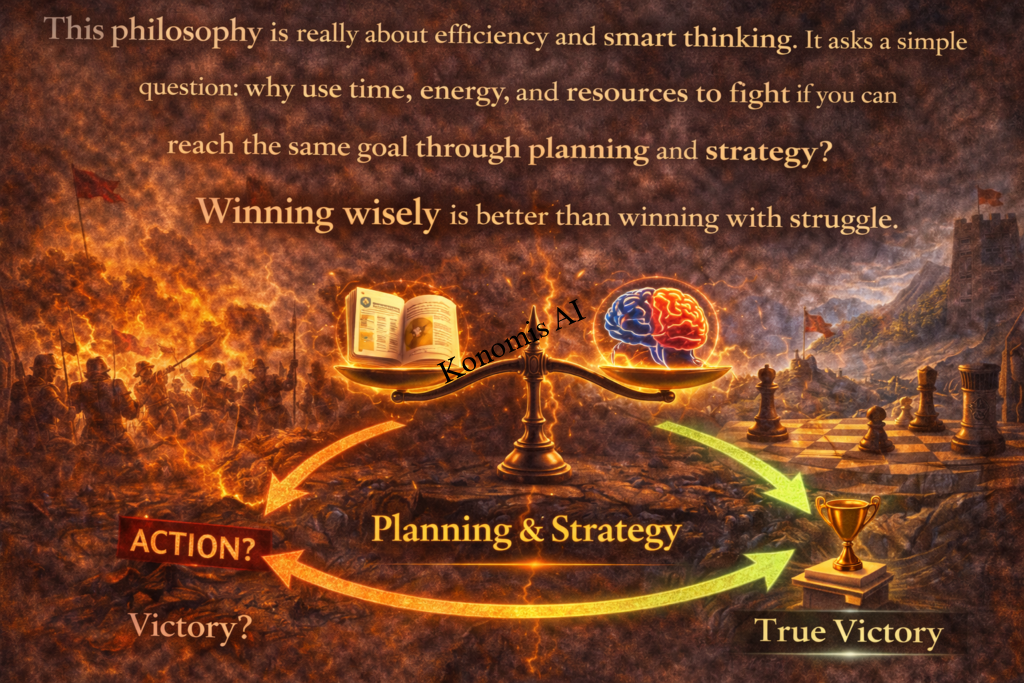
It’s like choosing a shortcut instead of climbing a huge mountain. Both paths may reach the same destination, but the smarter route saves strength, time, and effort while still getting you where you want to go.
Leadership Lessons
Leading Without Force
Great leaders don’t depend on fear or pressure to control others. Instead of intimidating people, they build trust and respect. When someone truly believes in a leader, they follow because they want to, not because they’re forced.
Inspiring loyalty is much stronger than demanding obedience. People who feel valued and understood are more motivated, committed, and willing to give their best effort. This kind of leadership creates strong and lasting support.
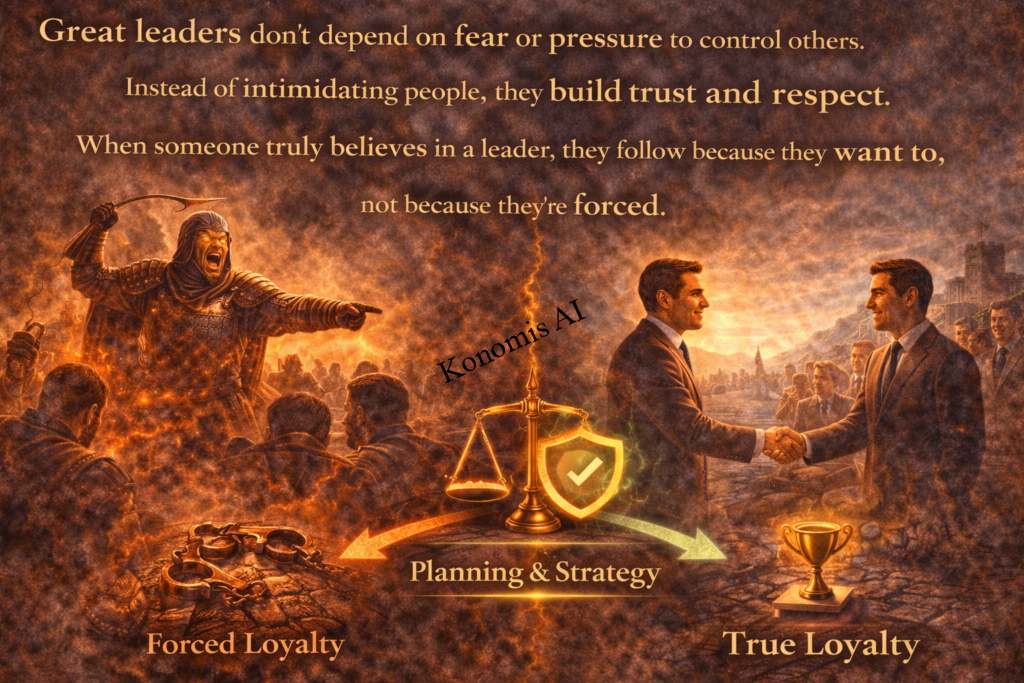
When people willingly stand behind you, force becomes unnecessary. True leadership isn’t about power over others—it’s about influence that makes others choose to walk with you.
Influence vs Authority
Authority can force obedience, but it rarely wins hearts. When people follow only because they must, their effort is limited and their loyalty is fragile. Power may control actions, yet it cannot command true commitment.
Influence, on the other hand, earns willing support. It grows from trust, character, and credibility. When people believe in you, they don’t just follow instructions—they stand with you, defend you, and work with genuine dedication.
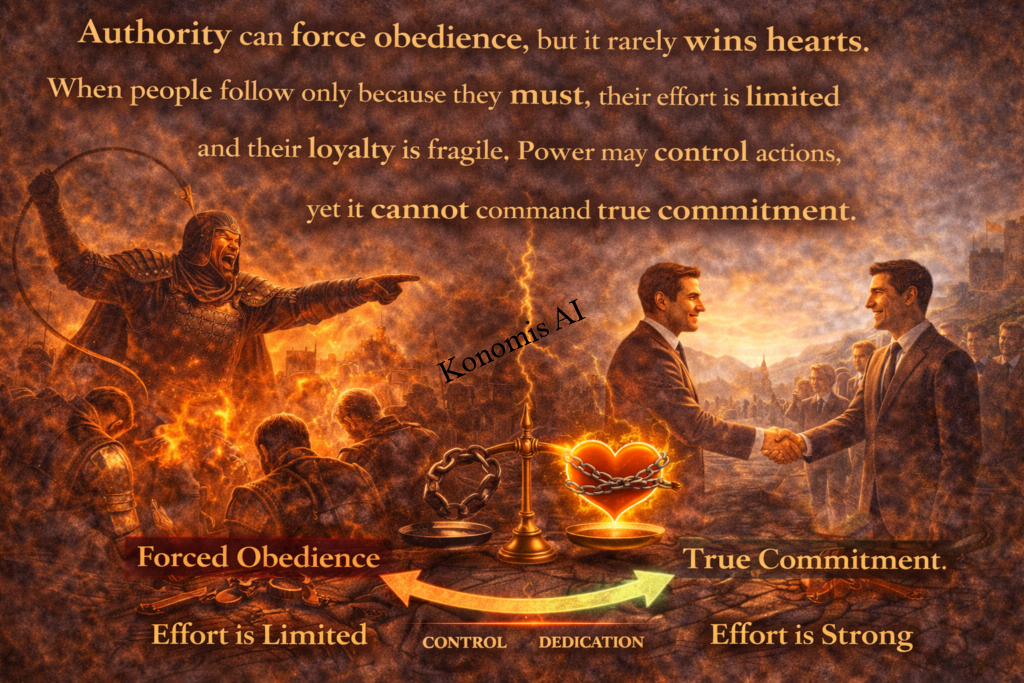
The most powerful leaders understand this difference. They don’t rely on titles or pressure; they build influence that makes resistance unnecessary. When influence is strong, leadership becomes effortless, and people follow not out of fear, but out of respect.
Future Relevance in AI, Cyberwarfare, and Digital Strategy
Wars of Data
Future conflicts may not always be fought with weapons—they may be fought with algorithms. Instead of armies on battlefields, nations and companies are now competing through technology, artificial intelligence, and control over data. Power is slowly shifting from physical strength to digital intelligence.
Today, data has become a strategic asset. Those who control information, AI systems, and technological platforms can influence markets, opinions, and global decisions without direct confrontation.
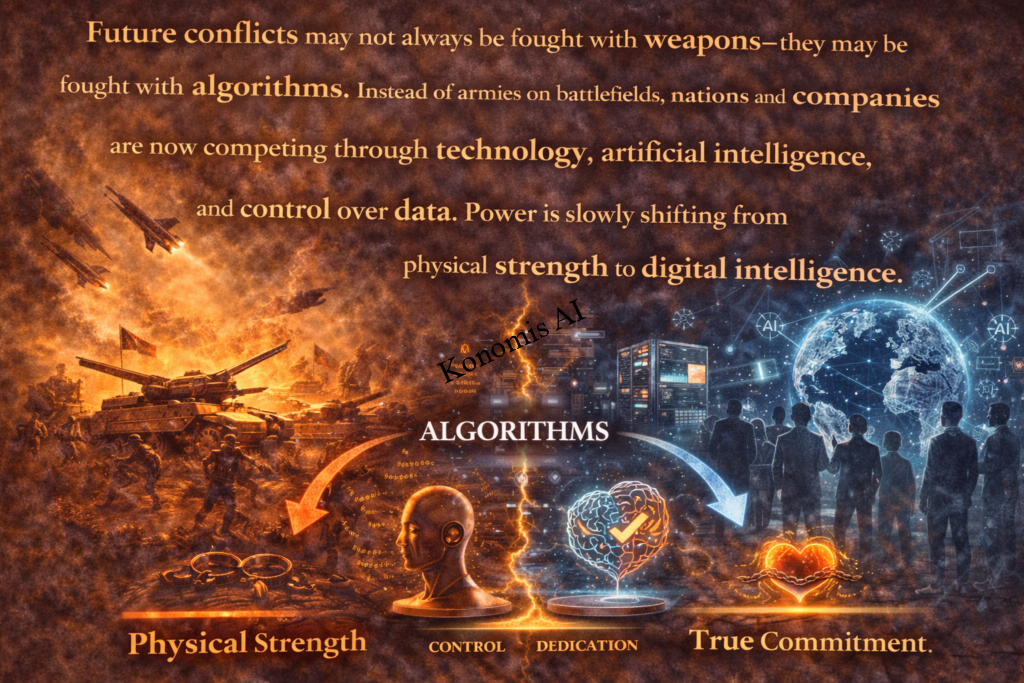
This means the battleground of the future is digital. Dominance won’t just depend on military power, but on who leads in technology, innovation, and data. In this new era, intelligence may matter more than force.
Influence Operations
Information campaigns today have the power to shape global thinking in real time. Through media, social platforms, and digital networks, ideas can spread across continents within minutes. This means influence can travel farther and faster than any army ever could.
Controlling the narrative is now a form of power. When you shape how people interpret events, you shape their reactions, choices, and even their beliefs. In many situations, influencing perception is more decisive than controlling physical territory.
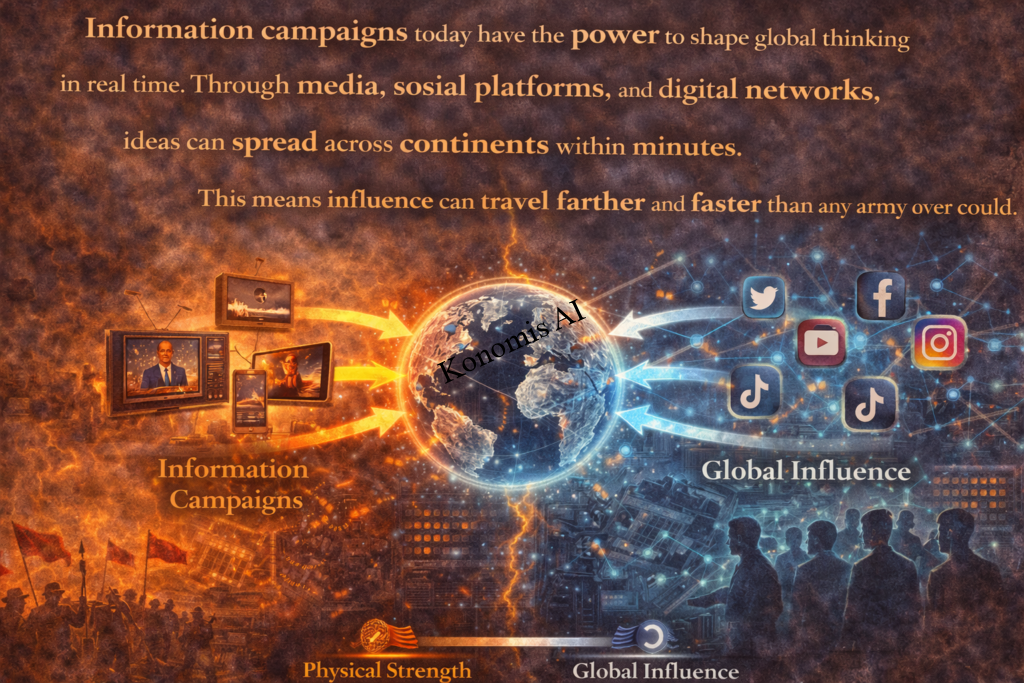
That’s why Sun Tzu’s wisdom feels stronger than ever in the modern age. True dominance no longer depends only on weapons—it depends on influence. The one who controls the story often controls the outcome, winning battles before they even begin.
Conclusion
The statement “The supreme art of war is to subdue the enemy without fighting” is not just ancient wisdom—it’s a timeless law of power, strategy, and mastery. In business, leadership, relationships, or personal growth, the greatest victories are not loud or violent; they are silent, calculated, and decisive. Real success comes from directing outcomes, not forcing them.
True strength is not measured by how hard you strike, but by how wisely you think. Strategy, patience, intelligence, and emotional control are far more powerful than aggression. Anyone can react with force, but only the disciplined mind can guide events so skillfully that conflict becomes unnecessary.
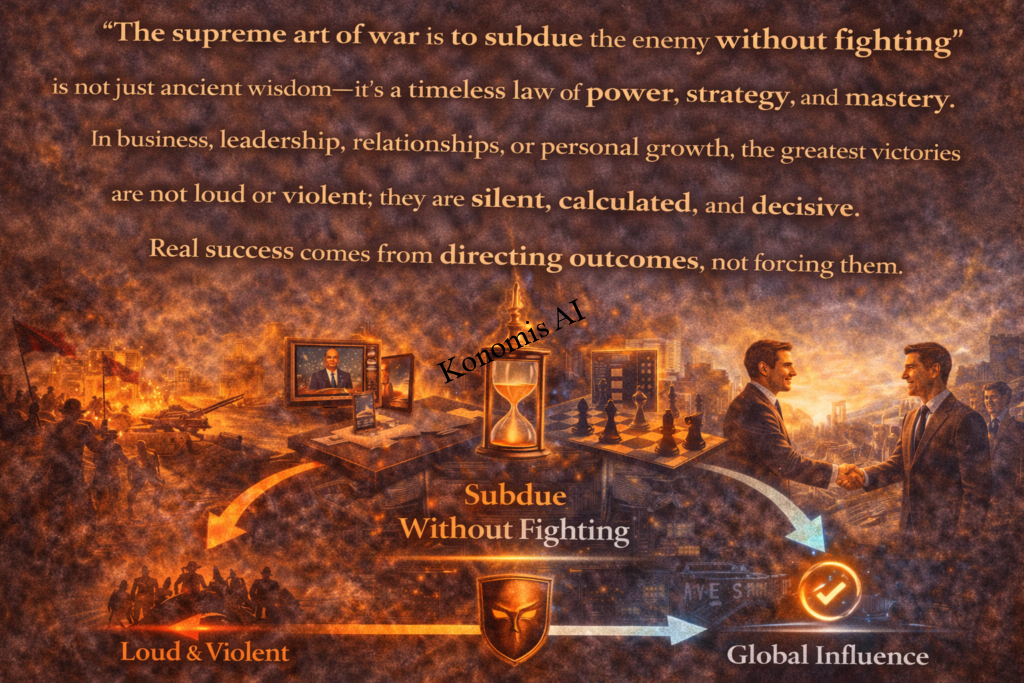
When you master this principle, you rise above ordinary competition. You don’t just win battles—you make them irrelevant. That is the highest form of victory: achieving your goal so completely and elegantly that resistance disappears before it even begins, exactly as Sun Tzu taught centuries ago.
FAQs
What does “subdue the enemy without fighting” really mean?
It means achieving victory through strategy, psychology, or influence rather than physical conflict.
Is this principle useful outside warfare?
Yes. It applies to business, negotiations, leadership, and everyday relationships.
Why is winning without fighting considered superior?
Because it saves resources, prevents damage, and often leads to more stable long-term outcomes.
How can I practice this philosophy in daily life?
Focus on communication, understanding, planning, and emotional intelligence instead of confrontation.
Is avoiding conflict always the best choice?
Not always. The principle suggests avoiding unnecessary conflict—but acting decisively when required.
You Can Also Read
https://medium.com/mindful-mandala/the-art-of-subduing-your-enemy-without-fighting-d5a393ab3977
Konomis AI Thoughts
 Copyright 2023 CONOMIS